PMI Foam Core
Rigid, closed-cell structural foam for high-performance sandwich composite contexts.
Discuss this formPMI foam catalogue
Compare PMI Foam Core, Polymethacrylimide, mold-foamed forms, specialty directions, and CNC-prepared core geometry through the material and process route that best fits the component.
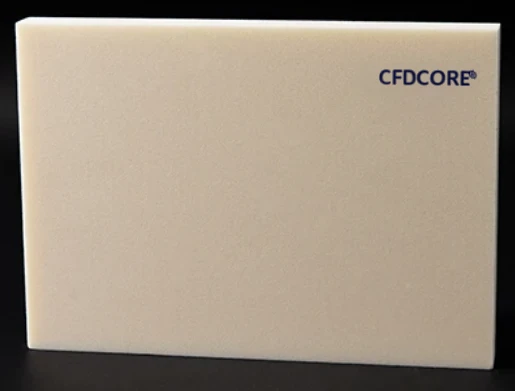
Product index / material evidence
Rigid, closed-cell structural foam for high-performance sandwich composite contexts.
Discuss this formR-52, R-75 and R-110 typical reference entries with clear data boundaries.
Discuss this formF-30 to F-110 reference entries, including the documented 190°C heat-deflection field.
Discuss this formX-30 to X-350 typical reference entries for a wider density and property discussion.
Discuss this formPMI material family for high-performance structural core selection.
Discuss this formA complex-geometry and integrated-feature direction from the company product range.
Discuss this formA sustainability-oriented PMI direction for project-specific material discussion.
Discuss this formFlat stock prepared for tailored machining and downstream composite processing.
Discuss this formGeometry prepared from supplied drawings and models.
Discuss this formFeature-led core preparation for forming and assembly requirements.
Discuss this formComplex profiles for lightweight composite component structures.
Discuss this formTechnical product framework
| Structural form | Rigid closed-cell core |
|---|---|
| Composite context | Sandwich composite structures |
| Preparation routes | CNC, hot-pressing, bonding |
| Process context | Autoclave, vacuum, RTM families |
Selection note
Start with component, process route, and geometry—not only a material label.
Confirm grade, density, curing conditions, and design requirements against the specific project before material release. Technical values must be interpreted within the appropriate process and part context.
Technical action surface
Start a focused discussion with PMI core type, intended component, composite process, and available drawing format.
Product form gallery
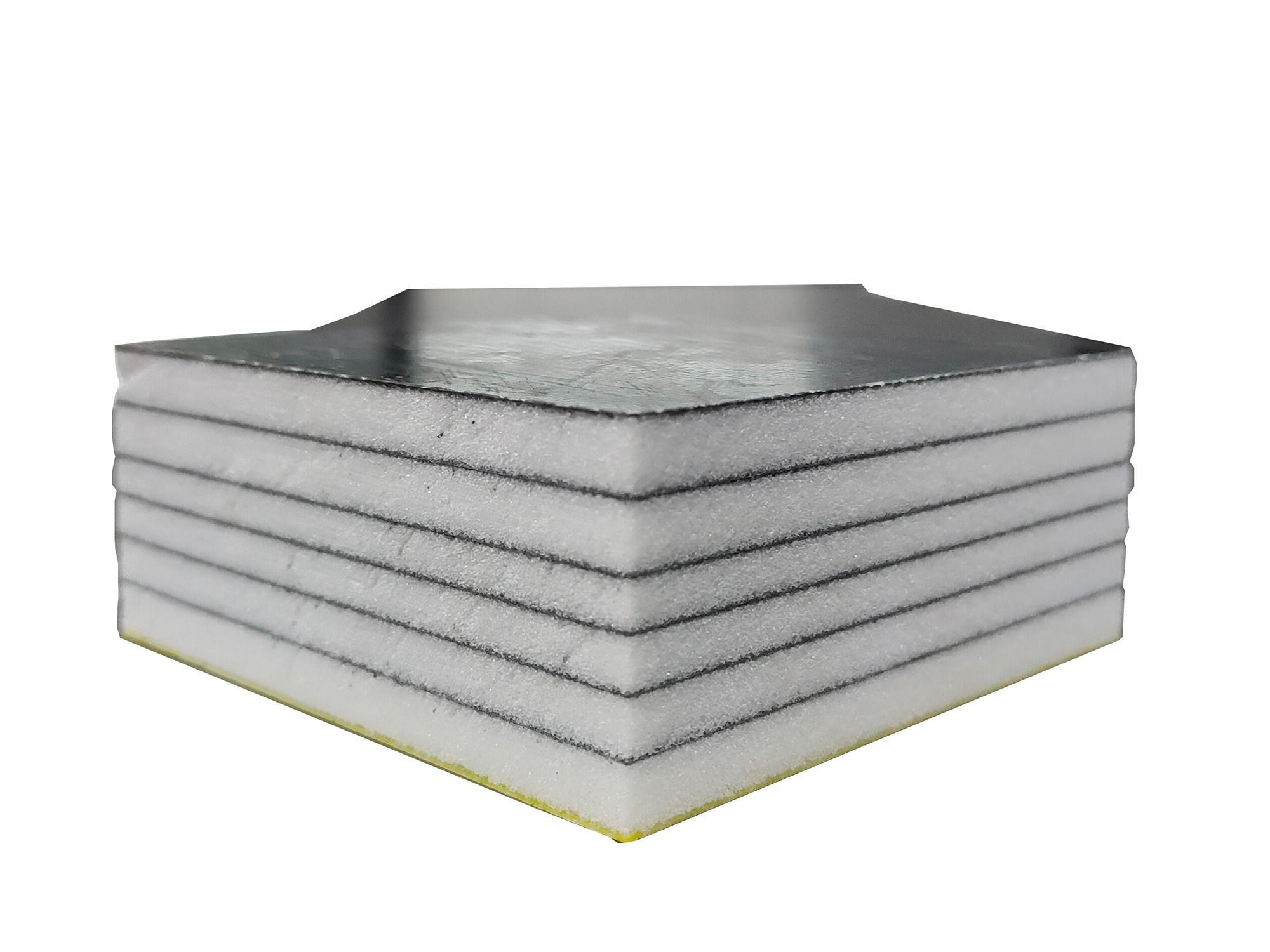
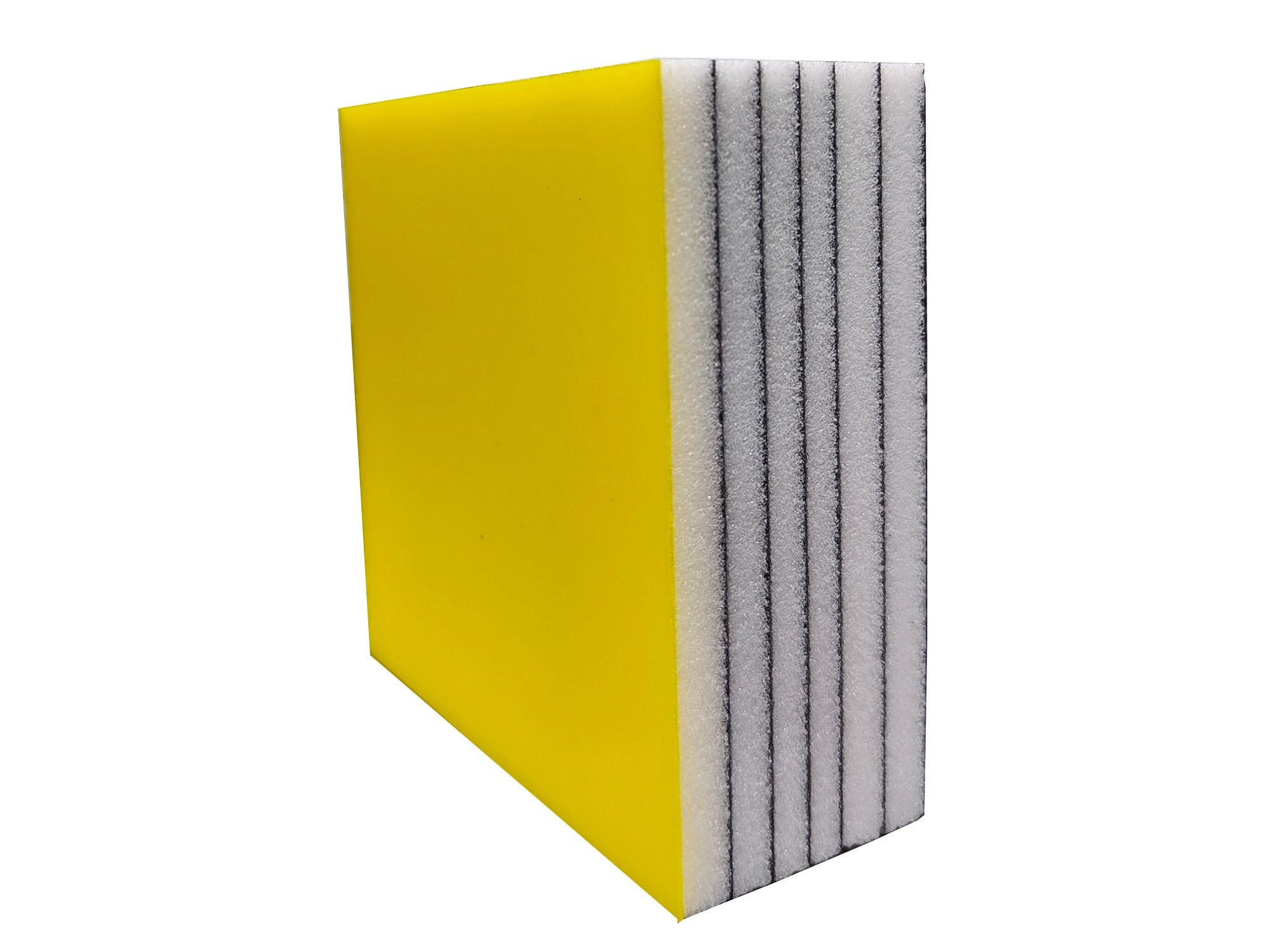
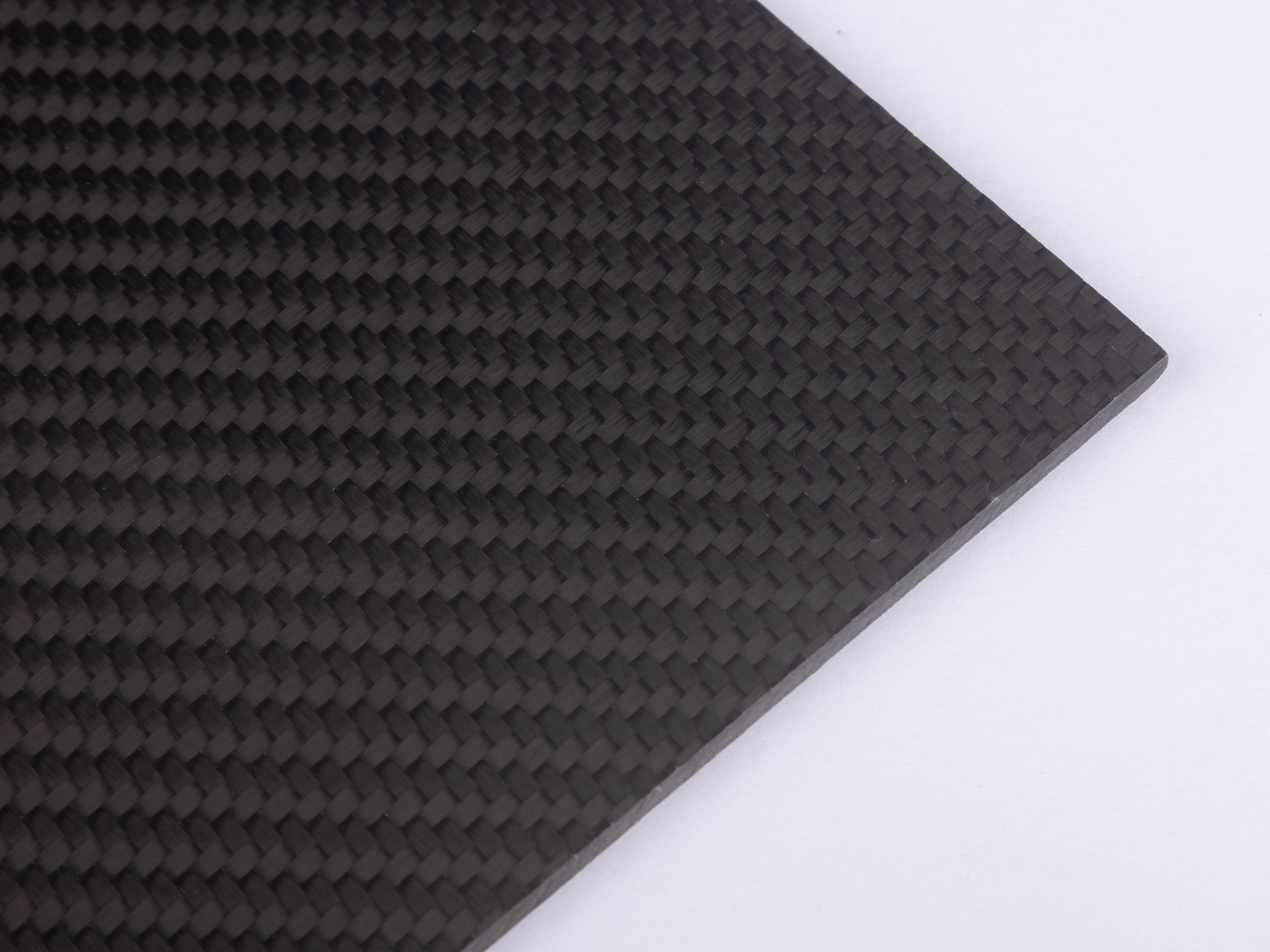
The photographs help distinguish blocks, sheets, prepared forms, contoured pieces and sandwich-core context. Series-level data and imagery remain reference context until the actual grade, part, dimensions and documentation are confirmed.
Catalog decision record
Use the product index as a structured conversation—not a generic parts list. The record below identifies the minimum engineering inputs before a project-specific grade review.
Product preparation evidence
The product family should be read with the component thickness, form, interfaces and intended preparation route in view. These photographs show representative prepared shapes rather than a guarantee of universal dimensions, capability or product configuration.
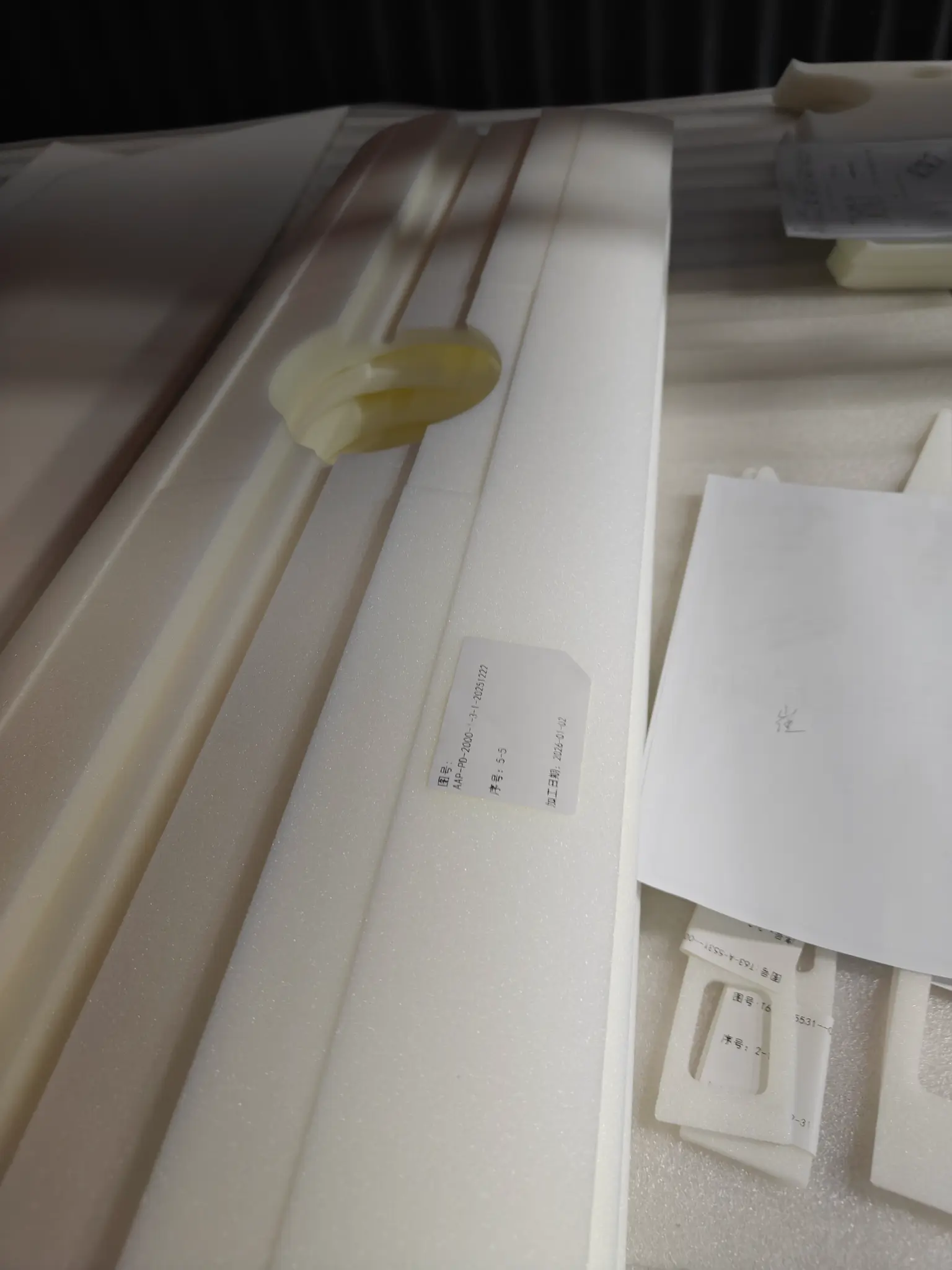
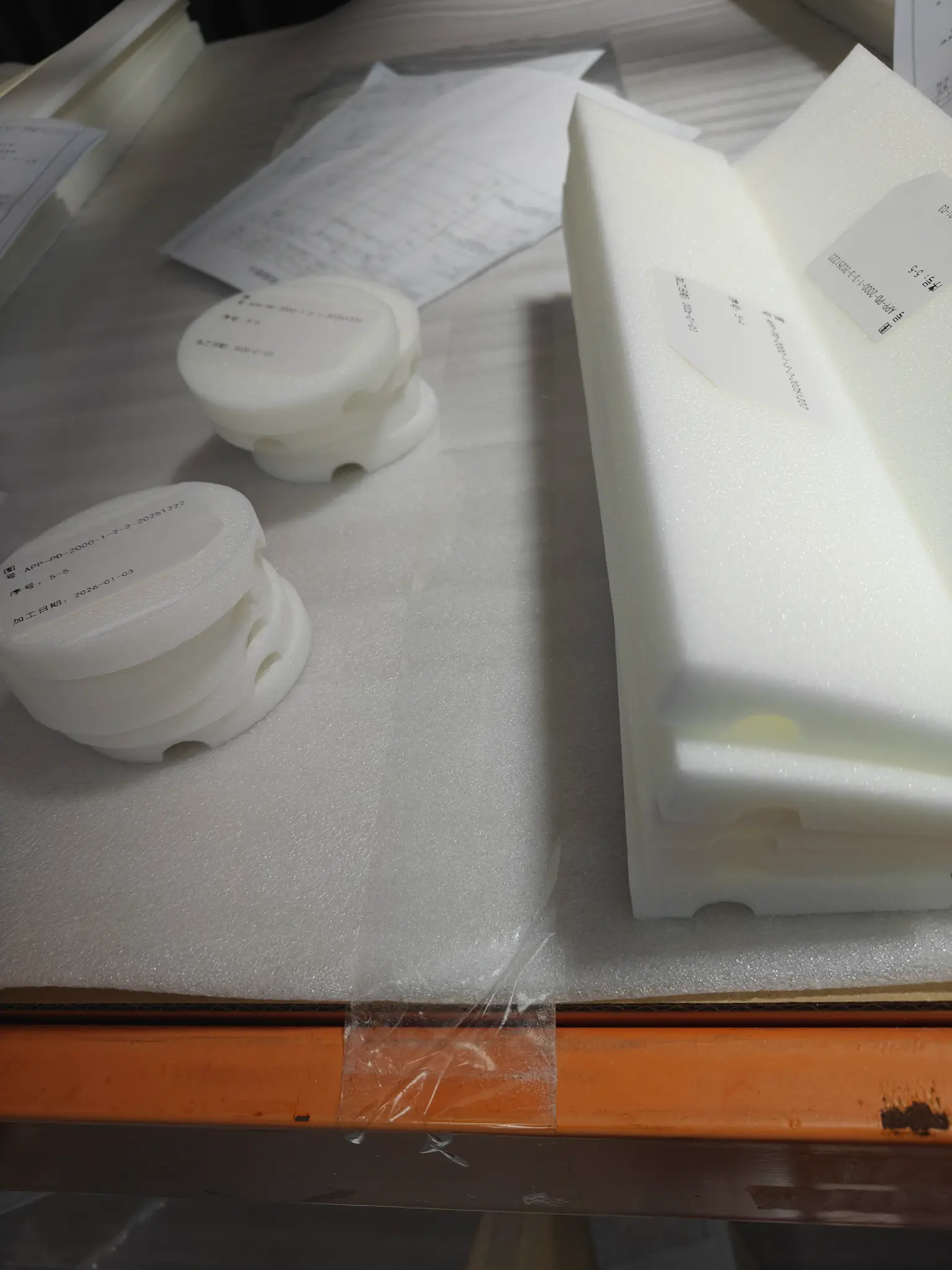
Each image is presented as project context, with the scope of material data, geometry, inspection and commercial commitments kept separate until they are confirmed for the actual order.
Read technical data