
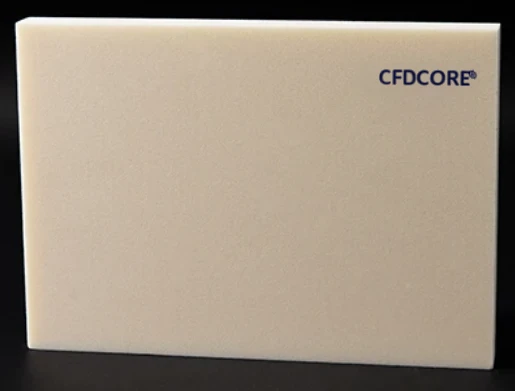
X-30 to X-350 documented range
Density and property comparison boundary
Machined or sandwich-core geometry
Grade-specific technical-data request
X Series / user-provided reference document typical values
Typical entries, with the source boundary intact.
| Grade | Density kg/m³ | Comp. MPa | Comp. mod. MPa | Tensile MPa | Tensile mod. MPa | Shear MPa | Shear mod. MPa | HDT °C | Pore mm | Ref. stock size mm |
|---|---|---|---|---|---|---|---|---|---|---|
| X-30 | 30 | 0.4 | 20 | 0.9 | 37 | 0.45 | 14 | 180 | 0.2–0.4 | ≥2500×1250×95 |
| X-52 | 52 | 0.9 | 50 | 1.5 | 72 | 0.92 | 21 | 180 | 0.2–0.4 | ≥2500×1250×90 |
| X-75 | 75 | 1.5 | 75 | 2.8 | 105 | 1.4 | 35 | 180 | 0.2–0.4 | ≥2500×1250×105 |
| X-110 | 110 | 3.0 | 130 | 4.0 | 180 | 2.4 | 60 | 180 | 0.2–0.4 | ≥2500×1250×90 |
| X-200 | 200 | 9.0 | 300 | 7.0 | 430 | 5.0 | 145 | 180 | 0.05–0.2 | ≥800×900×45 |
| X-250 | 250 | 13 | 550 | 11 | 650 | 7.0 | 180 | 180 | 0.05–0.2 | ≥800×800×40 |
| X-350 | 350 | 21 | 780 | 15 | 840 | 10 | 300 | 180 | 0.05–0.2 | ≥800×800×40 |
Reference document heat deflection temperature: 180°C. Values are series-level reference data and must not be extended to unlisted grades or finished parts. Preserve the named grade, source document and test basis when requesting confirmation; do not treat this table as a supply guarantee, final part result or design release.
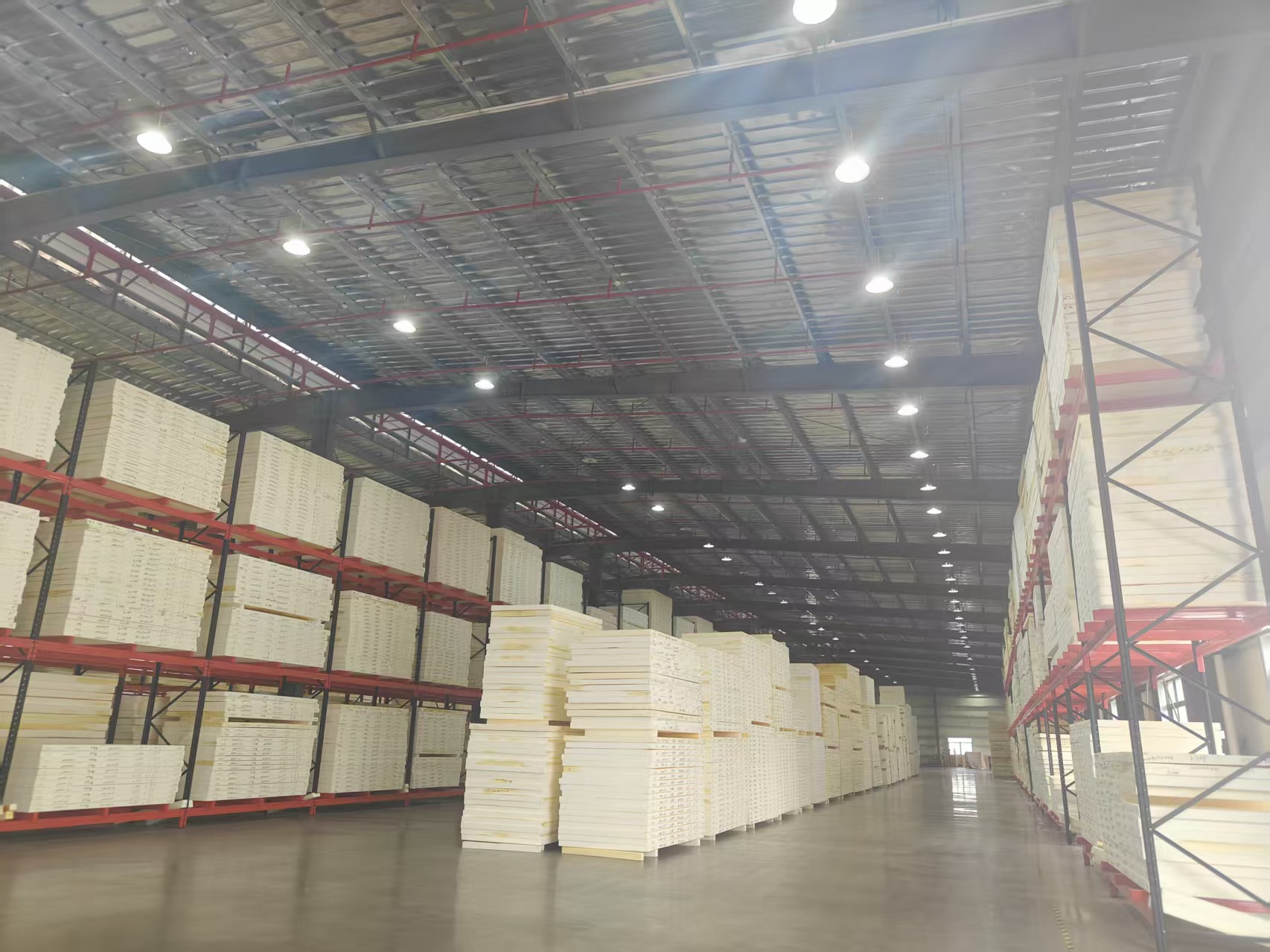
Compare listed X Series entries on the same source basis
The user-provided table supplies typical fields for named X Series entries only. Do not interpolate unlisted grades, combine values from other series, or turn a higher density label into automatic approval for a particular load case. The comparison should stay tied to the table, the candidate component and the project’s required evidence.
Use geometry to determine what a density discussion means
A flat panel, contoured core, local insert zone or CNC-prepared structure may make different demands on thickness, interfaces, support and inspection. Describe the finished geometry, skins or assembly context and any features that affect machining or handling before requesting a series recommendation.
Move from reference values to a project-controlled request
An X Series enquiry should state the requested grade or range, material form, dimensions, process context, quantity and required documentation. Values on this page are not guarantees, certified results or design allowables; they are a traceable reference starting point for the next technical discussion.
Related questions
Questions that make the next engineering conversation more useful.
01Can X-30 through X-350 values be used as universal design allowables?
No. They are typical values from a user-provided reference document. Confirm material-specific evidence and validation for the actual geometry, loading and environment.
02Why is CAD important for an X Series request?
The drawing explains thickness, features, interfaces, contour and inspection context, all of which affect how a series-level material request should be reviewed.