
R-52, R-75 and R-110 typical entries
Reference data versus project release
Core form, thickness and geometry
Documentation-led technical RFQ
R Series / user-provided reference document typical values
Typical entries, with the source boundary intact.
| Grade | Density kg/m³ | Comp. MPa | Comp. mod. MPa | Tensile MPa | Tensile mod. MPa | Shear MPa | Shear mod. MPa | HDT °C | Pore mm | Ref. stock size mm |
|---|---|---|---|---|---|---|---|---|---|---|
| R-52 | 52 | 0.9 | 45 | 1.5 | 54 | 0.8 | 20 | 180 | 0.2–0.4 | ≥2500×1250×80 |
| R-75 | 75 | 1.5 | 85 | 3.0 | 90 | 1.4 | 33 | 180 | <0.1 | ≥2500×1250×70 |
| R-110 | 110 | 3.0 | 150 | 4.0 | 170 | 2.4 | 60 | 180 | 0.2–0.4 | ≥2500×1250×60 |
Reference document heat deflection temperature: 180°C. Typical values only; not a guarantee, process approval or design allowable. Preserve the named grade, source document and test basis when requesting confirmation; do not treat this table as a supply guarantee, final part result or design release.
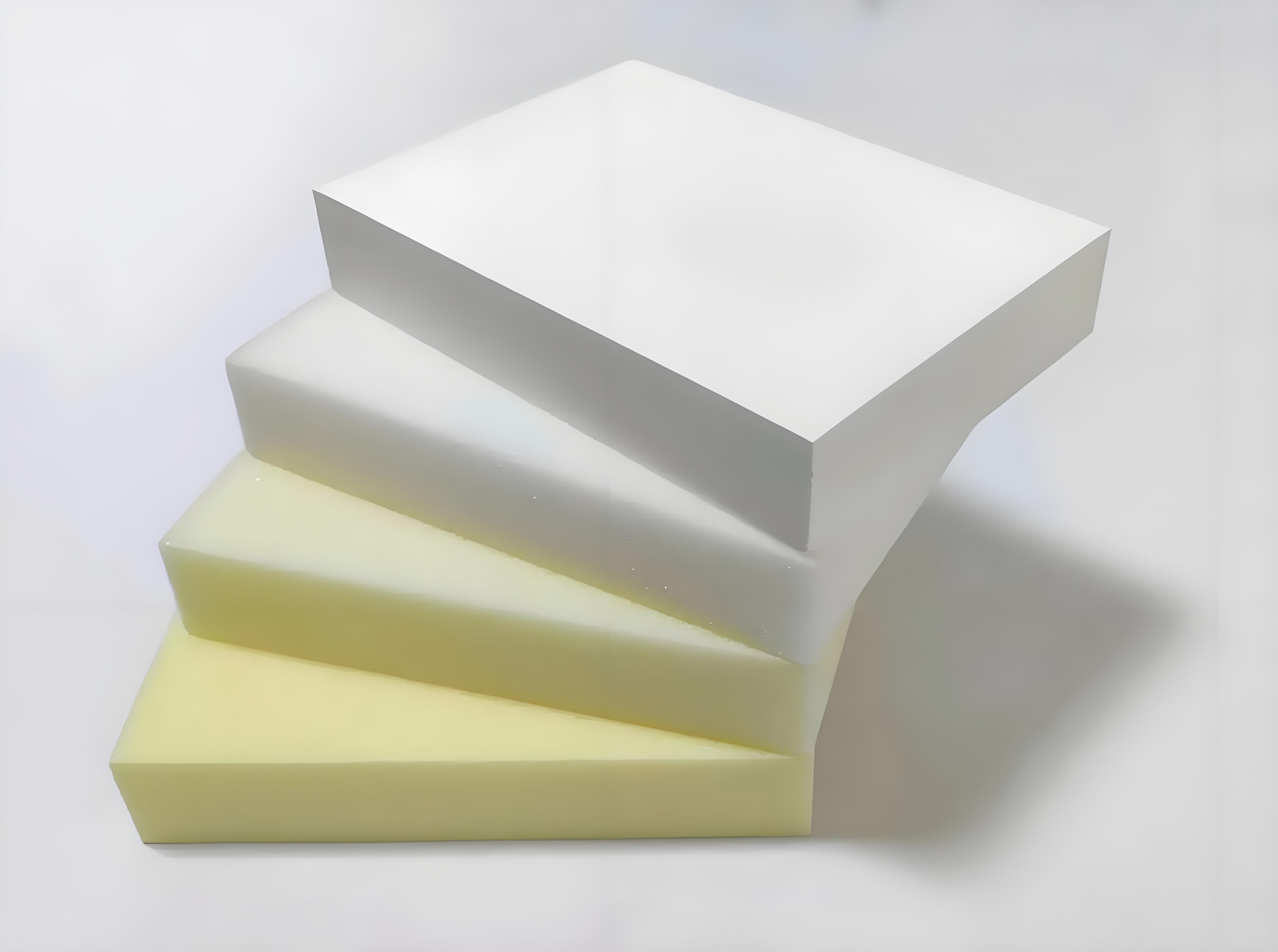
Read each R Series grade as its own documented entry
The reference document lists R-52, R-75 and R-110 with distinct density, mechanical, thermal, pore-diameter and dimensional fields. Compare the entries on the same documented basis, not as a universal hierarchy. The proper next step is to connect the candidate grade to the actual core form, component geometry, sandwich construction and validation question.
Keep the table connected to the finished component
A typical material value does not define a flat panel, curved shell, machined detail or bonded assembly. State the finished thickness, interfaces, drawing-controlled features, process route and the information that requires confirmation. Current grade documentation and project acceptance criteria remain necessary before release.
Use a controlled RFQ to confirm the material route
Provide the intended R Series grade, dimensions, quantity, CAD or drawing, core form, process context and requested evidence. This lets the technical review separate reference-table information from order-specific material confirmation, inspection planning and commercial scope.
Related questions
Questions that make the next engineering conversation more useful.
01Are R-52, R-75 and R-110 table values guaranteed supply properties?
No. They are typical values from the user-provided reference document. Confirm the applicable datasheet, material form, test basis and project acceptance criteria for the actual order.
02Can the R Series table be used as a complete structural design input?
No. It supports preliminary screening only. Structural release requires appropriate project data, geometry, loading, temperature, construction and validation evidence.