Representative component challenge
Material and geometry questions
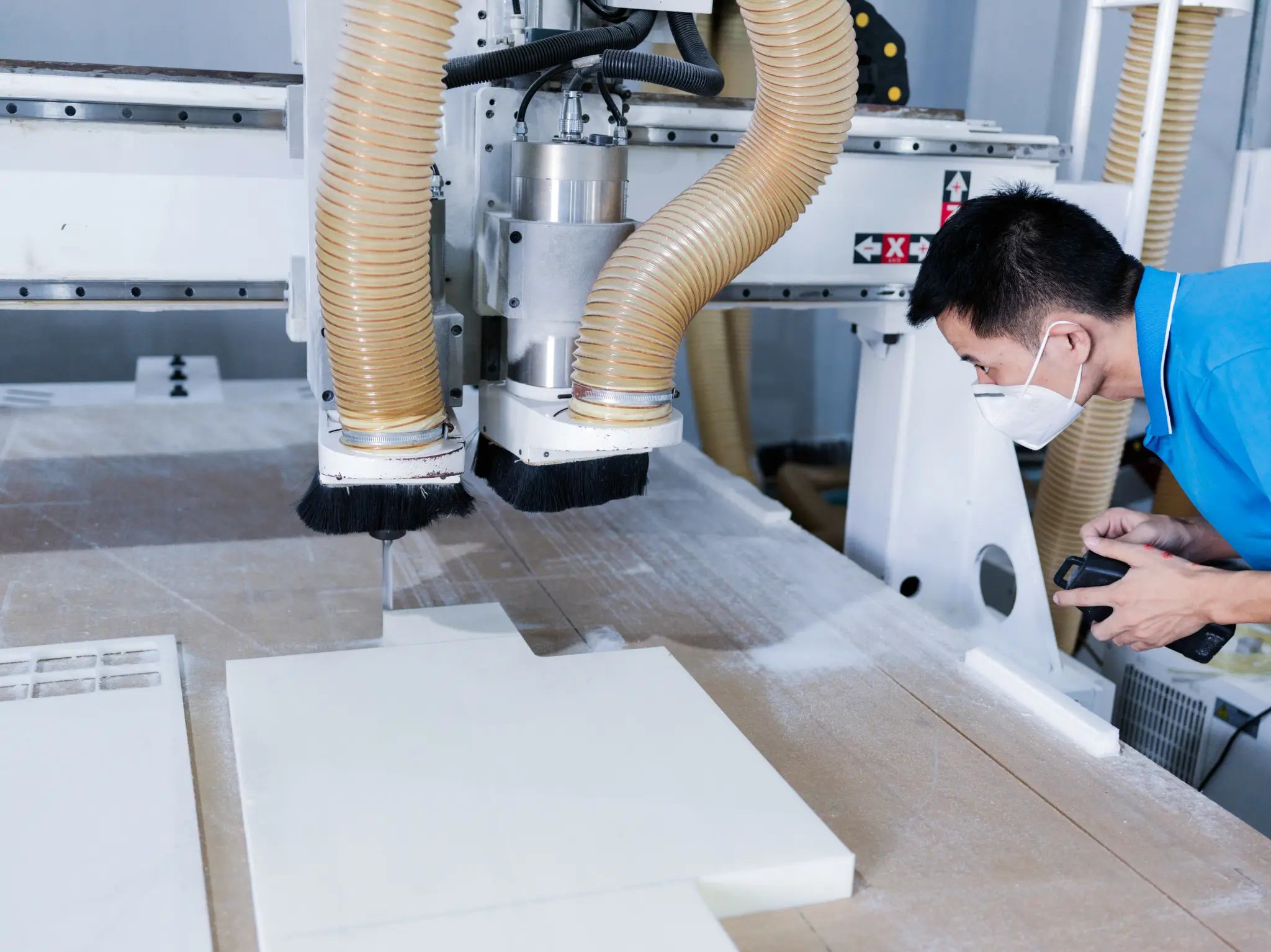
CNC and composite workflow
Project-specific RFQ inputs
Engineering record
Component context
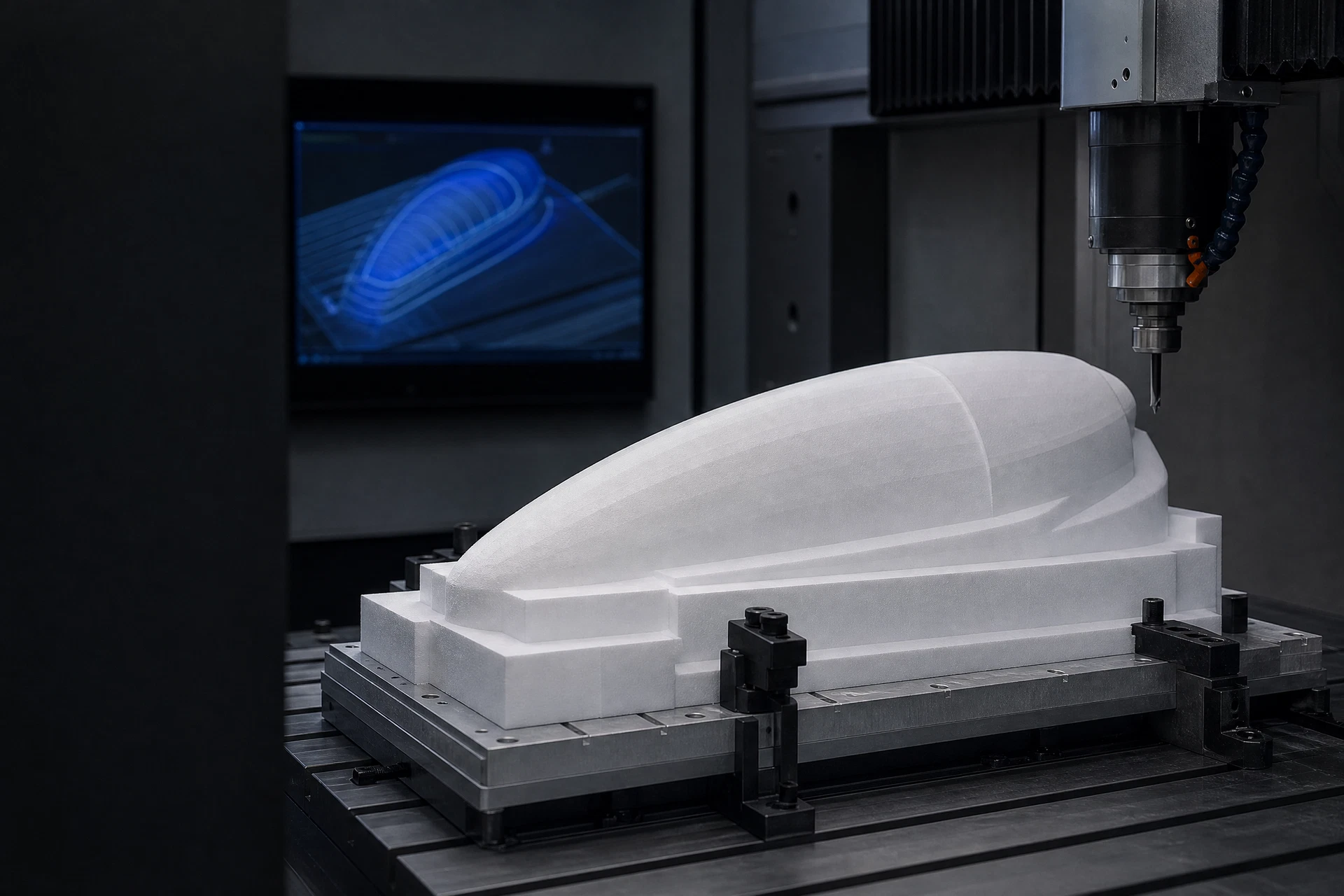
Core & geometry
Process & review
Typical engineering challenge
The case structure starts with the component objective, its geometry, the required core preparation, and the manufacturing steps that may follow. It does not assert customer, country, test, certification, or project-performance data.
Useful project inputs
A drawing, component context, intended processing route, material preference if known, and inspection requirements help convert a typical application into a project-specific technical review.
Typical complex-geometry case: make inspection references explicit
This Typical Application Case demonstrates how a complex core drawing can be reviewed for machining sequence, controlled surfaces, feature access, and inspection context. It does not represent a named customer project or guarantee a specific outcome.
Related questions
Questions that make the next engineering conversation more useful.
01How should typical application case be specified?
Start with the component, laminate concept, operating conditions, geometry, and manufacturing route. The applicable material grade and technical data should be confirmed against the specific project.
02Can a drawing be reviewed before a quotation?
Yes. STEP, STP, STL, DXF, DWG, PDF, and ZIP files can be submitted with an RFQ so the team can review the core form, machining scope, and information required for a project-specific response.