Customer problem and component context
Core form and material options
CNC and composite process planning
Quality and technical RFQ workflow
Engineering record
Component context
Core & geometry
Process & review
Engineering requirements
Clarify the intended component, geometry, manufacturing route, critical interfaces, and information needed to review feasible core forms. The product decision follows these project requirements.
A traceable workflow
A typical workflow aligns drawing input, core preparation, machining, composite process, inspection expectations, and delivery requirements. Final details are confirmed within the RFQ and technical documentation.
The customer problem is a geometry-and-process problem
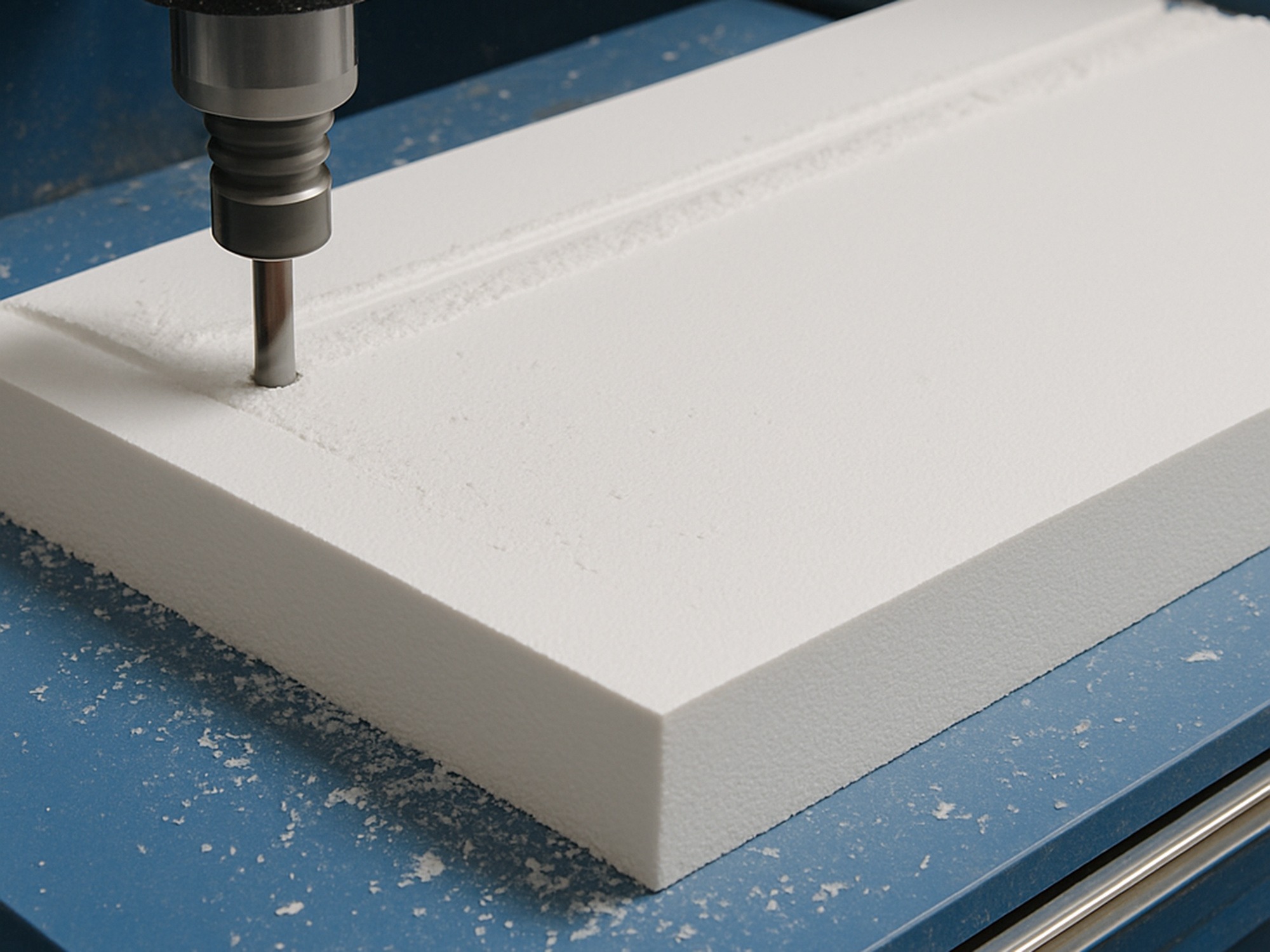
A custom CNC foam core enquiry is usually prompted by a part that cannot be described by a simple sheet size. The solution pathway connects a component drawing to core form, feature definition, machine preparation, inspection reference, and the composite process that follows.
Choose the material path after understanding the part
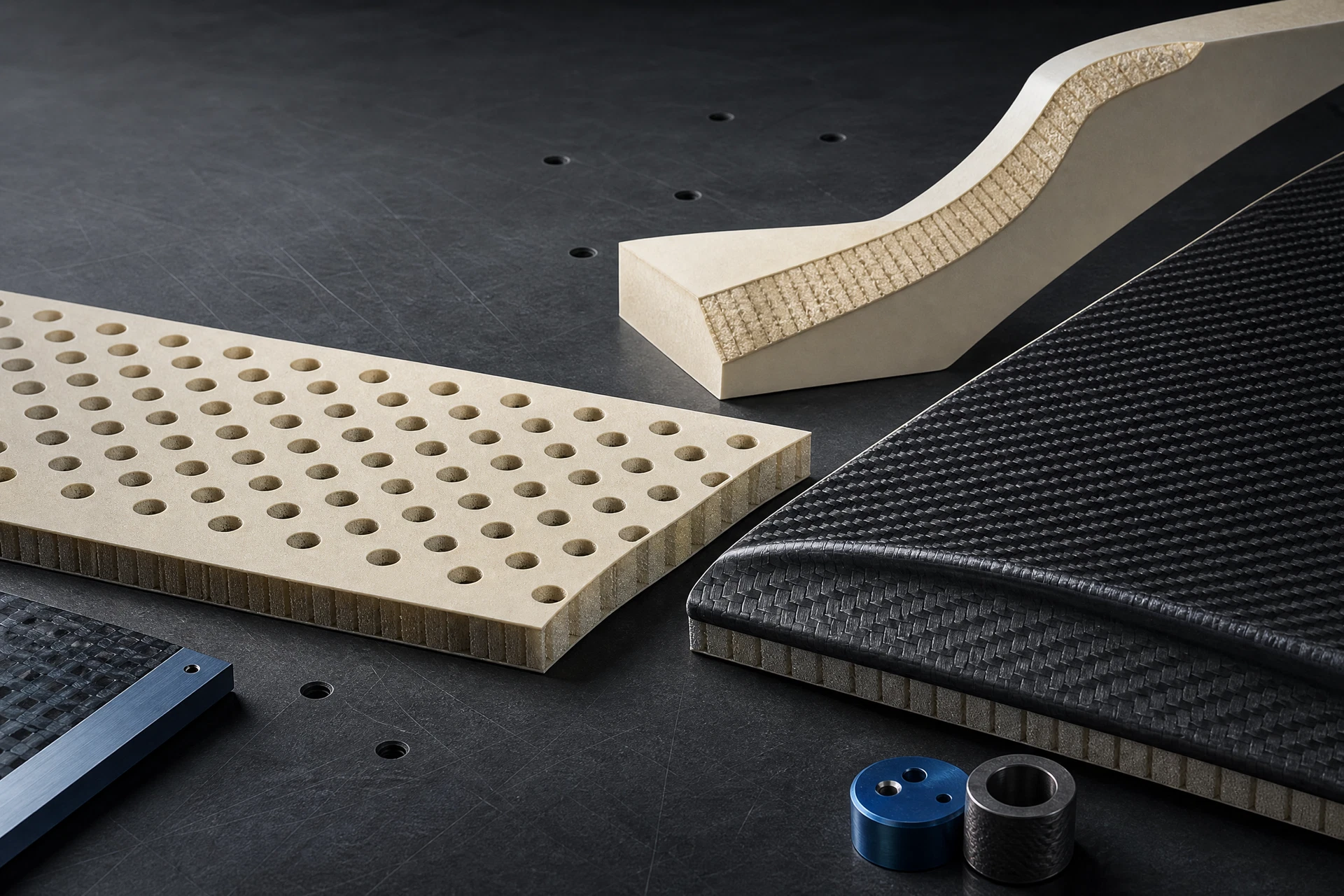
The selected PMI form, any density discussion, and thickness requirement need to be read together with the geometry. A technical review can identify whether the project points toward a sheet-based blank, a block, a custom core concept, or a formed pathway before manufacturing is scoped.
Separate design intent from manufacturing instruction
The drawing should make clear which surfaces or features define the component, which details are functional, and what information supports inspection. This makes it easier to plan machining and avoids treating a visual reference as a complete production specification.
Create a traceable RFQ workflow
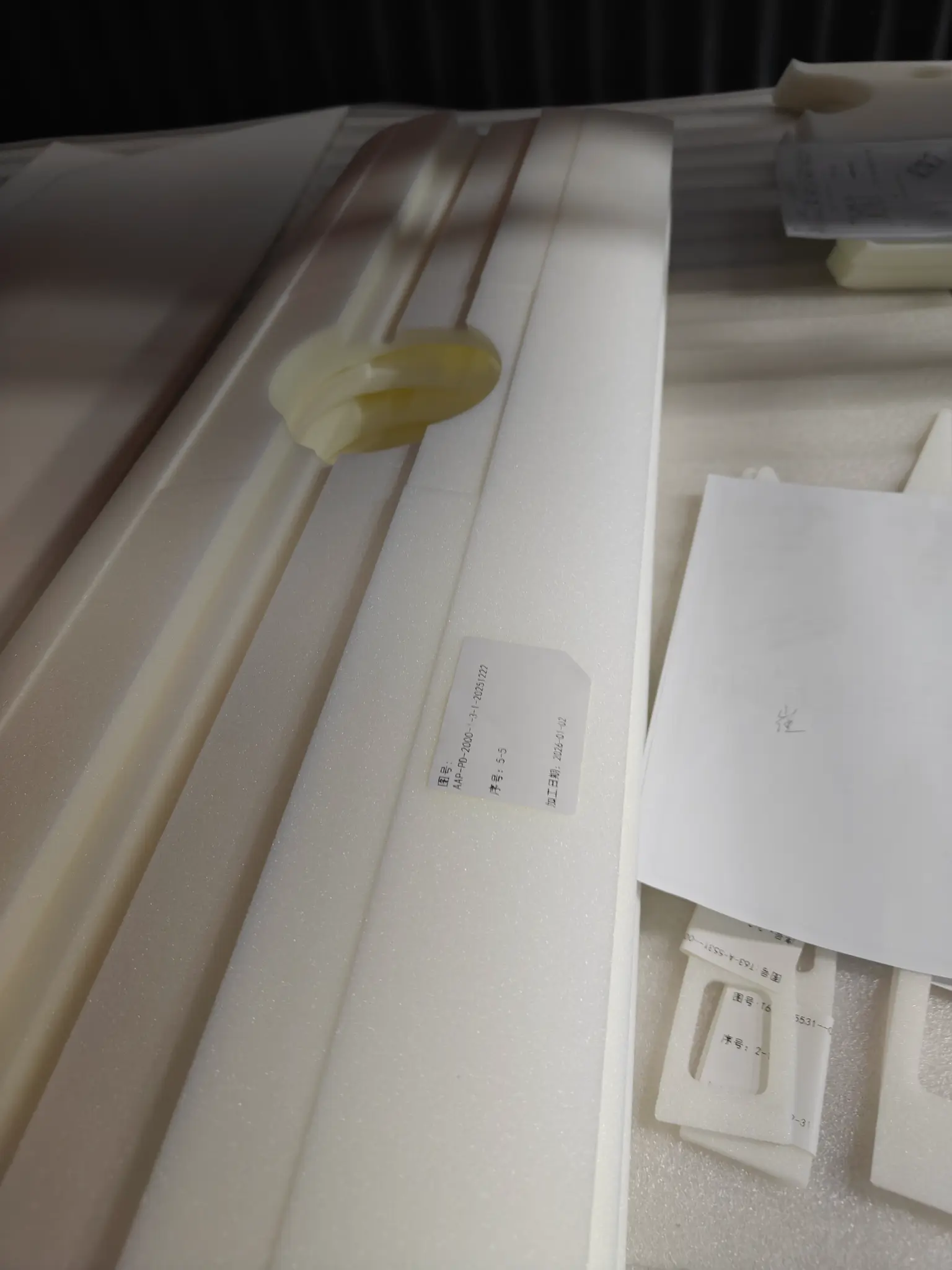
A strong custom-core RFQ records component use, files, material direction if known, machining requirements, composite process context, and questions that still need a decision. The workflow then supports a project-specific response rather than a generic catalogue quotation.
Related questions
Questions that make the next engineering conversation more useful.
01What is needed for a custom CNC foam core quotation?
Provide the component application, available STEP, STP, STL, DXF, DWG, or PDF files, material preferences if known, quantity context, required process, and the features or questions that matter to the part.
02Can a custom solution be quoted without a final material grade?
An early review can start without a final grade, but the applicable material selection and data must be confirmed before a final project decision or production release.
03How should custom cnc foam core solution be specified?
Start with the component, laminate concept, operating conditions, geometry, and manufacturing route. The applicable material grade and technical data should be confirmed against the specific project.
04Can a drawing be reviewed before a quotation?
Yes. STEP, STP, STL, DXF, DWG, PDF, and ZIP files can be submitted with an RFQ so the team can review the core form, machining scope, and information required for a project-specific response.