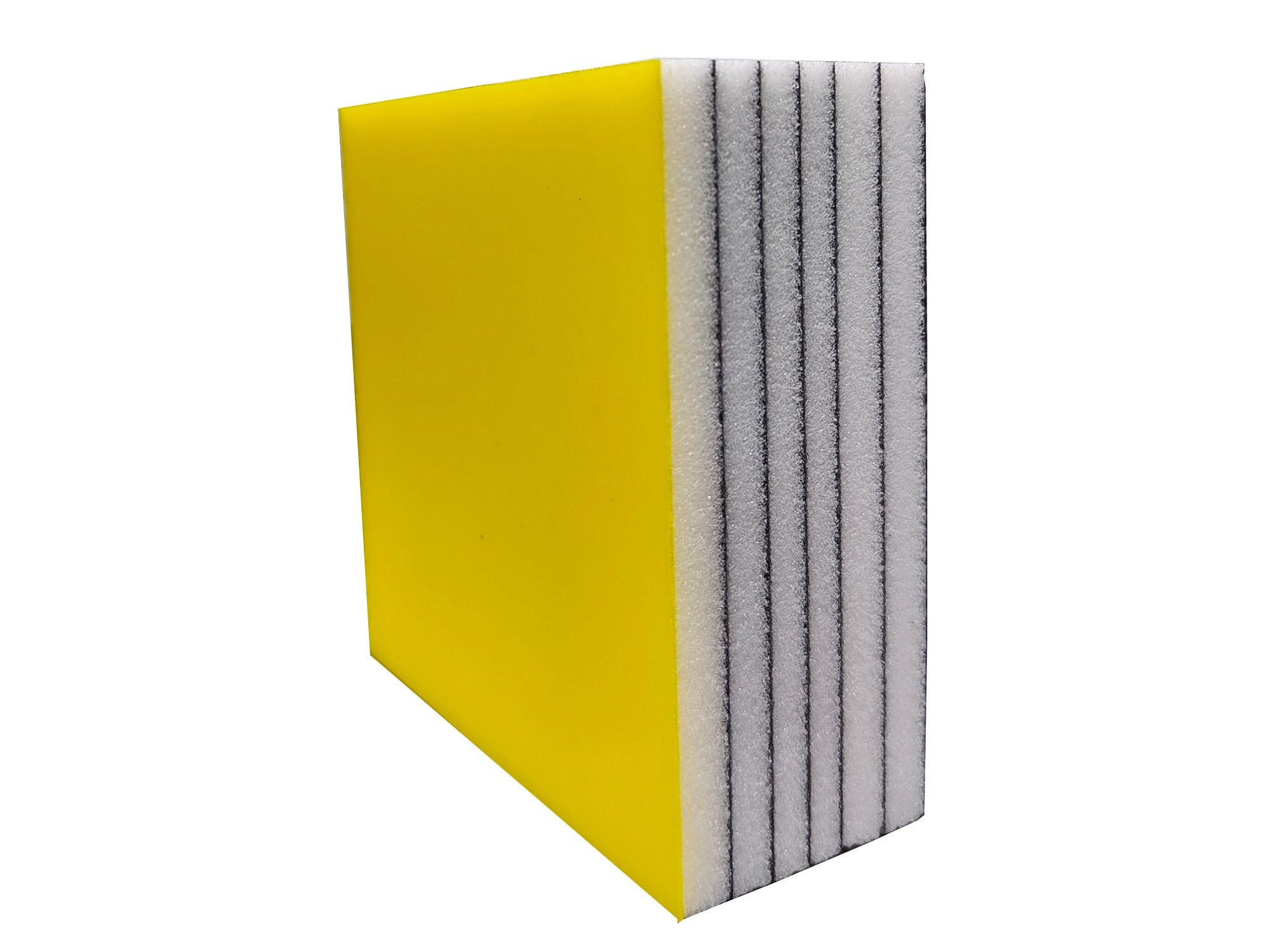
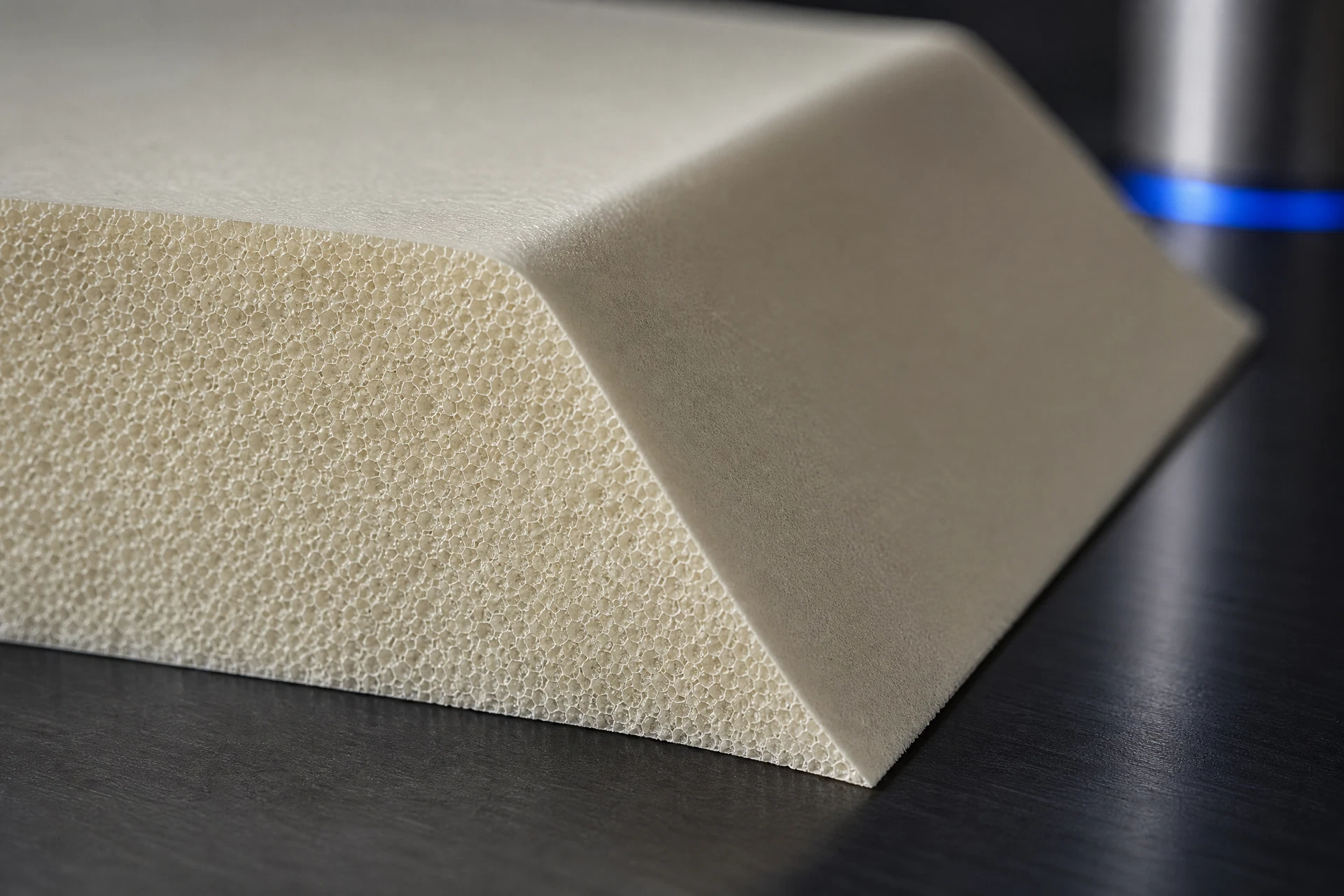
Component and sandwich construction
Grade-specific data and form
Geometry, machining, and process
Commercial and project context
Decision canvas
Compare project questions—not marketing claims.
Engineering record
Component context
Core & geometry
Process & review
Frame the comparison around verified decision criteria
Start by stating the actual component, core form, thickness direction, geometry, skin or laminate context, process route, available grade documentation, and relevant project constraints. This gives the comparison a technical basis and makes the result useful for an engineering review.
Do not infer universal material performance
Mechanical, thermal, dielectric, processing, cost, availability, and handling outcomes must be established for the actual grades and project. This comparison page supports the question set but does not publish unverified values or claim that one material family is universally better.
Use a comparison to frame a decision, not to declare a winner
PMI and PVC are material-family terms used in different composite core conversations. A responsible comparison begins with the component, sandwich construction, geometry, process, technical documentation and commercial context. The appropriate option is determined by verified grade-level data and the actual part requirements; no generic website can establish an automatic substitution or equivalence.
Compare form, density and documentation at the grade level
Density may be a useful early input, but a density label does not fully describe either material. The proposed form, thickness, geometry, relevant performance questions, data availability and process route all need to be reviewed against the applicable datasheet. Where values are needed, the correct response is to obtain the grade-specific documentation rather than copy a broad comparison table.
Review process and manufacturing context
The laminate system, cure or infusion route, tooling, bonding, core preparation, machining and handling sequence can all shape a material decision. A comparison becomes useful when it helps a team ask the right manufacturing questions: what must the core do in the component, what shape must it hold, and what documentation is required before release?
Evaluate geometry and machining as part of the choice
A flat panel, a shaped shell and a featured internal part can call for different starting forms and preparation routes. CNC machining, thermoforming, edge treatment, local features and downstream assembly should be discussed from the drawing. The comparison is therefore linked to geometry and workflow, not only to a material name.
Keep cost and procurement questions project-specific
Cost consideration should account for the component, form, machining or preparation scope, documentation needs, quantities, packing and delivery context. This page does not publish price, MOQ or lead-time claims. A scoped RFQ is the appropriate route for a commercial discussion after the technical direction is clear.
Use a decision brief before requesting a comparison quote
State the component and application, existing core reference if any, drawing or dimensions, laminate and process context, key geometry, data requirements, quantity context and the question behind the comparison. This turns a broad material search into a project-ready technical review.
Related questions
Questions that make the next engineering conversation more useful.
01Is PMI foam always better than PVC foam?
No. The appropriate material follows the component, selected grades, geometry, manufacturing route, verified documentation and project requirements. A comparison should frame those criteria rather than make a universal claim.
02How should density be compared between PMI and PVC?
Compare the actual grades and applicable datasheets in the context of the component. Density alone does not establish mechanical, process or finished-part suitability.
03Can PMI and PVC cores be CNC machined?
Machining suitability should be assessed from the actual core form, feature geometry, drawing, process sequence and grade documentation. The RFQ can identify the features needing review.
04How does thickness affect a core comparison?
Thickness is part of the finished sandwich geometry and must be considered with skins, curvature, interfaces, material form and production requirements.
05Can a comparison page provide autoclave guidance?
Processing questions need the intended laminate route and the relevant grade documentation. This page provides a decision framework, not universal process approval.
06What information is needed for a PMI versus PVC evaluation?
Provide the component, current reference material if any, drawings, form and thickness context, process route, documentation needs, quantity and engineering questions.
07Does this comparison include pricing?
No. Price, MOQ, delivery and preparation scope are project-specific commercial items that should be requested after the technical brief is defined.
08Where can I request a grade-specific datasheet?
Use the PMI datasheet request page or the technical RFQ and identify the proposed grade direction, component and process so the correct documentation can be discussed.
09How should pmi foam vs pvc foam be specified?
Start with the component, laminate concept, operating conditions, geometry, and manufacturing route. The applicable material grade and technical data should be confirmed against the specific project.
10Can a drawing be reviewed before a quotation?
Yes. STEP, STP, STL, DXF, DWG, PDF, and ZIP files can be submitted with an RFQ so the team can review the core form, machining scope, and information required for a project-specific response.