
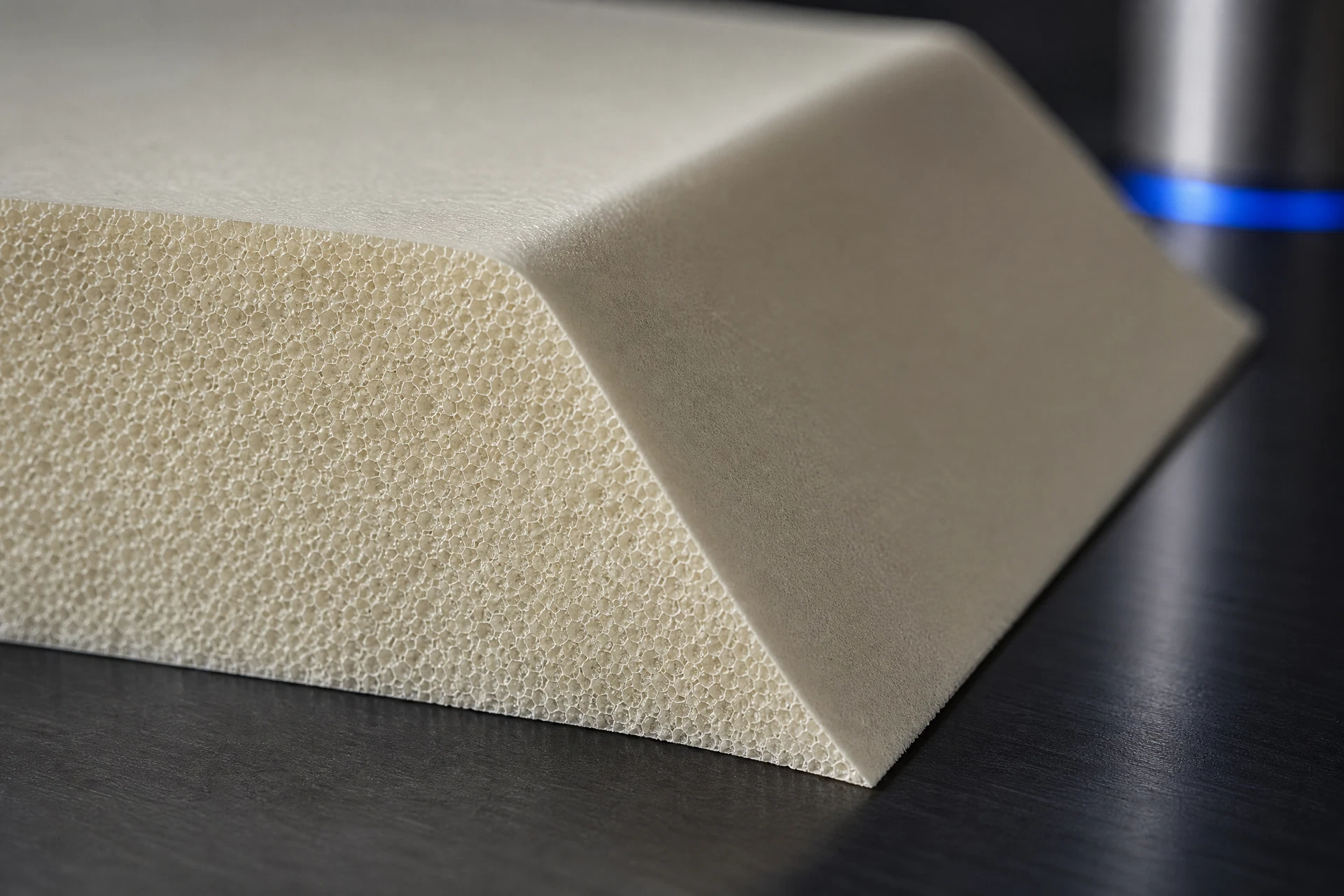
Specific engineering search intent
Drawing and geometry context
Process and handoff review
Controlled technical evidence
Engineering record
Component context
Core & geometry
Process & review
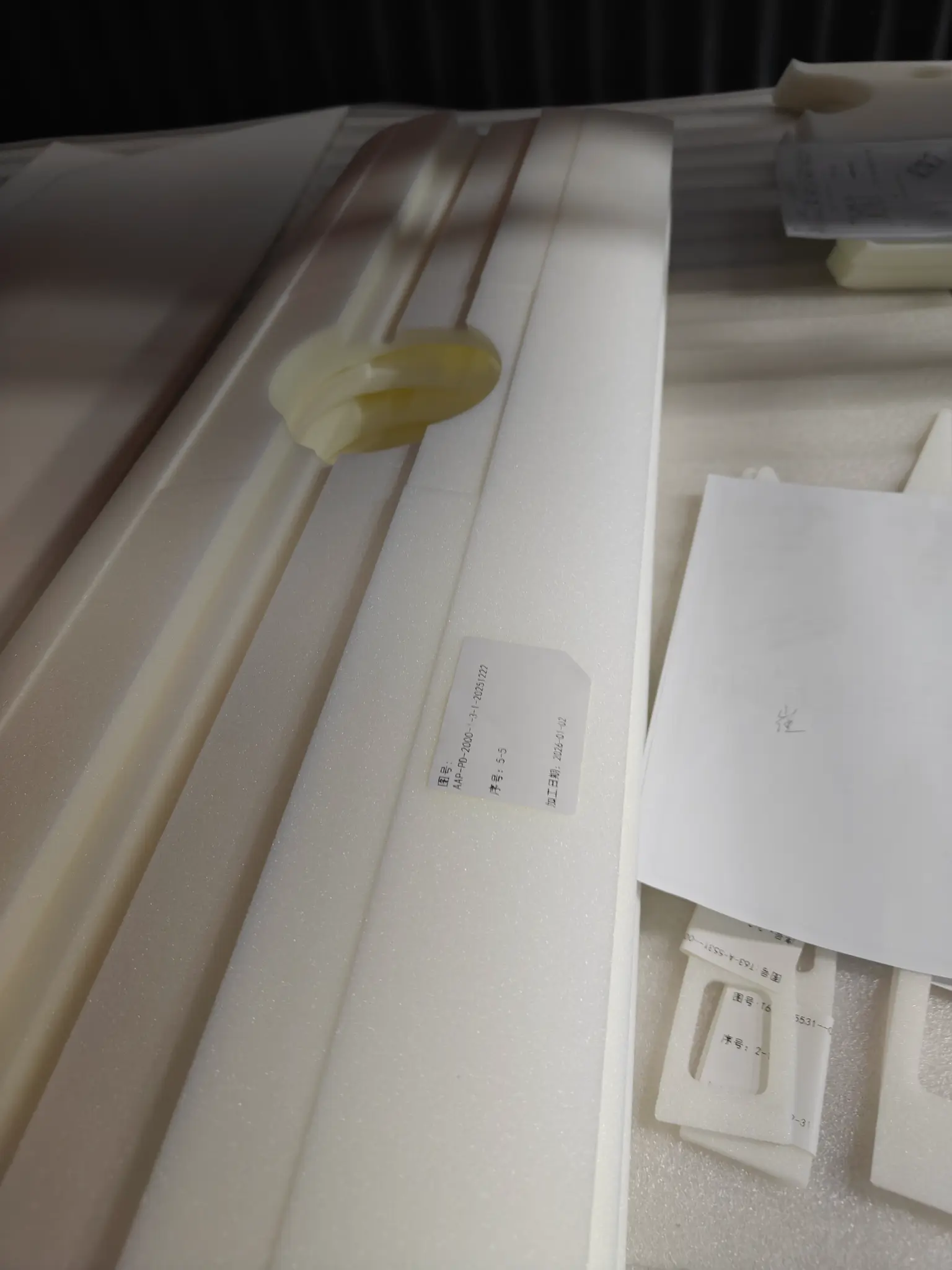
Define the engineering decision
The engineering decision is whether the proposed scored construction provides a controlled path from design intent to manufacture. Review should identify why scoring is required, where it begins and ends, how it interacts with curvature, joints, inserts, adhesive films, and laminate sequence, and which material grade or data set governs the evaluation. A decision should not rely on the feature name alone. It should record open drawing questions, process assumptions, requested evidence, and the verification activities needed before release or application-specific approval.
Translate the part into a controlled geometry brief
Drawing review should define the core envelope, score orientation, spacing or pattern logic, depth intent, termination zones, corner treatment, local transitions, and interfaces with adjacent materials. These features should be communicated through controlled views, sections, notes, and revision identifiers rather than inferred from a product label. If the design uses formed or contoured geometry, the drawing should show the required shape and any areas where scoring must remain uninterrupted. CoreMatrix Materials can help organize the geometry package for review, subject to project drawings and agreed technical inputs.
Connect the material question to the process route
A practical handoff begins with the current drawing, material designation, grade requirements, laminate schedule, forming or assembly route, and the intended inspection points. The review can then separate design questions from manufacturing questions: score definition, cutting or forming sequence, handling, bonding, closure, and measurement. Any proposed interpretation should be returned as a marked-up drawing, clarification record, or controlled revision. Before production use, the project team should confirm the process window and inspection method through representative trials or other agreed validation.
Keep technical evidence within its stated boundary
Evidence should be matched to the decision being made. Typical requests may include the applicable material data for the selected grade, score-feature definition, drawing interpretation, processing notes, inspection records, and results from representative project validation. This page does not establish fixed performance values, universal tolerances, certifications, chemical or RF behavior, availability, or delivery commitments. Those matters require current, project-specific documentation and, where relevant, test plans approved by the responsible engineering team. The validation boundary should be explicit in the design review record.
Related questions
Questions that make the next engineering conversation more useful.
01What information is needed to review a scored PMI foam core feature?
Start with the current drawing, intended material grade or selection basis, score pattern, core geometry, laminate and bonding context, manufacturing route, and required inspection points. Where information is incomplete, the review should document assumptions and identify the evidence or trial needed to close them.
02Does a scored PMI foam core feature establish project suitability by itself?
No. Scoring describes a design or processing feature, not a universal approval basis. Suitability depends on the approved geometry, material data, process route, surrounding construction, inspection approach, and project validation agreed by the responsible engineering team.