
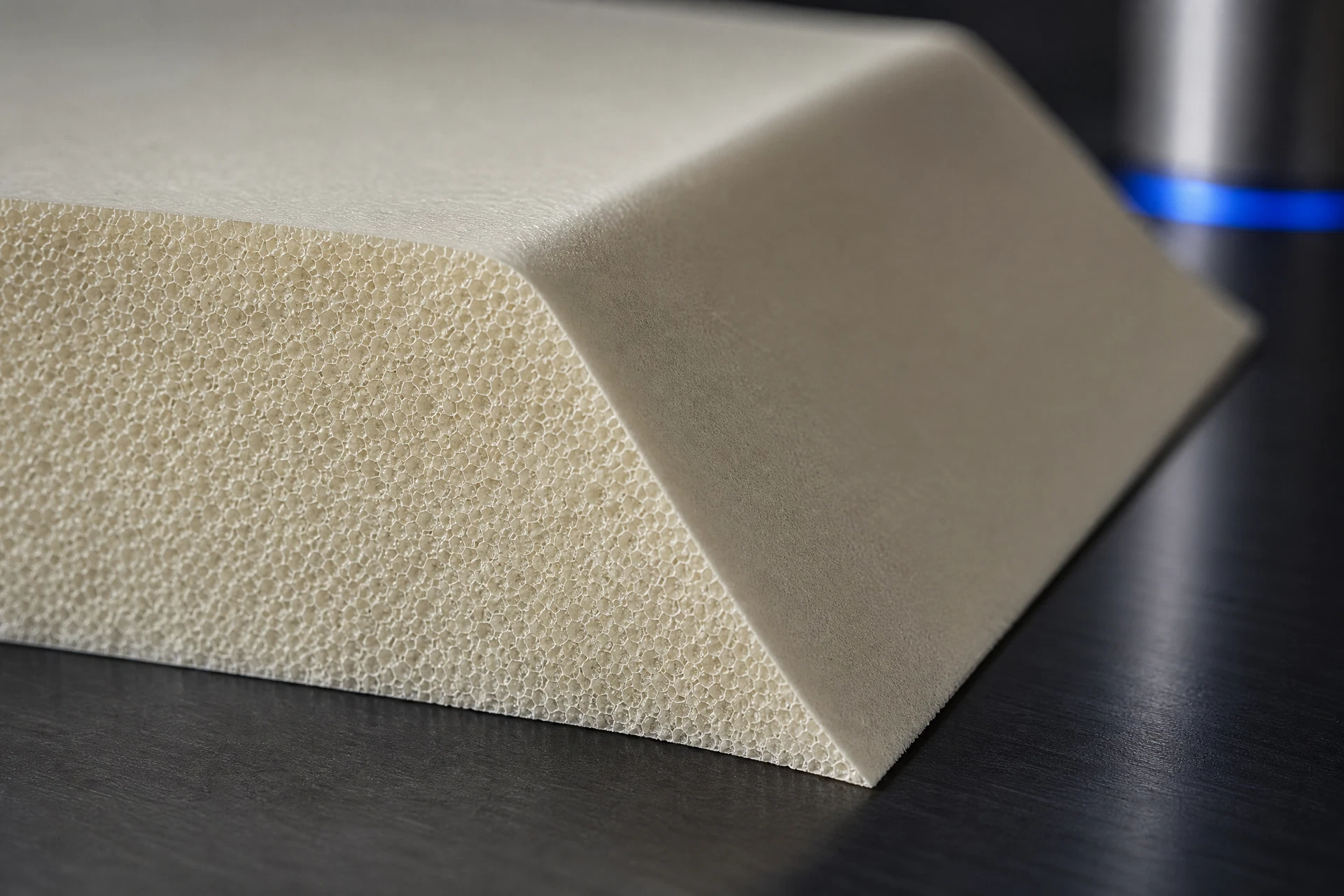
Specific engineering search intent
Drawing and geometry context
Process and handoff review
Controlled technical evidence
Engineering record
Component context
Core & geometry
Process & review
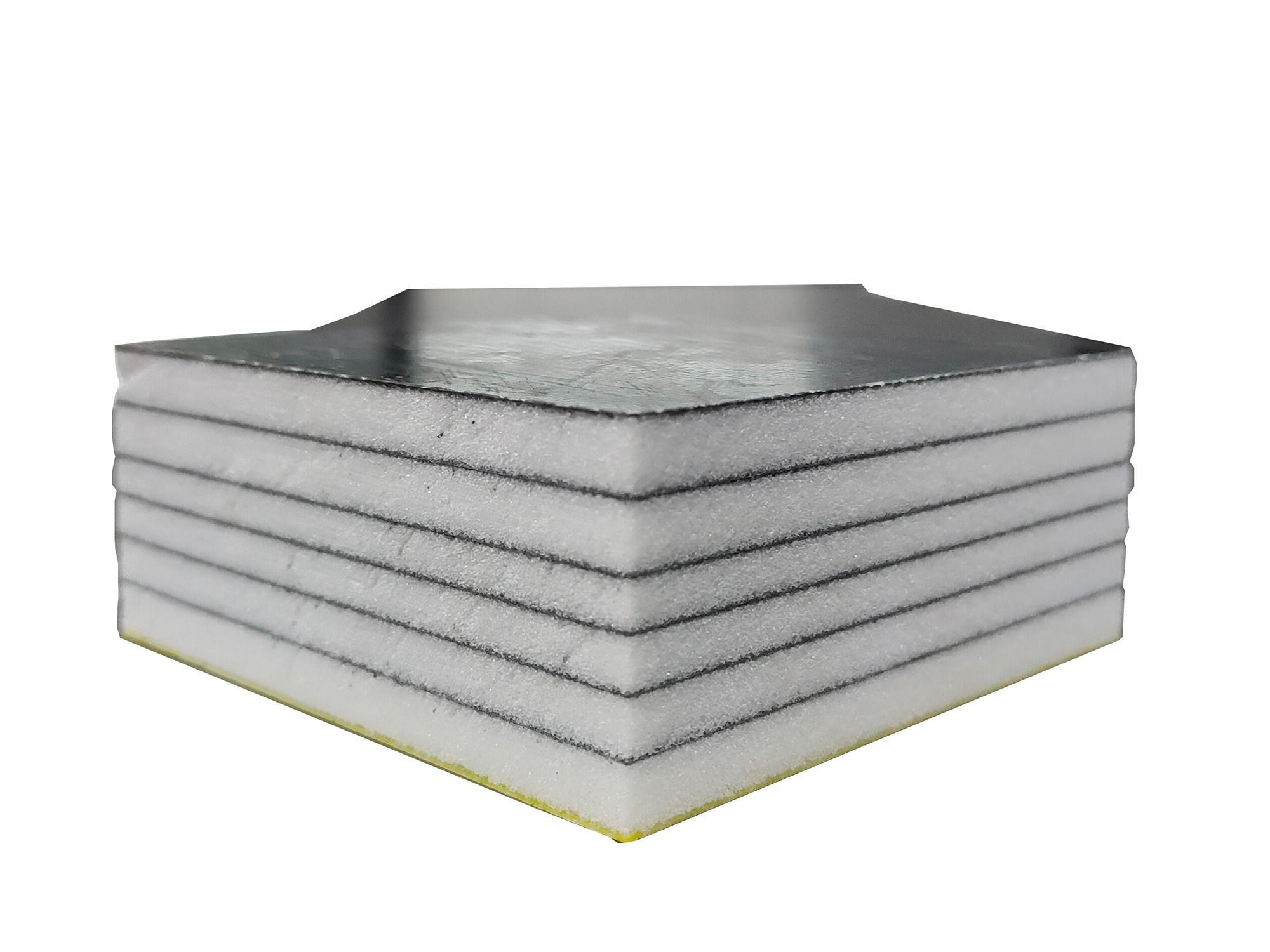
Define the engineering decision
Selecting a PMI foam core for sandwich construction requires alignment between the core grade, skin system, adhesive or co-curing route, panel geometry, and manufacturing sequence. The decision should be based on the design load cases, temperature and environmental assumptions, joining details, inspection approach, and the governing specification. Rather than treating a generic material description as approval, teams should define the required evidence and review boundary first. Any recommendation remains subject to project-specific drawings, applicable-grade data, and representative validation.
Translate the part into a controlled geometry brief
Provide the panel drawing or preliminary section showing skins, core regions, tapers, steps, inserts, edge closeouts, joints, radii, and load-introduction features. Geometry review should also capture datum references, orientation, segmentation, local reinforcements, and the interfaces that affect bonding or machining. If dimensions are still evolving, a marked-up concept drawing can establish the review sequence without implying a fixed size, thickness, or tolerance range. Final geometry must be checked against the manufacturing route and the project’s inspection and acceptance requirements.
Connect the material question to the process route
The handoff should move from design intent to a controlled technical package. Share the panel architecture, material and adhesive assumptions, manufacturing route, drawing revision, service conditions, load cases, and applicable specifications. CoreMatrix Materials can then organize open questions, identify required grade information, and separate preliminary guidance from project approval evidence. Before release, align on sample or panel-level validation, inspection records, change control, and the responsibilities of the material, design, and manufacturing teams. The process should preserve traceability from input drawing to review outcome.
Keep technical evidence within its stated boundary
Evidence requests should be matched to the project decision, not copied from an unrelated application. Confirm the applicable PMI grade, relevant datasheets, traceability expectations, test methods, environmental conditioning, panel configuration, and acceptance criteria. Where structural or manufacturing behavior is material to the decision, use representative coupons, subcomponents, or panels defined by the project team. This page does not establish performance values, certifications, chemical or RF conclusions, or universal design allowables. Those boundaries require current controlled documentation and project-specific validation.
Related questions
Questions that make the next engineering conversation more useful.
01What information is needed to review a PMI foam core sandwich panel?
Start with the latest drawing or section, skin and adhesive assumptions, manufacturing route, load cases, service environment, applicable specifications, and inspection needs. A preliminary package is acceptable, provided open items are clearly marked and final selection remains subject to grade-data review and representative project validation.
02Can a generic PMI foam core datasheet approve my sandwich panel design?
No. A datasheet can support initial screening, but approval depends on the selected grade, panel architecture, bonding and processing conditions, geometry, test methods, and project acceptance criteria. Confirm these inputs through controlled documentation and validation representative of the intended construction.