
Specific engineering search intent
Drawing and geometry context
Process and handoff review
Controlled technical evidence
Engineering record
Component context
Core & geometry
Process & review
Define the engineering decision
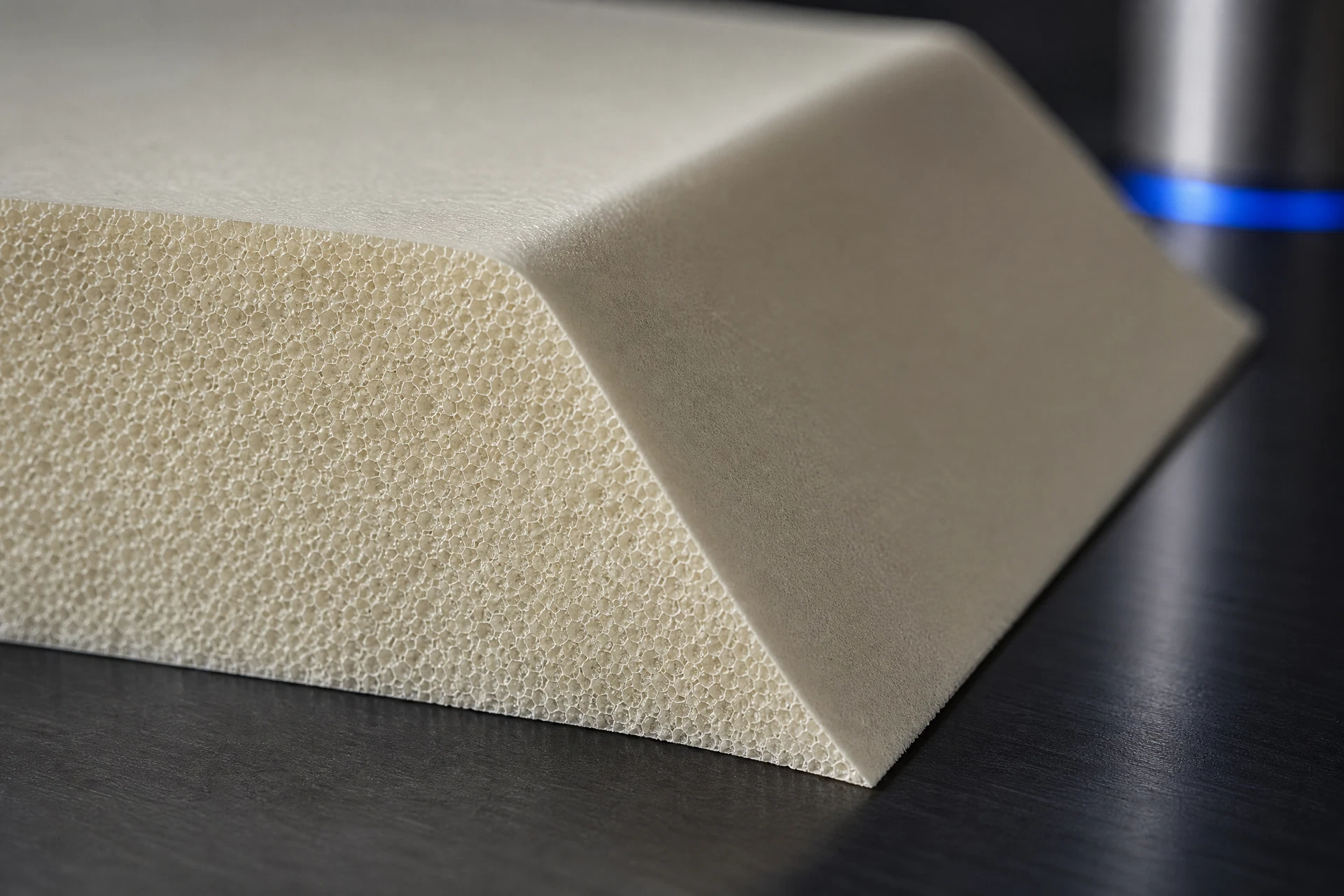
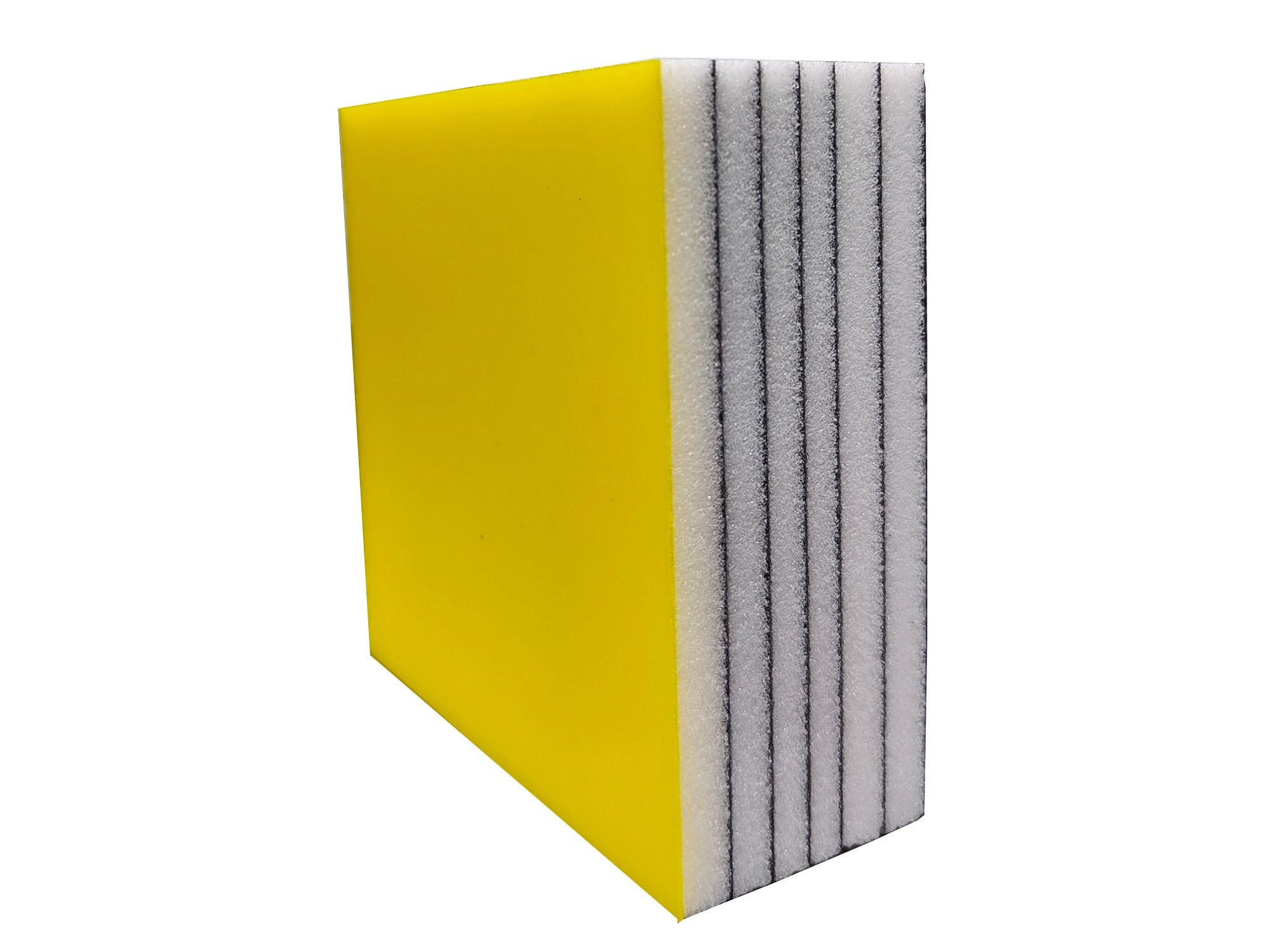
Selecting a kitted-core approach is an engineering and workflow decision, not a generic material substitution. Review should establish the required PMI grade, component list, orientation or marking conventions, protection needs, and how kit contents map to the drawing and manufacturing sequence. Where the design intent is incomplete, the next step is to identify open questions and request the governing files. Final suitability remains subject to project-specific review, fabrication trials, and approved evidence.
Translate the part into a controlled geometry brief
Geometry should be defined from controlled drawings, CAD data, nesting information, or clearly dimensioned part schedules supplied for review. The kit description can organize individual core pieces by identifier, revision, quantity, orientation, edge condition, and intended installation location. It should not imply fixed sizes, thicknesses, tolerances, or shapes without source documentation. Any split lines, reliefs, joints, machining allowances, datum references, or labeling zones should be confirmed against the project drawing before release.
Connect the material question to the process route
The handoff begins with the project package: drawings, material requirements, processing instructions, kit structure, labeling scheme, and requested documentation. CoreMatrix Materials can then clarify the proposed identification and packaging logic, record assumptions, and route unresolved items for engineering review. Before production use, the kit definition should be checked against the latest approved revision and the customer’s assembly or layup workflow. Packaging and identification details should be treated as controlled process requirements, not assumed standard features.
Keep technical evidence within its stated boundary
Evidence should be matched to the decision being made. Requested inputs may include the applicable PMI material-grade data, technical datasheets, drawings, process specifications, inspection criteria, labeling requirements, and sample or trial results where relevant. This page does not establish performance, certification, RF, chemical, dimensional, inventory, or delivery conclusions. Project validation should confirm that the supplied evidence applies to the selected grade, geometry, processing route, and revision, with remaining limitations documented for approval.
Related questions
Questions that make the next engineering conversation more useful.
01What information is needed to review a PMI foam core kit?
Provide the controlled drawing or CAD reference, required PMI grade, component schedule, revision, identification method, packaging expectations, and downstream processing requirements. If any item is unavailable, the review can document assumptions and identify the evidence needed before the kit is approved for project use.
02Does a PMI foam core kit include fixed dimensions or standard tolerances?
Not necessarily. Dimensions, thicknesses, shapes, split lines, and tolerances must come from the applicable project drawings or specifications. The kit should be released only after those requirements, identification details, and revision controls are reviewed and accepted for the intended process.