
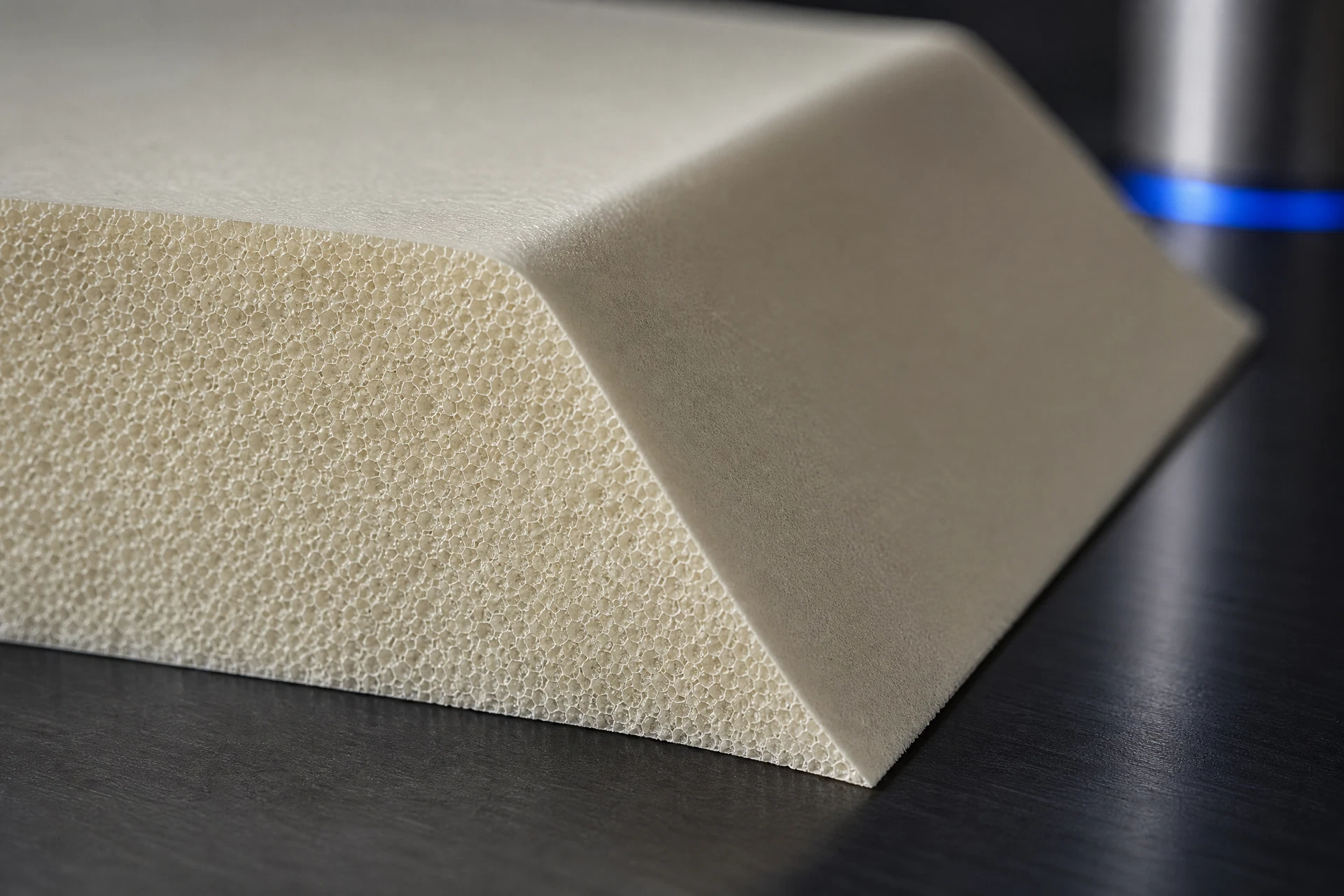
Specific engineering search intent
Drawing and geometry context
Process and handoff review
Controlled technical evidence
Engineering record
Component context
Core & geometry
Process & review
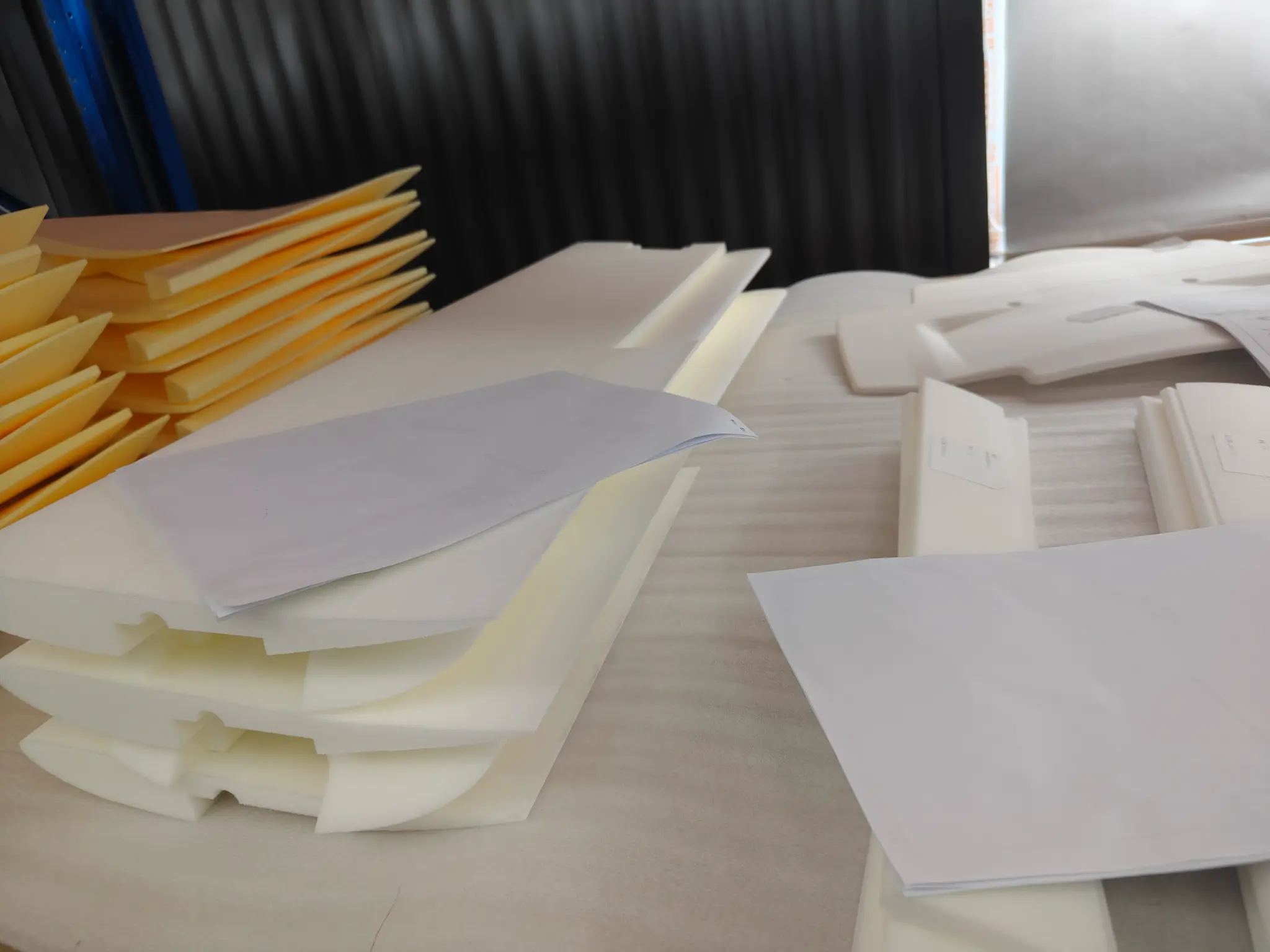
Define the engineering decision
The selection decision should begin with the load path and manufacturing method, not with an assumed performance claim. Define whether the core is being evaluated for a flat panel, contoured part, machined insert region, or another structural arrangement, then compare candidate grades against the project’s documented requirements. Request the applicable technical data and processing guidance for the exact grade under consideration. A responsible decision records exclusions, open questions, interfaces, and validation tests before the material is released into a design or procurement workflow.
Translate the part into a controlled geometry brief
Geometry review should use a controlled drawing or neutral CAD definition that identifies overall envelope, core boundaries, steps, tapers, radii, cut-outs, joints, inserts, and orientation where relevant. Do not infer available thicknesses, dimensions, or tolerances from a general product label. Show datum references, bonding surfaces, machining allowances, edge conditions, and the relationship between core and skins. CoreMatrix Materials can review the intended geometry and clarify which features require manufacturability discussion, sample definition, or confirmation against the applicable grade and process.
Connect the material question to the process route
The process handoff should connect the design definition to the proposed fabrication route. Share the laminate schedule, adhesive or bonding approach, cure or consolidation conditions, tooling concept, machining operations, handling constraints, and inspection plan as available. The review should distinguish supplier-controlled material information from customer-controlled process parameters. Any cutting, shaping, joining, or insert detail should be confirmed against current technical guidance rather than assumed from a catalog description. Project release should follow documented drawing review, process alignment, and agreed validation activities.
Keep technical evidence within its stated boundary
Evidence requests should be specific to the selected grade and intended use. Ask for current applicable-grade data, material identification, processing guidance, test-method definitions, conditioning details, and any limitations relevant to the proposed construction. Avoid transferring values between grades, forms, orientations, or test conditions without engineering justification. Project validation may require representative geometry, representative skins and bonds, environmental conditioning, and inspection criteria. Until those inputs are reviewed, this page supports preliminary selection only and does not establish performance, compliance, or design allowables.
Related questions
Questions that make the next engineering conversation more useful.
01What information is needed to evaluate lightweight PMI foam core for a project?
Provide the intended structure, core grade or grade range, geometry, skin and bonding concept, manufacturing route, service conditions, and governing requirements. A controlled drawing or CAD model plus applicable technical data allows the selection to proceed without assuming unverified dimensions, tolerances, performance, or compliance.
02Can a product page alone approve PMI foam core for final design use?
No. A product page can support preliminary screening, but final use requires review of the exact grade, drawing, process definition, applicable data, interfaces, and project validation plan. Approval should be based on documented evidence and representative verification, not on generic material descriptions.