
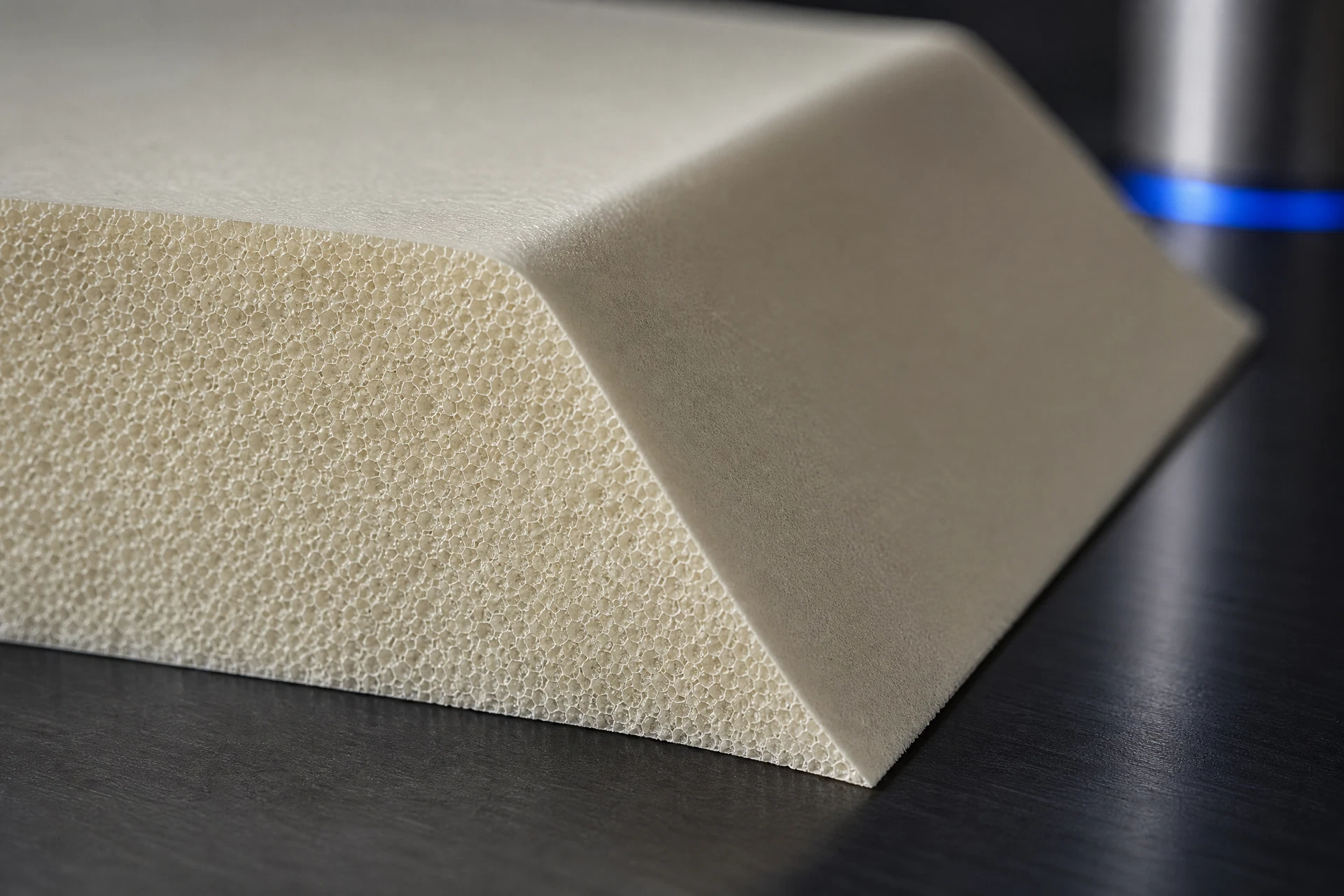
Specific engineering search intent
Drawing and geometry context
Process and handoff review
Controlled technical evidence
Engineering record
Component context
Core & geometry
Process & review
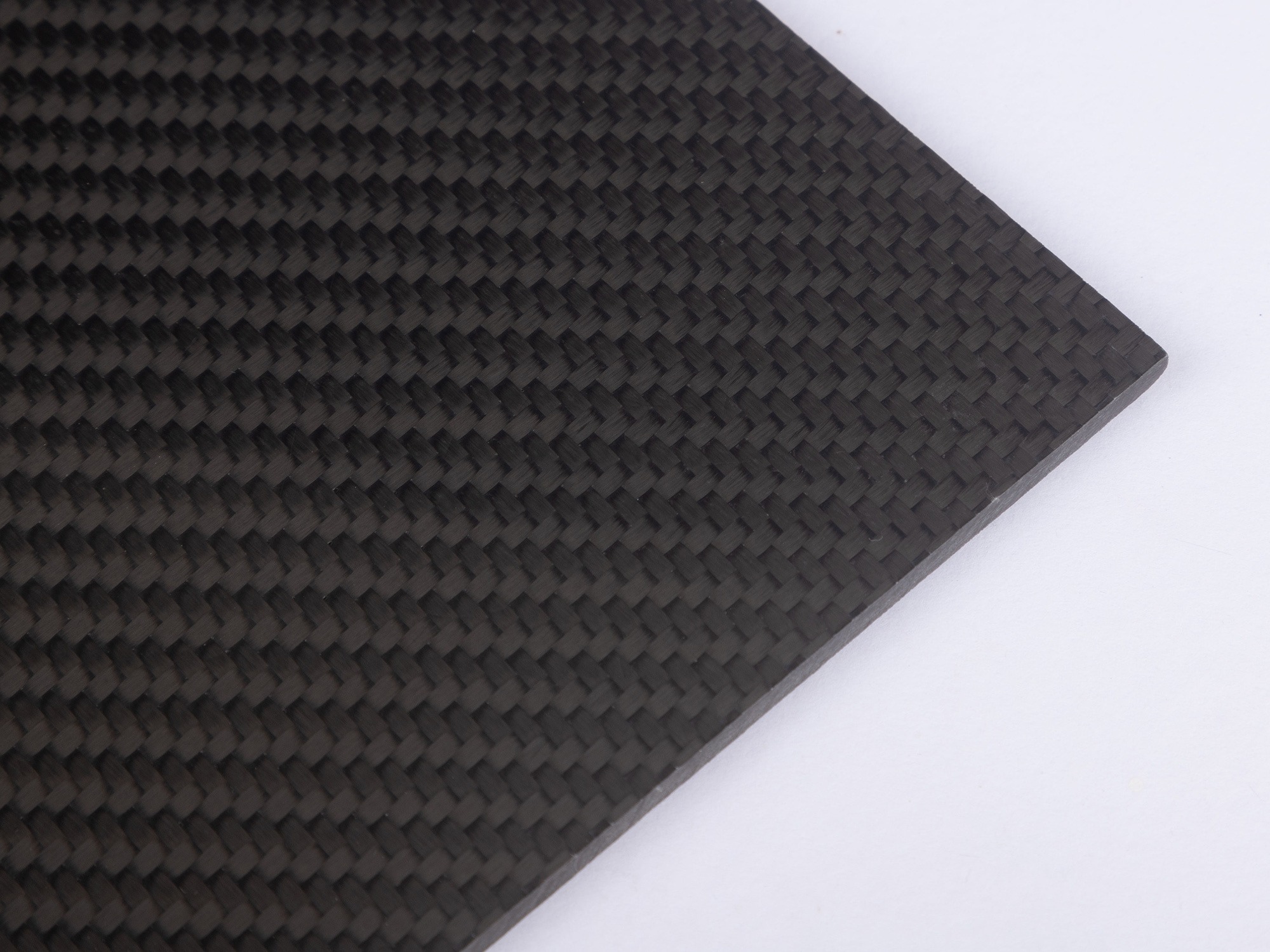
Define the engineering decision
The engineering decision is whether the proposed core concept is sufficiently defined for technical review and project validation. Review inputs may include the part function, load cases, support conditions, interfaces, processing constraints, inspection needs, and governing specifications. Where information is incomplete, the next step is to identify assumptions and request the missing evidence rather than select a material by name alone. Any suitability statement should remain tied to documented grade information, representative geometry, agreed process conditions, and project-specific verification.
Translate the part into a controlled geometry brief
Geometry should be communicated through current drawings, CAD data, sections, interfaces, and representative features. Identify core boundaries, transitions, openings, inserts, bonding areas, edge treatments, datum references, and any regions that may affect manufacture or inspection. Do not rely on generic size or thickness expectations when the design is custom. A drawing review can distinguish design intent from manufacturing definition, highlight unresolved interfaces, and establish which dimensions, notes, materials, and process conditions must be confirmed before release.
Connect the material question to the process route
The handoff should follow a traceable sequence: submit the requirement set, share drawings or models, review manufacturing and material assumptions, define open questions, and agree the evidence needed for the next project gate. Outputs may include a clarified specification, an inquiry package, a sample or test plan, and a record of decisions. Production, inspection, and validation expectations should be documented separately from preliminary discussion. This keeps custom development aligned across design, materials, manufacturing, and procurement teams.
Keep technical evidence within its stated boundary
Evidence should be requested against the actual decision being made. Relevant inputs may include applicable grade data, material identification, process descriptions, drawing revisions, inspection methods, representative test plans, and records from project validation. Published information is not a substitute for confirming the selected configuration or manufacturing route. CoreMatrix Materials should define the boundary of any supplied data, identify unsupported assumptions, and separate informational guidance from results generated on project-relevant parts or specimens.
Related questions
Questions that make the next engineering conversation more useful.
01What information is needed to review a custom composite core requirement?
Start with the part function, drawings or CAD, interfaces, loading context, environment, manufacturing route, joining approach, applicable specifications, and inspection expectations. If details are unavailable, identify the assumptions clearly so the review can return focused questions and a practical evidence plan.
02Can a custom composite core be approved from published data alone?
Published data can support an initial screening, but it may not establish suitability for a specific configuration, geometry, process, or interface. Project approval should follow documented requirements, applicable grade evidence, representative validation, and agreement on the acceptance basis.