
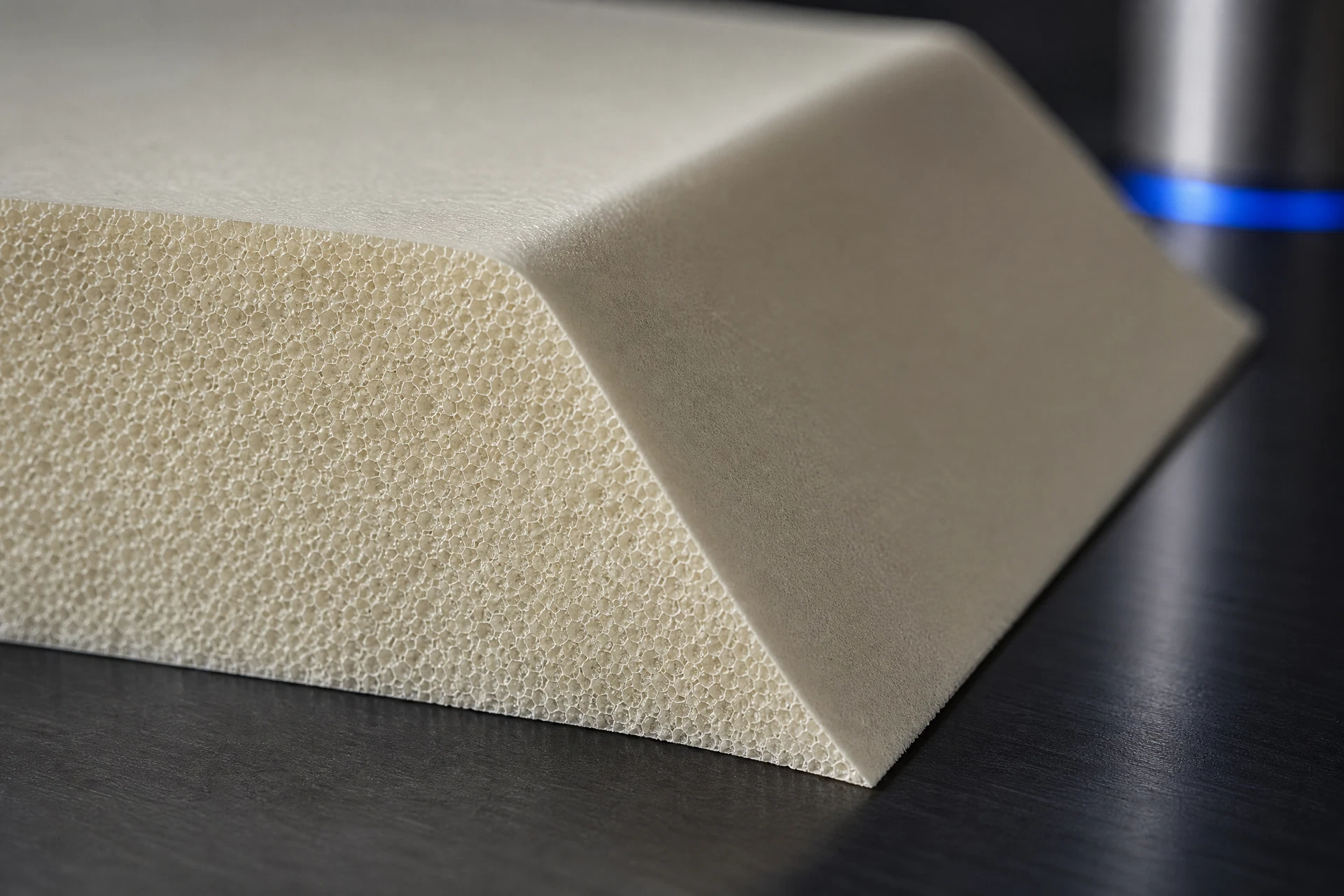
Specific engineering search intent
Drawing and geometry context
Process and handoff review
Controlled technical evidence
Engineering record
Component context
Core & geometry
Process & review
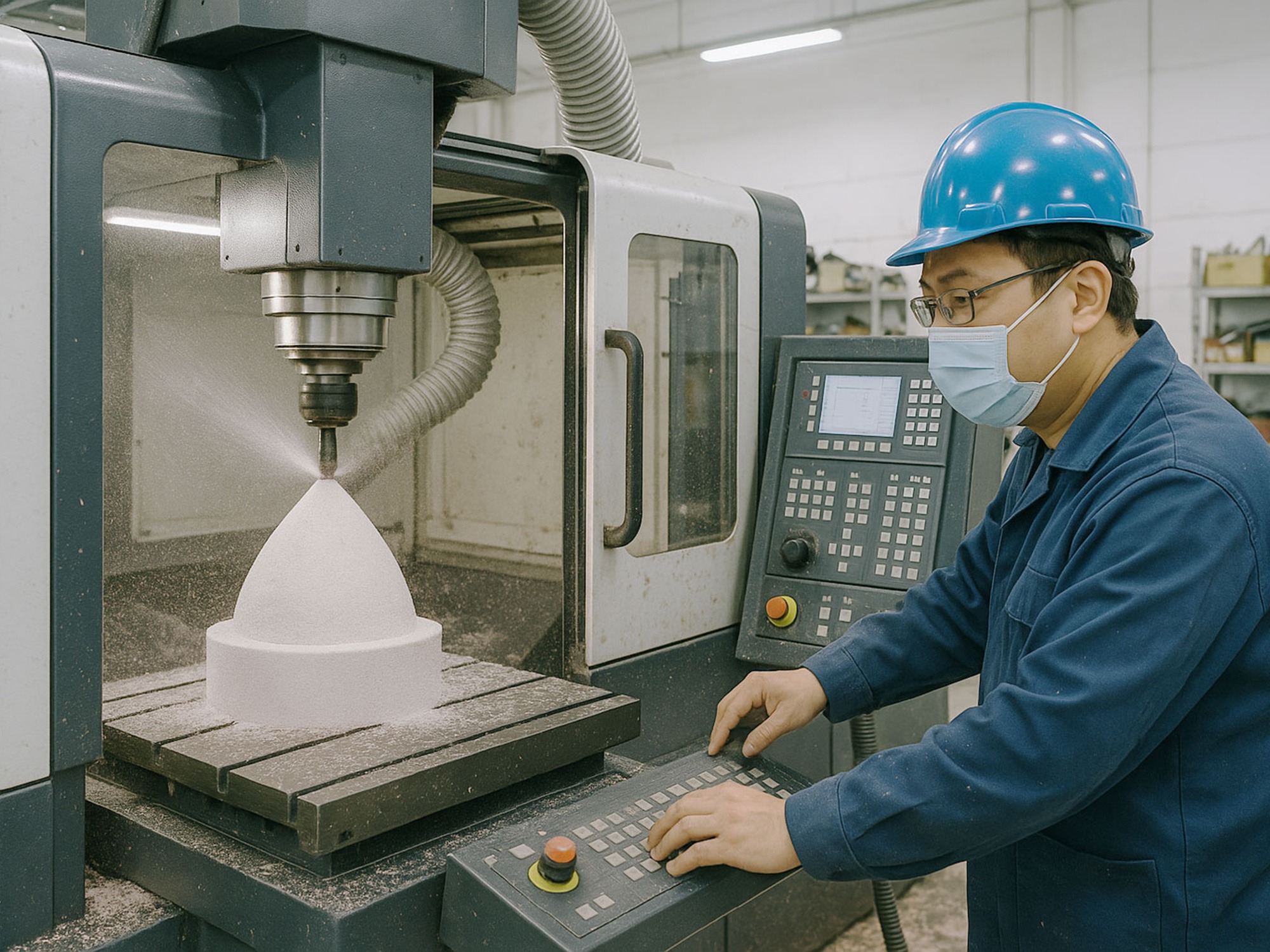
Define the engineering decision
The engineering decision should connect the curved core to the load path, skin configuration, joining concept, and manufacturing sequence without assuming unsupported performance. Review whether the proposed geometry can be represented clearly, whether forming or machining steps are defined, and whether local features require separate controls. Confirm the applicable PMI grade through project documentation and request the material properties, processing limits, and acceptance criteria needed for review. Selection should remain conditional until design, process, and verification evidence are aligned.
Translate the part into a controlled geometry brief
Provide curved-core CAD with units, coordinate references, section views, and revision status. Identify inner and outer radii, curvature changes, edge conditions, cut-outs, steps, tapers, splices, and interfaces with skins or inserts. Drawings should distinguish nominal geometry from controlled features and show datum strategy, inspection locations, and any zones requiring special handling. Do not infer available size, thickness, or tolerance from this page. The project drawing and approved manufacturing definition govern the geometry to be reviewed and released.
Connect the material question to the process route
Describe the intended route from CAD review through material confirmation, forming or machining, inspection, packaging, and handoff to composite fabrication. The process discussion should identify heating or forming intent where applicable, tooling references, orientation, joining details, and points at which the design may need clarification. CoreMatrix Materials can help organize an inquiry around these inputs, but the project team must approve the process definition. Any trial, first-article, or production release should use documented instructions and agreed acceptance criteria.
Keep technical evidence within its stated boundary
Request evidence matched to the application and the applicable PMI grade, including technical data, processing guidance, conditioning or test methods, and records relevant to the proposed geometry and route. Separate supplier information from project-specific validation; neither should be treated as a blanket claim for every curved configuration. Verification may include drawing review, material identification, dimensional inspection, process trials, laminate-level assessment, and other tests selected by the responsible engineering team. Conclusions remain bounded by the supplied evidence, revision, and intended use.
Related questions
Questions that make the next engineering conversation more useful.
01What information is needed to review a curved PMI foam core inquiry?
Start with the latest curved-core CAD, drawings, material or grade intent, laminate context, manufacturing route, interfaces, revision status, and requested evidence. Include section views and critical features so geometry and process questions can be resolved before any project-specific recommendation.
02Does curved PMI foam core require project-specific validation?
Yes. Curvature, transitions, forming or machining, bonding interfaces, and the surrounding laminate can affect the review scope. Validation should use the applicable grade data, approved drawings, documented process controls, and acceptance criteria established for the intended project.