
Specific engineering search intent
Drawing and geometry context
Process and handoff review
Controlled technical evidence
Engineering record
Component context
Core & geometry
Process & review
Define the engineering decision
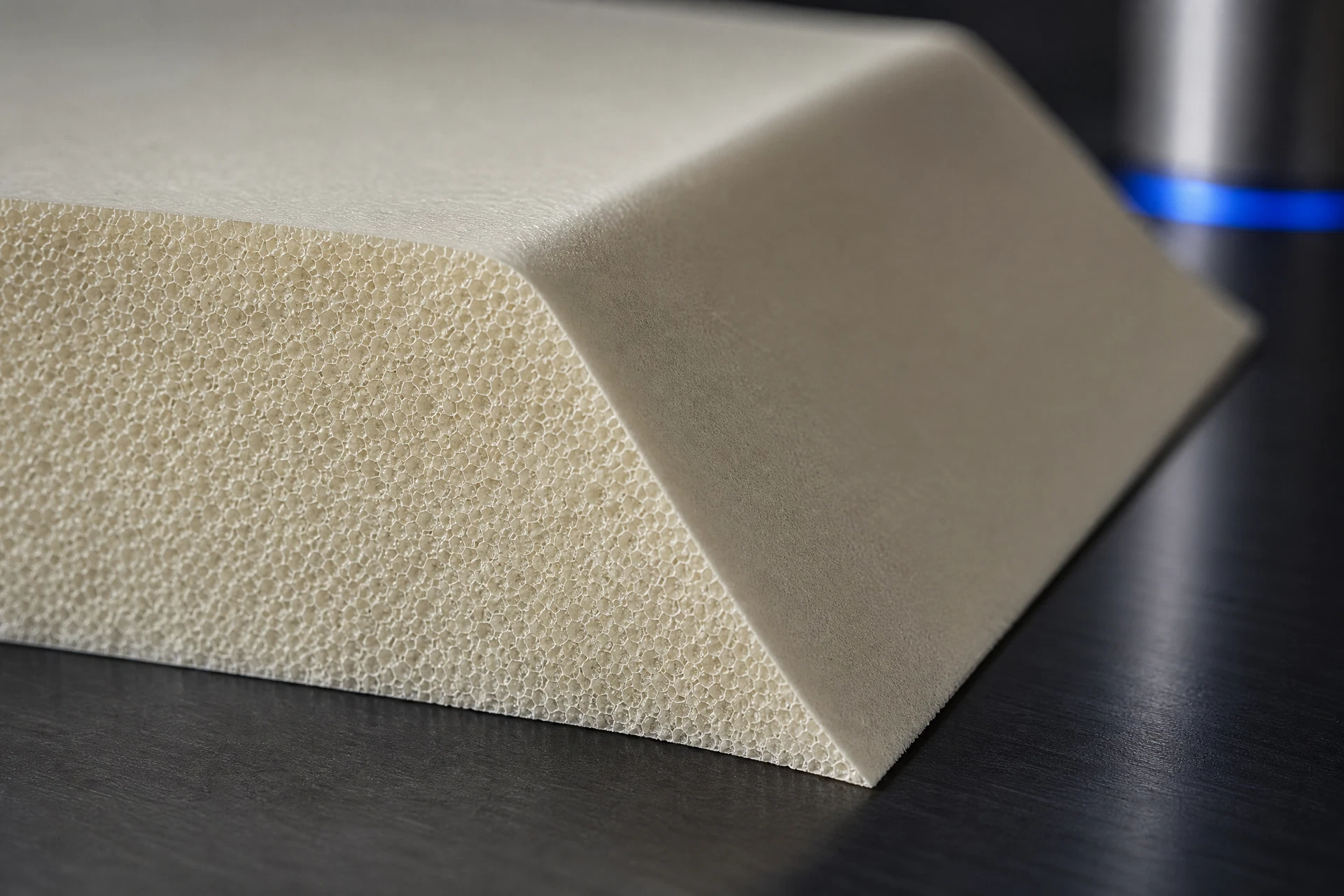
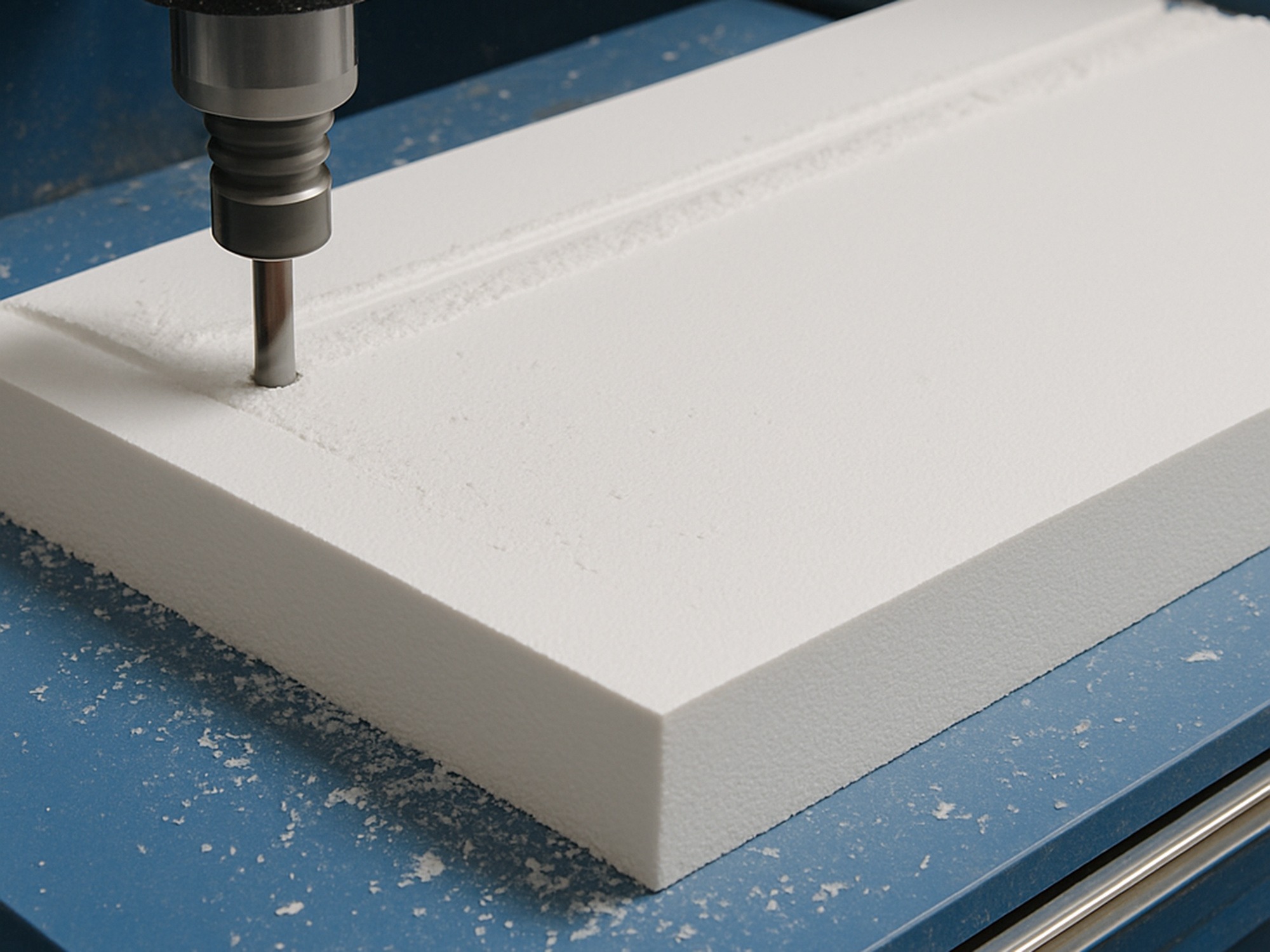
The engineering decision is whether the requested PMI foam geometry, material grade, and machining approach are sufficiently defined for a controlled quotation and validation discussion. Review should consider part function, datum strategy, thin or delicate features, edge conditions, access for cutting tools, and any joining or finishing interfaces shown in the design. Selection of a suitable material grade remains project-specific and should be confirmed against the applicable technical data and service environment. No production conclusion should be made until drawings, process assumptions, and acceptance criteria are aligned.
Translate the part into a controlled geometry brief
Submit a current 2D drawing and, where useful, a 3D CAD model showing units, datums, reference surfaces, profiles, pockets, holes, radii, chamfers, material removal zones, and inspection-critical features. Identify interfaces, masking requirements, grain or orientation conventions if relevant to the supplied material, and any features that may be sensitive during machining or handling. The drawing should distinguish design intent from reference dimensions and state which characteristics require verification. Geometry review can then focus on tool access, fixturing, edge support, feature sequencing, and practical inspection points.
Connect the material question to the process route
The enquiry handoff should include the part number or revision, drawing package, CAD format, material specification or preferred grade, intended application, expected quantity context, and requested inspection or documentation. CoreMatrix Materials can review the package, return clarification questions, and define assumptions before a project-specific manufacturing discussion. The process should separate cutting strategy, workholding, deburring or surface treatment, marking, packaging, and inspection responsibilities. Any proposed route remains subject to geometry review, material availability confirmation, agreed acceptance criteria, and validation of the released design.
Keep technical evidence within its stated boundary
Evidence for a CNC cut PMI foam part should be tied to the released drawing, identified material grade, process records, and agreed inspection method. Request the applicable material technical data, traceability information where required, measurement records for defined features, and any sample or first-article checks needed by the project. These inputs do not replace application validation. CoreMatrix Materials should not infer density, mechanical behavior, thermal suitability, RF response, chemical compatibility, certification status, or production capability without relevant documentation and project-specific review.
Related questions
Questions that make the next engineering conversation more useful.
01What information is needed to request CNC cut PMI foam parts?
Provide the latest drawing and CAD model, material grade or specification, intended use, quantity context, revision status, and inspection or documentation needs. Include critical interfaces and acceptance criteria so manufacturability questions and validation boundaries can be addressed before any project-specific quotation.
02Can CoreMatrix Materials confirm suitability from a drawing alone?
A drawing supports geometry and process review, but it cannot establish application suitability by itself. Material data, service conditions, assembly interfaces, acceptance criteria, and project validation requirements should be reviewed together before selecting a grade or approving the part.