
Specific engineering search intent
Drawing and geometry context
Process and handoff review
Controlled technical evidence
Engineering record
Component context
Core & geometry
Process & review
Define the engineering decision
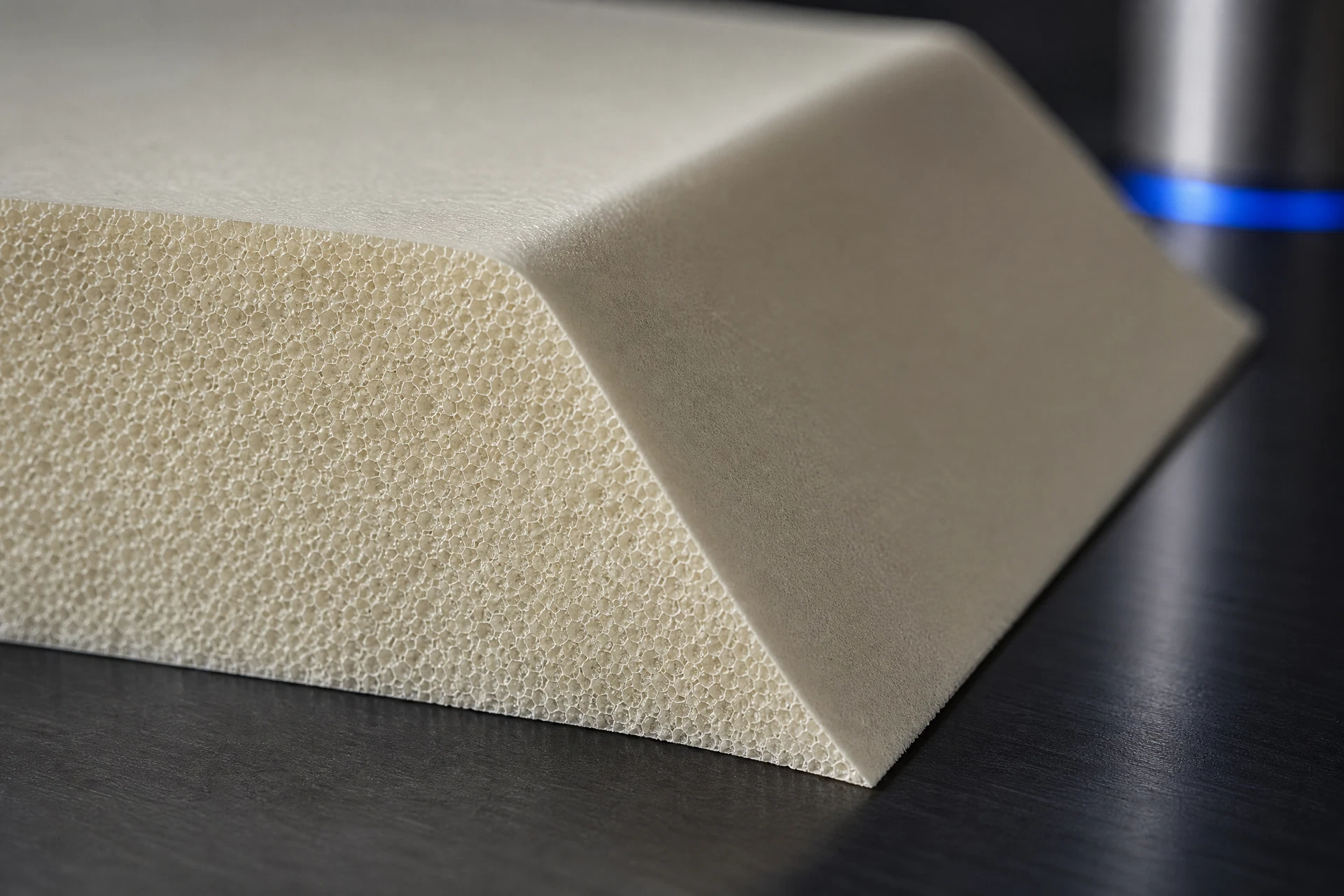
The engineering decision is whether a 3D PMI foam core concept can be defined clearly enough for controlled review and project validation. Relevant considerations include load-path intent, surrounding skins or inserts, curvature, local features, access, handling, bonding, and the proposed fabrication sequence. A decision should remain conditional until the drawing, process assumptions, material grade, and verification plan are aligned. This page does not establish performance values, compliance status, RF behavior, chemical suitability, availability, or delivery commitments.
Translate the part into a controlled geometry brief
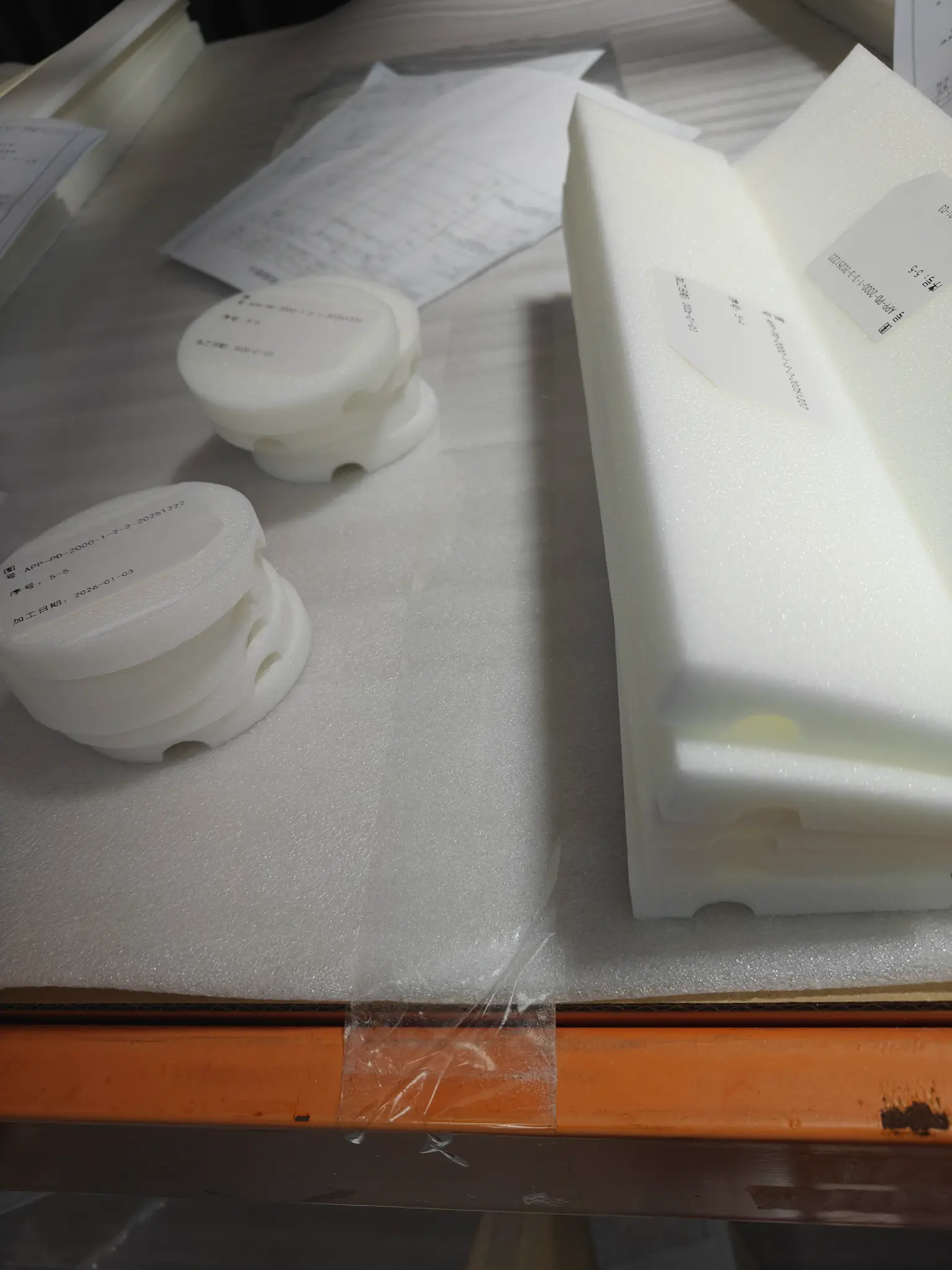
Geometry review should capture the complete three-dimensional form rather than relying on a representative block description. Share native CAD or a controlled drawing showing coordinate references, sections, transitions, cutouts, radii, interfaces, datum strategy, surface requirements, and any zones requiring special handling. Identify whether features are machined, formed, assembled, or produced through another defined route. Review comments should distinguish design intent from manufacturing allowance, and any proposed dimensions or tolerances must come from project drawings and process capability evidence.
Connect the material question to the process route
A practical handoff starts with the part definition, intended use, core grade under consideration, skin and adhesive context, and the proposed manufacturing route. CoreMatrix Materials can review the information for geometry completeness, clarify open process questions, and return a structured list of assumptions and evidence requests. The next step is project alignment on samples, representative features, inspection methods, and acceptance criteria. Any production or design release should follow documented engineering review and validation rather than this page alone.
Keep technical evidence within its stated boundary
Evidence boundaries are explicit: applicable-grade datasheets, controlled drawings, process descriptions, inspection records, sample definitions, and project-specific test results should be requested as relevant. Data must be tied to the actual grade, geometry, conditioning, processing state, and test method; generic values should not be treated as a project conclusion. Validation may require representative geometry, bonded assemblies, dimensional inspection, and review of handling or joining steps. Certifications, chemical statements, RF claims, and performance conclusions require direct supporting documentation.
Related questions
Questions that make the next engineering conversation more useful.
01What information is needed to review a 3D PMI foam core concept?
Begin with a controlled drawing or CAD model, the intended geometry, surrounding materials, joining approach, proposed process, and the applicable foam grade or grades. Include design constraints and the project validation objective so open assumptions can be separated from confirmed requirements.
02Does this page confirm performance, certification, or production readiness?
No. It provides an engineering review framework only. Performance, certification, chemical or RF suitability, dimensional capability, and production readiness must be established with project-specific documentation, applicable-grade data, representative inspection, and agreed validation evidence.