
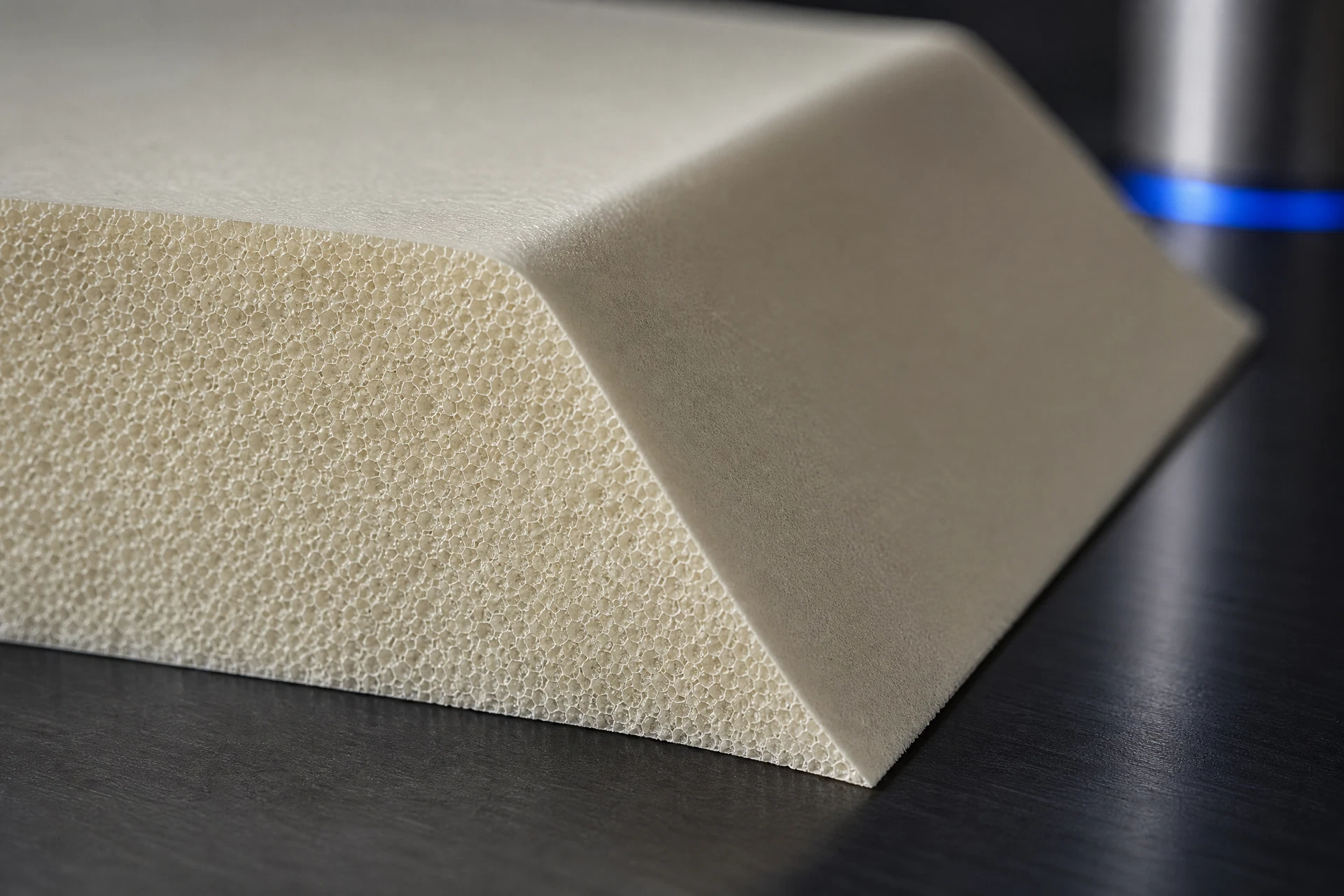
Specific engineering search intent
Component, geometry, and process context
Controlled material and test-data reading
Project-specific technical review
Engineering record
Component context
Core & geometry
Process & review
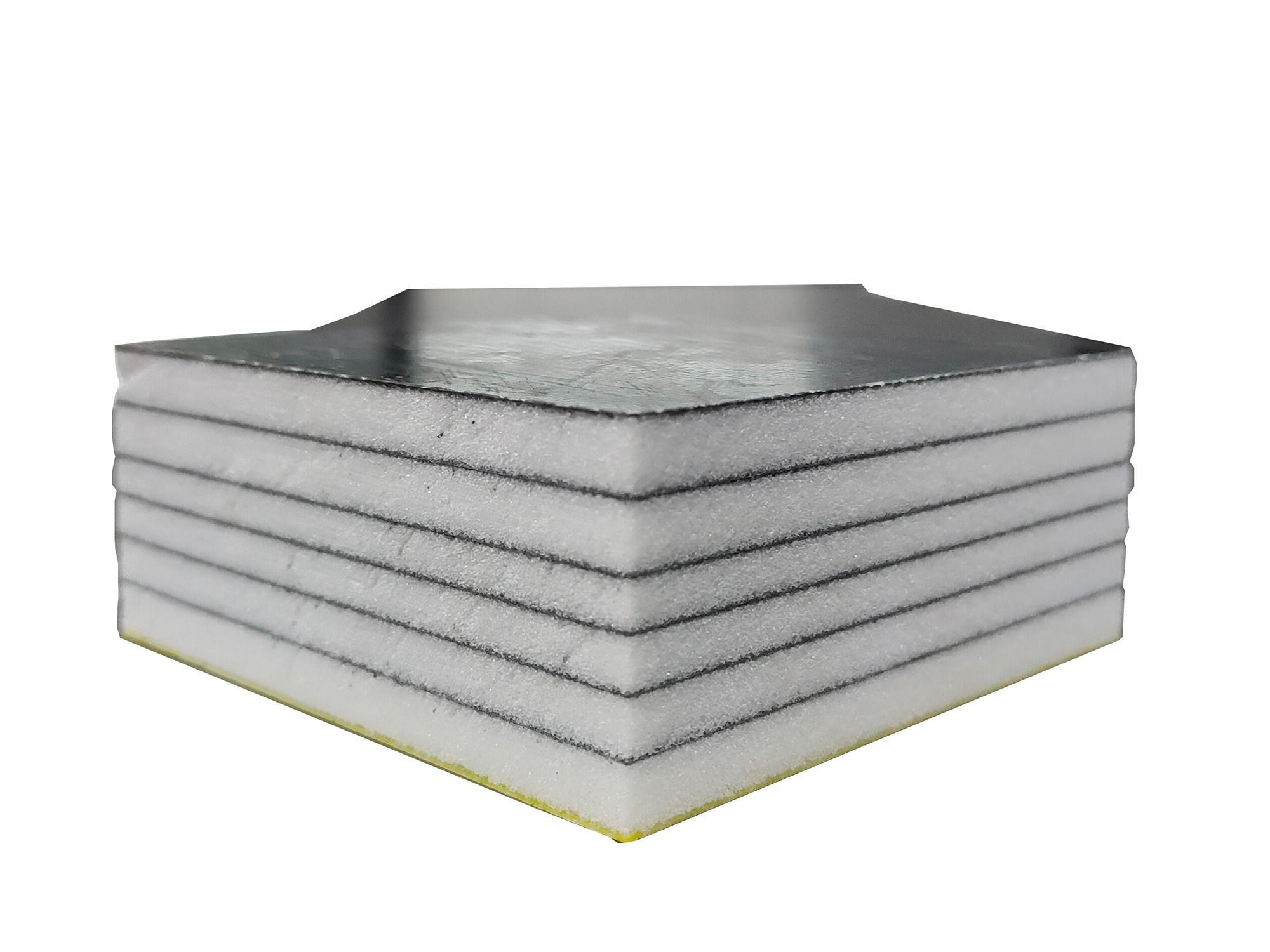
Start with the engineering decision
Start with the documented requirement: candidate grade, density or property field, temperature context, core form and project evidence need. Compare R, F and X rows on the same source basis. Do not declare a universal winner or treat a typical value as an order-specific commitment.
Translate the component into a controlled core brief
Flat panels, shaped cores, cut-outs, interfaces and thick or thin sections can shift the practical selection question. Put the drawing, thickness, construction and feature map beside the series comparison before identifying a candidate material route.
Connect the material question to the process route
State machining, forming, bonding, laminate, temperature and inspection requirements in the RFQ. The general PMI process descriptions are orientation only; the actual process must be assessed against the selected series, component and project controls.
Keep technical evidence within its stated boundary
All R/F/X values on this site are labeled as user-provided reference-document typical values. They are not warranties, certifications, design allowables, process approvals or commercial promises. Request current applicable evidence before procurement or release.
Related questions
Questions that make the next engineering conversation more useful.
01How should an engineer choose between R, F and X Series foam?
Use the table for preliminary screening against documented project requirements, then confirm grade, form, processing and validation needs through a controlled enquiry.
02Are R, F and X Series values guaranteed for every order?
No. The visible entries are typical reference values, not universal supply guarantees or release criteria.