
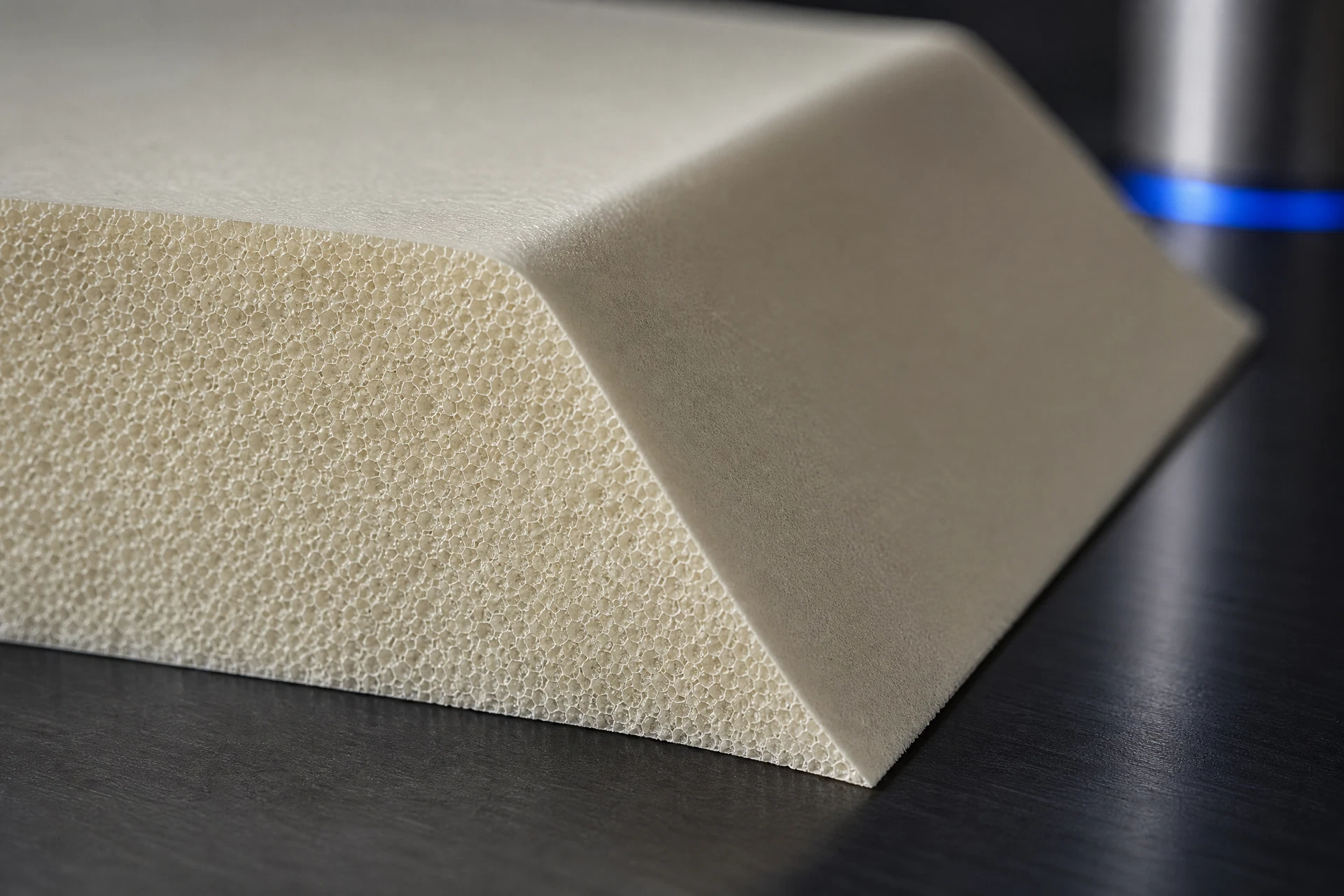
Specific engineering search intent
Component, geometry, and process context
Controlled material and test-data reading
Project-specific technical review
Engineering record
Component context
Core & geometry
Process & review
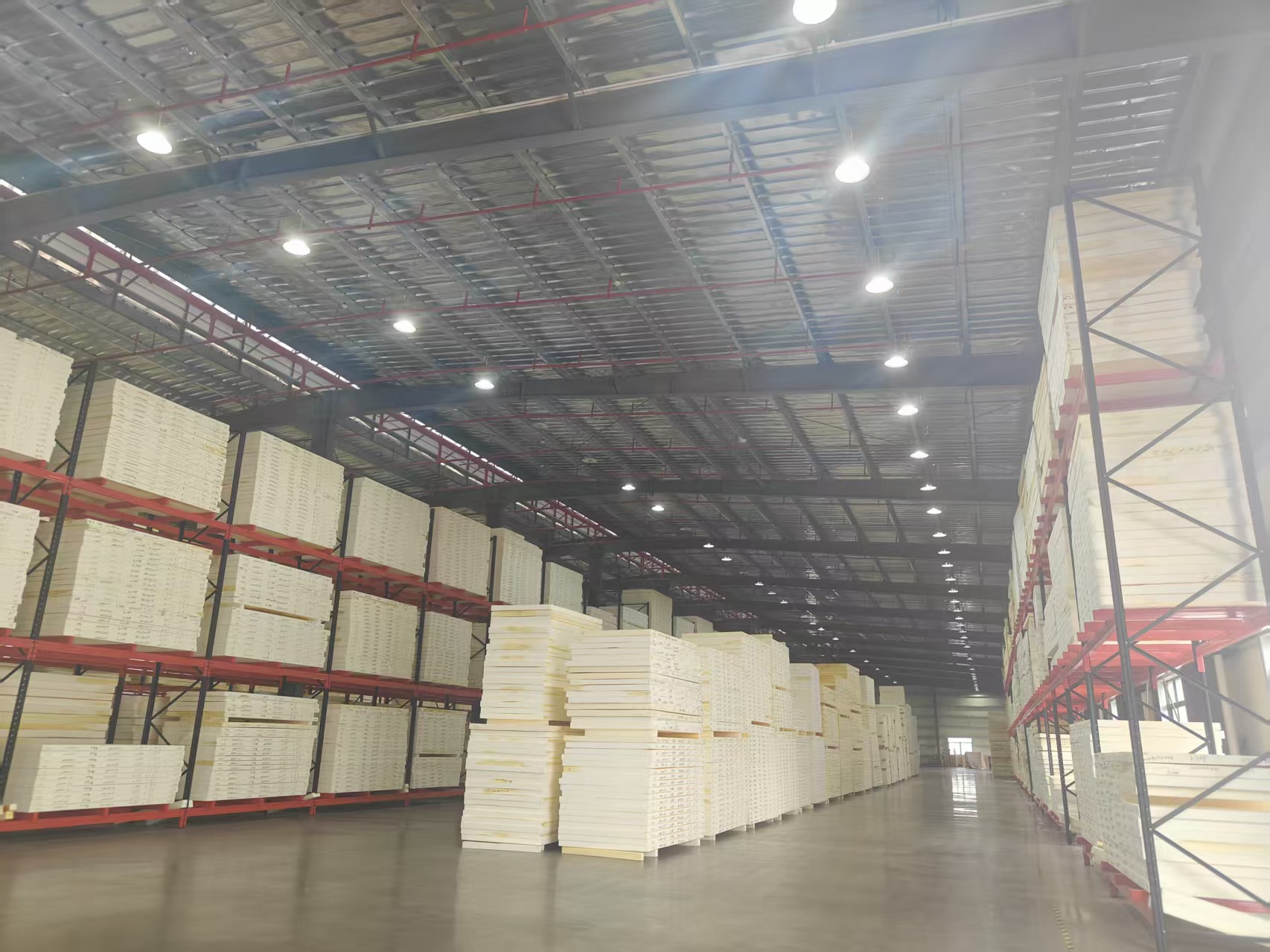
Start with the engineering decision
Compare only the listed X Series entries and preserve their units, grade names and reference-document context. A series number or a higher density should not be treated as automatic suitability for an application. The actual component, temperature, load case and available evidence still govern the next decision.
Translate the component into a controlled core brief
Describe whether the part is a flat core, stepped panel, contoured form, local insert zone or CNC-prepared shape. Thickness, cut-outs, interfaces, facesheets and handling can determine which questions matter more than a density field alone.
Connect the material question to the process route
An X Series RFQ should state the requested grade, stock or finished form, dimensions, CAD, quantity, machining or bonding context and required documents. Any proposed route remains subject to review of the actual part and project requirements.
Keep technical evidence within its stated boundary
X Series entries are user-provided reference-document typical values. They are not guaranteed minimums, certified test results, design allowables or commitments for an unlisted grade, order or finished component.
Related questions
Questions that make the next engineering conversation more useful.
01Can X-30 to X-350 table entries be used as design allowables?
No. Use them for preliminary comparison only, then obtain material-specific evidence and validation for the actual construction and conditions.
02Why should a CAD model accompany an X Series enquiry?
The drawing clarifies thickness, features, contour and interfaces that determine how a series-level request must be reviewed.