
Specific engineering search intent
Component, geometry, and process context
Controlled material and test-data reading
Project-specific technical review
Engineering record
Component context
Core & geometry
Process & review

Start with the engineering decision
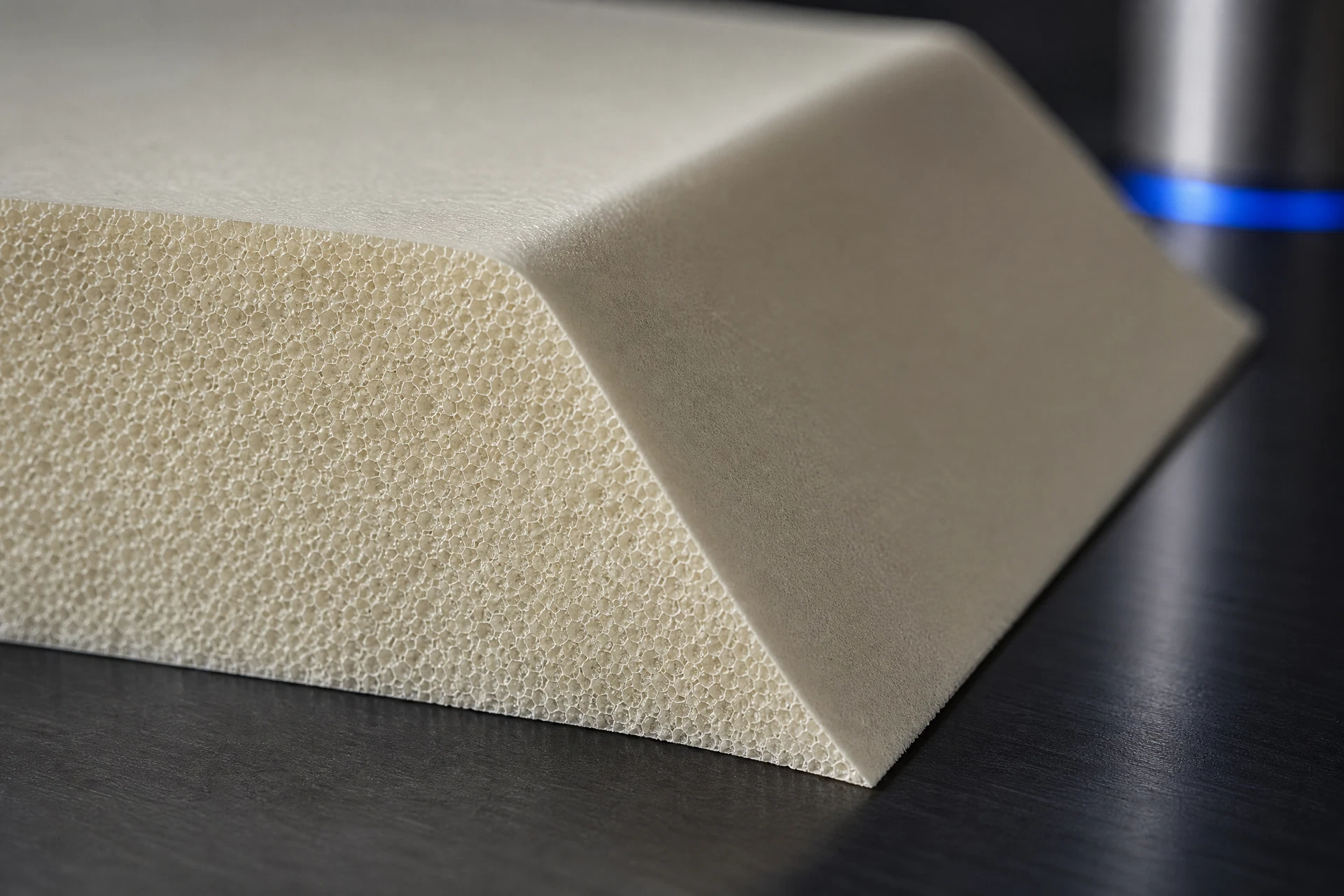
Keep the grade, named series, units and source document together with any pore-diameter comparison. The value is typical reference data, not a guaranteed limit. If it controls a project decision, the measurement method, sampling plan and acceptance basis need to be agreed separately.
Translate the component into a controlled core brief
Core dimensions, cut direction, surface condition, machined features and assembled interfaces affect how a cellular material is observed and evaluated. State the actual part form rather than assuming that a table field predicts every finished surface.
Connect the material question to the process route
Cutting, machining, bonding and handling should be described with the series request. Provide a drawing or CAD package where relevant and identify any inspection question that requires confirmation beyond the supplied reference table.
Keep technical evidence within its stated boundary
R/F/X pore-diameter entries are user-provided reference-document typical values. They do not establish a certificate, design allowable, lot guarantee, regulatory approval or finished-part acceptance criterion.
Related questions
Questions that make the next engineering conversation more useful.
01Is a PMI foam pore-diameter entry a guaranteed acceptance limit?
No. It is a typical reference value unless a separate project-specific measurement and acceptance basis is agreed.
02What should accompany a pore-diameter comparison?
State the grade, document source, geometry, conversion route and required inspection or documentation context.