
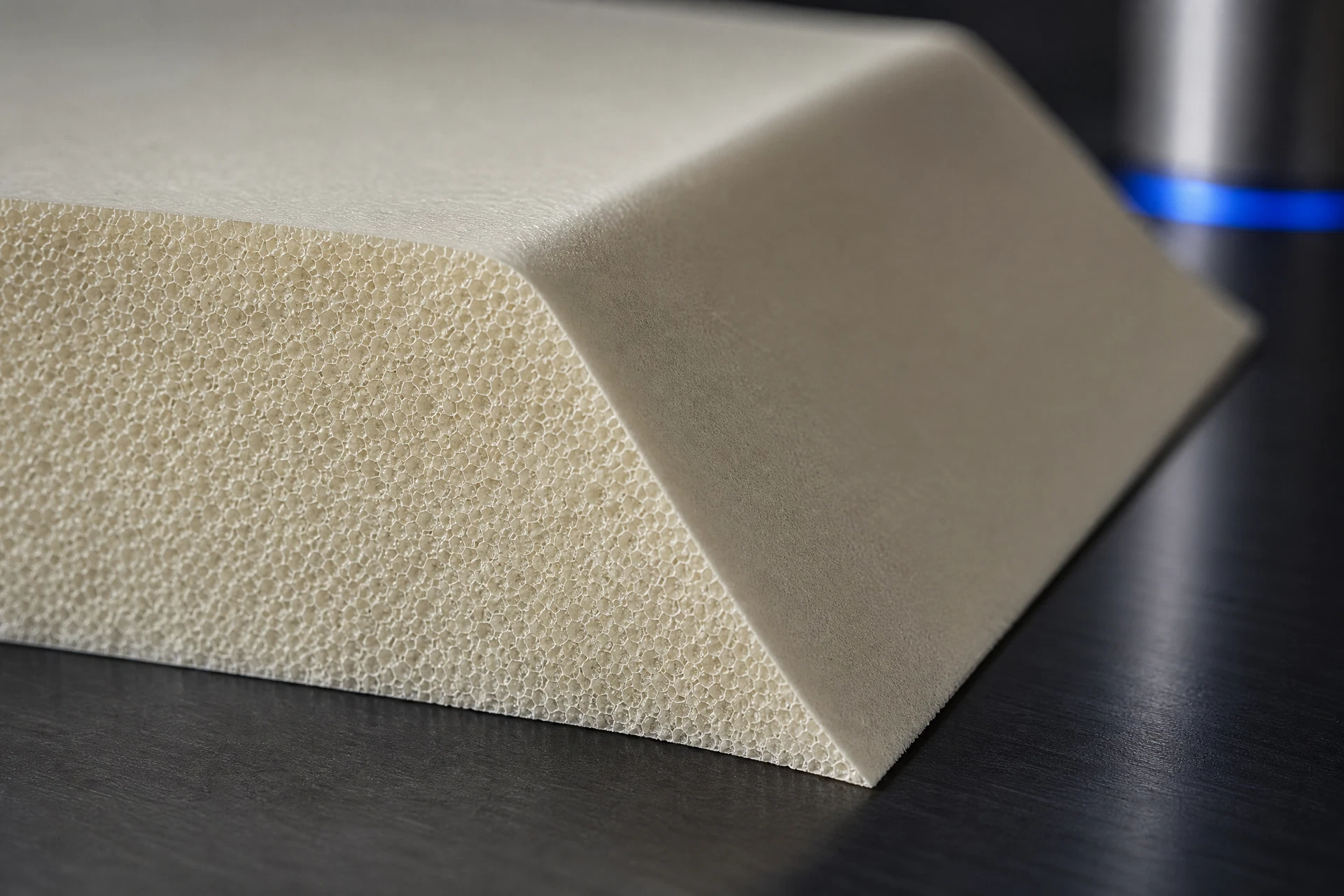
Specific engineering search intent
Component, geometry, and process context
Controlled material and test-data reading
Project-specific technical review
Engineering record
Component context
Core & geometry
Process & review
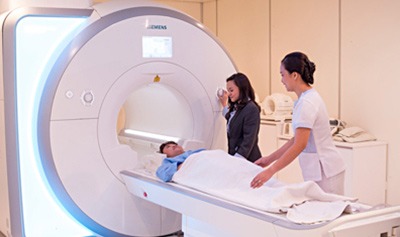
Start with the engineering decision
Start with the structural component, candidate R/F/X series, dimensions, core form and the exact material question. The user-provided table contains typical reference values, not a claim about a medical device, patient use, imaging outcome or compliance. Keep any regulated requirement within the responsible project process.
Translate the component into a controlled core brief
Record the component envelope, interfaces, skins or coverings, attachment zones, visible surfaces, thickness and any CAD-controlled features. This turns a broad medical-use phrase into a technical structural enquiry without making a device performance statement.
Connect the material question to the process route
Describe machining, bonding, assembly, handling, documentation and quality requirements. Any test, compliance or traceability requirement must be specified for the actual project; it cannot be inferred from a generic PMI product article.
Keep technical evidence within its stated boundary
All series fields are user-provided reference-document typical values. They are not medical certifications, device approvals, imaging claims or guarantees of suitability. Request applicable documentation and project evidence before release.
Related questions
Questions that make the next engineering conversation more useful.
01Does PMI reference data establish medical-device compliance?
No. Compliance and device suitability require project-specific regulatory, structural and material evidence.
02What should a medical-imaging structure enquiry include?
Include the non-patient structural component, geometry, candidate series, assembly context, documentation need and applicable project requirements.