
Specific engineering search intent
Component, geometry, and process context
Controlled material and test-data reading
Project-specific technical review
Engineering record
Component context
Core & geometry
Process & review
Start with the engineering decision
A TDS field should retain its exact label, grade, unit, test method, temperature and qualification. Compression and shear are not interchangeable labels, and a higher number in one column does not resolve the component question. Start by recording which construction feature, load path, interface or selection decision actually requires evidence.
Translate the component into a controlled core brief
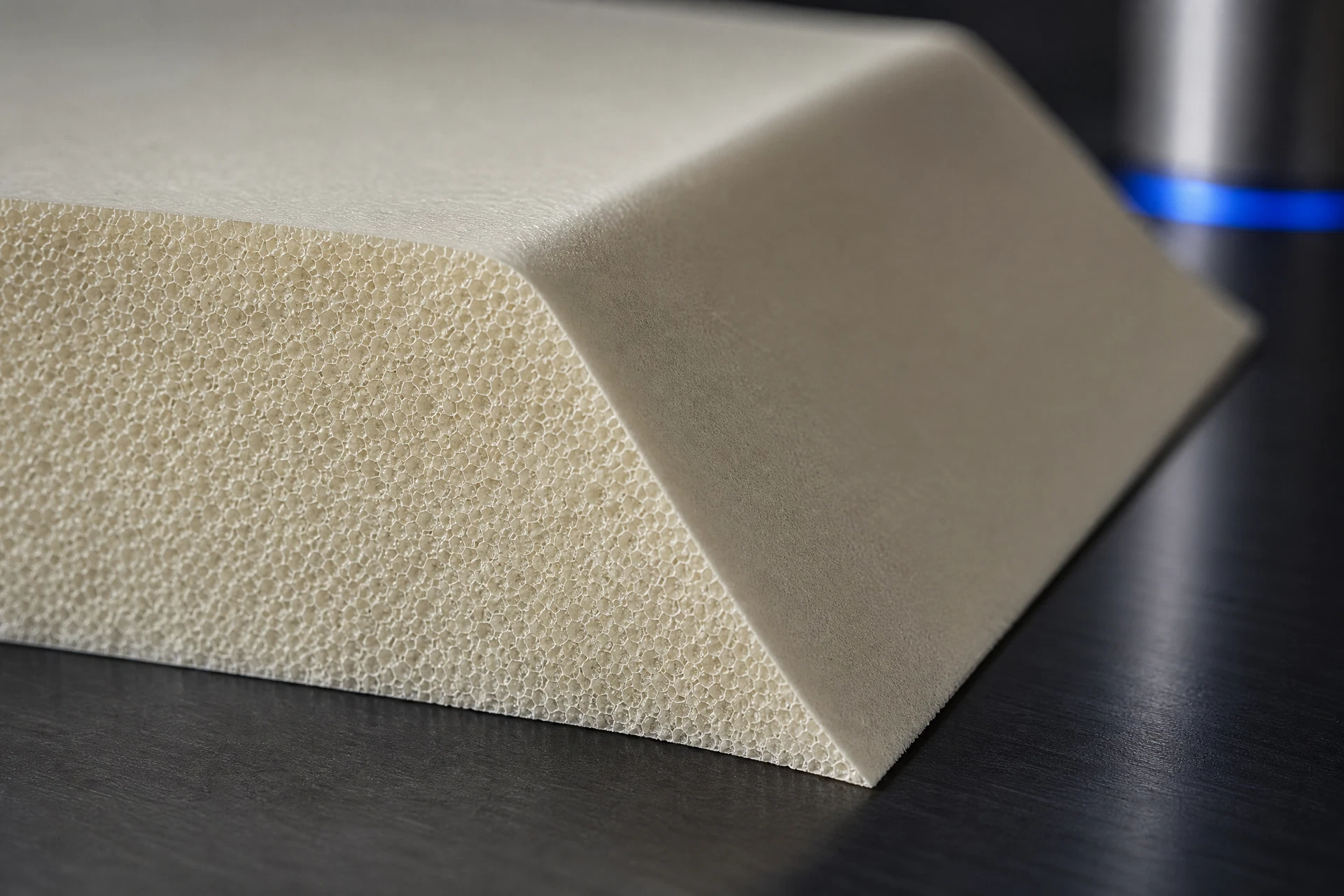
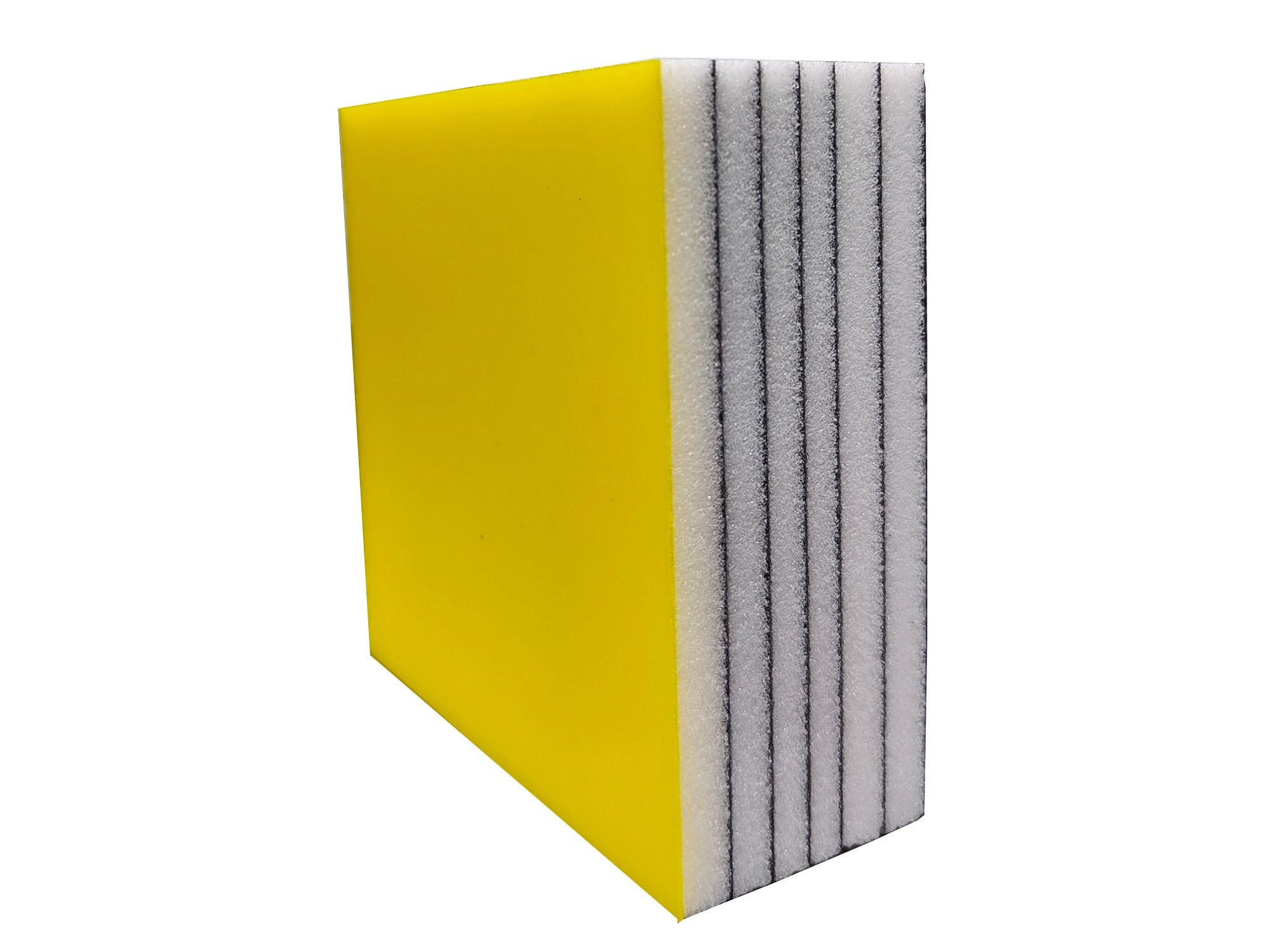
A sandwich panel contains facesheets, a core, interfaces, thickness, spans, edges, inserts and local geometry. These details determine whether a compression, shear, tensile or another property question is relevant. State the controlled component geometry and critical locations before treating any PMI foam field as a design input.
Connect the material question to the process route
Add the laminate, bonding, cure or assembly route to the material question. Temperature, pressure or vacuum context, tooling support and post-process handling can affect what must be reviewed. The correct technical request compares like-with-like documentation and asks what evidence is still needed for the finished construction.
Keep technical evidence within its stated boundary
The supplied PMI TDS offers named compression and shear fields for listed grades, but its figures are reference values rather than guarantees. Use the table to identify candidate material questions, then request the applicable document and project validation path before release or structural claim.
Related questions
Questions that make the next engineering conversation more useful.
01Can a compression value replace a shear review?
No. They are distinct documented fields. The relevant evidence depends on the component construction, geometry, interfaces and project requirement.
02What should be included in a sandwich-core data request?
Include the named grade direction, core thickness, facesheets, interfaces, component drawing, process context and the exact property or document needing confirmation.