
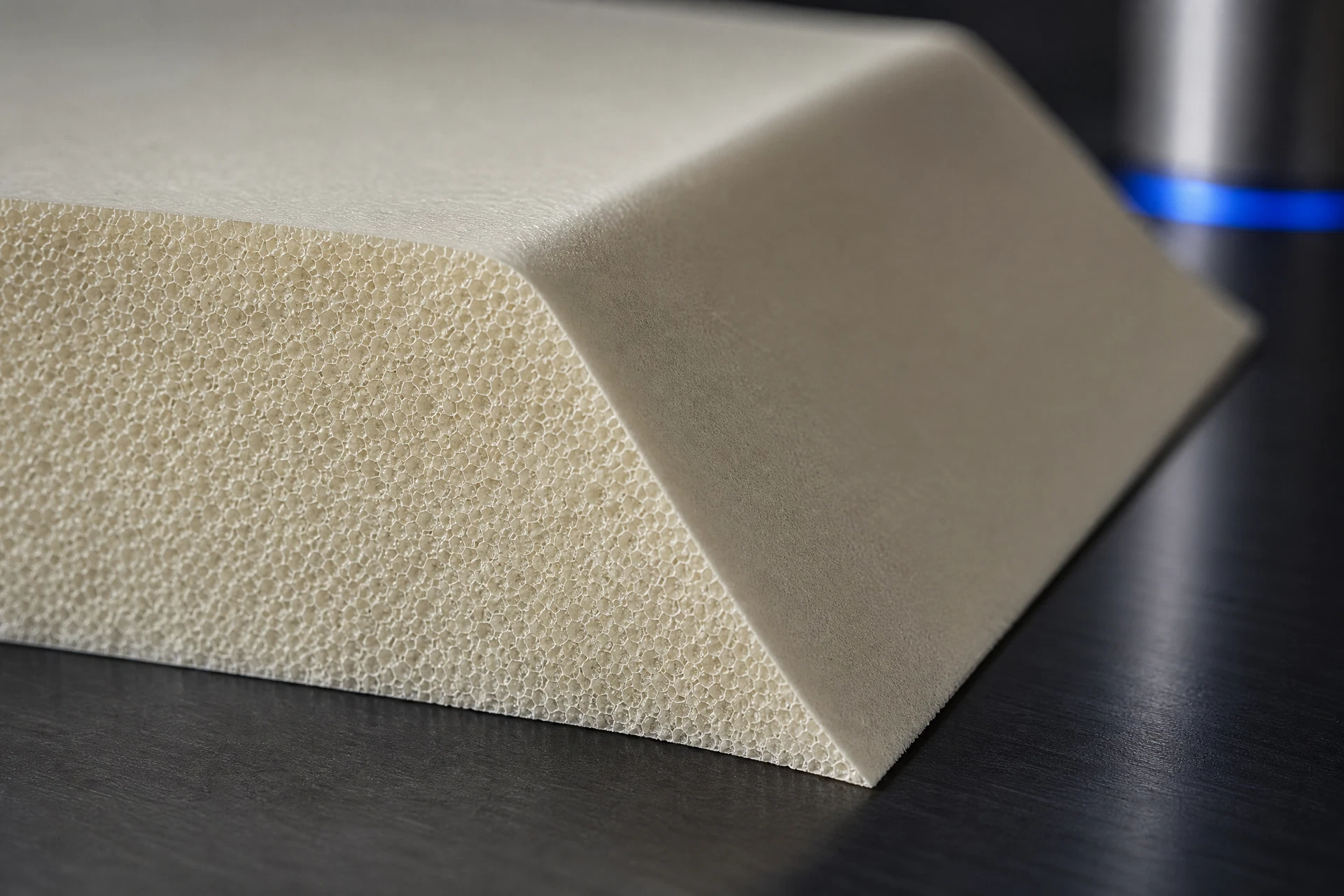
Specific engineering search intent
Component, geometry, and process context
Controlled material and test-data reading
Project-specific technical review
Engineering record
Component context
Core & geometry
Process & review
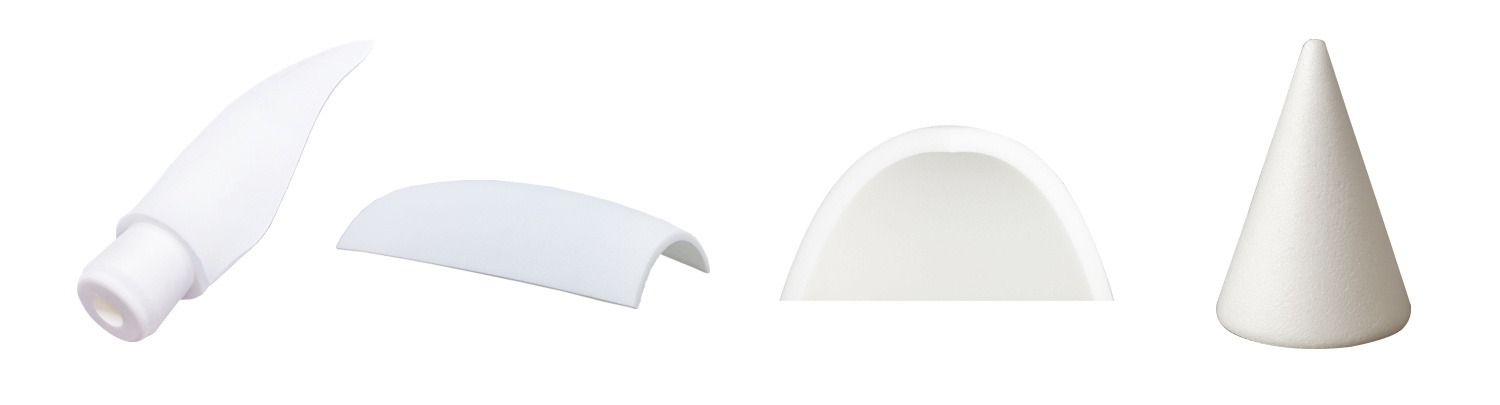
Start with the engineering decision
Treat the documented 190°C field as a typical reference value. It is useful only with its named series, test basis and source boundary. Temperature exposure, time, mechanical load, facesheets, bond lines and support condition remain part-specific questions that need separate confirmation.
Translate the component into a controlled core brief
A thin panel, curved shell, machined block and supported sandwich can experience very different thermal and mechanical conditions. Record the core thickness, spans, radii, inserts, interfaces and load path before using the F Series reference to frame a project discussion.
Connect the material question to the process route
Provide the candidate F Series grade, temperature-time profile, pressure or vacuum context, tooling, laminate or bonding details, geometry and required evidence. The reference table organizes the RFQ; it does not certify a process route.
Keep technical evidence within its stated boundary
The 190°C entry is a user-provided reference-document typical value. It is not a continuous-use warranty, a cure-cycle approval, a certified property or a design allowable. Confirm the applicable grade documentation and project validation path before release.
Related questions
Questions that make the next engineering conversation more useful.
01Does the F Series 190°C value approve a cure cycle?
No. A cure review also depends on time, pressure, tooling, geometry, interfaces and representative validation.
02What belongs in an F Series thermal enquiry?
State the grade, component drawing, dimensions, temperature profile, construction, process and the technical evidence that needs confirmation.