Specific engineering search intent
Component, geometry, and process context
Controlled material and test-data reading
Project-specific technical review
Engineering record
Component context
Core & geometry
Process & review
Start with the engineering decision
Identify the candidate material series as a reference starting point and retain the typical-data boundary. The material label should be evaluated beside curvature, thickness, support condition, finished interfaces and the process that follows preparation. Do not turn a generic series table into a forming or accuracy claim.
Translate the component into a controlled core brief
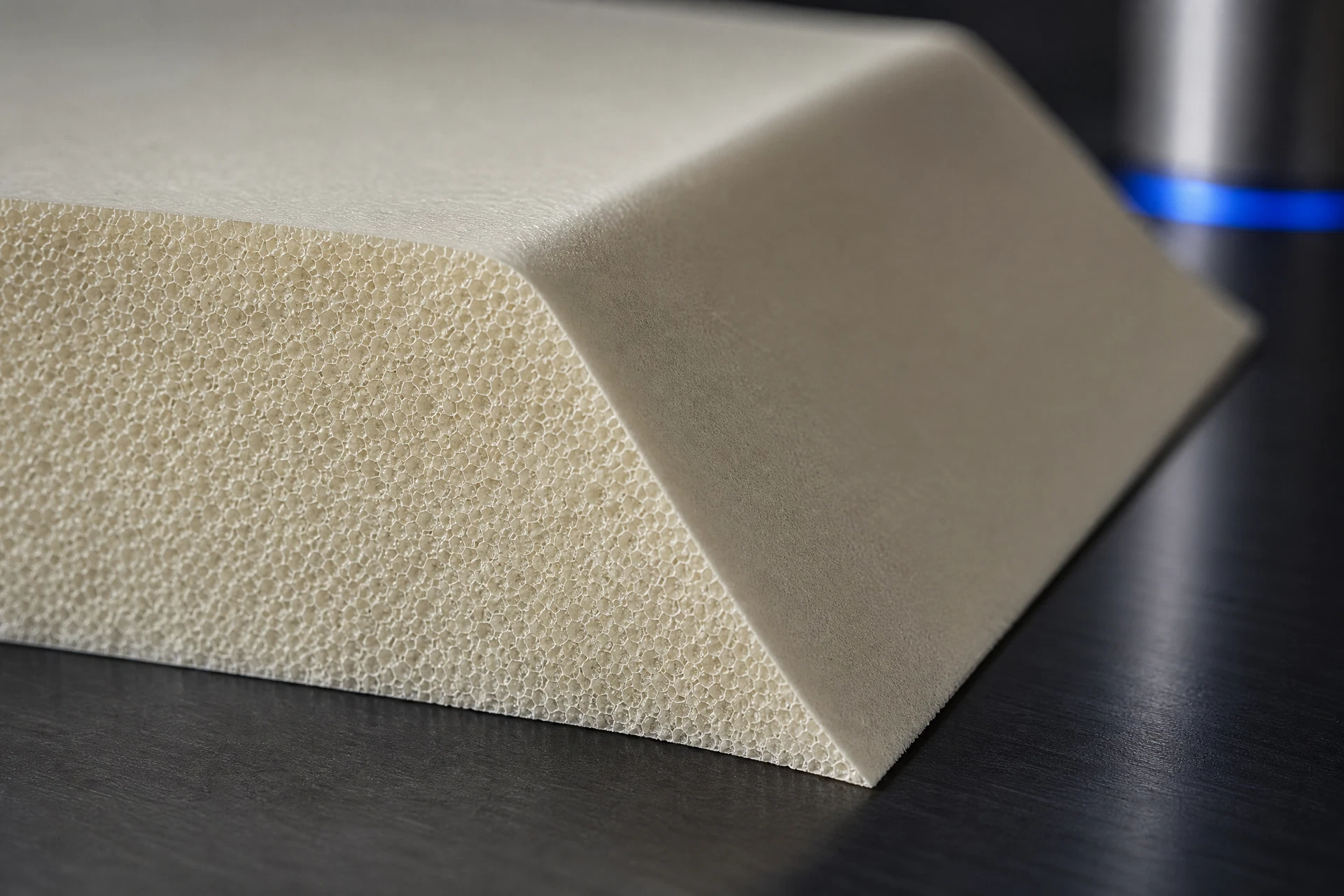
The CAD model should show single or double curvature, radii, transitions, local thickness, edge conditions, cut-outs and mating surfaces. These details help determine whether a sheet, block, CNC-prepared blank or another pathway needs review.
Connect the material question to the process route
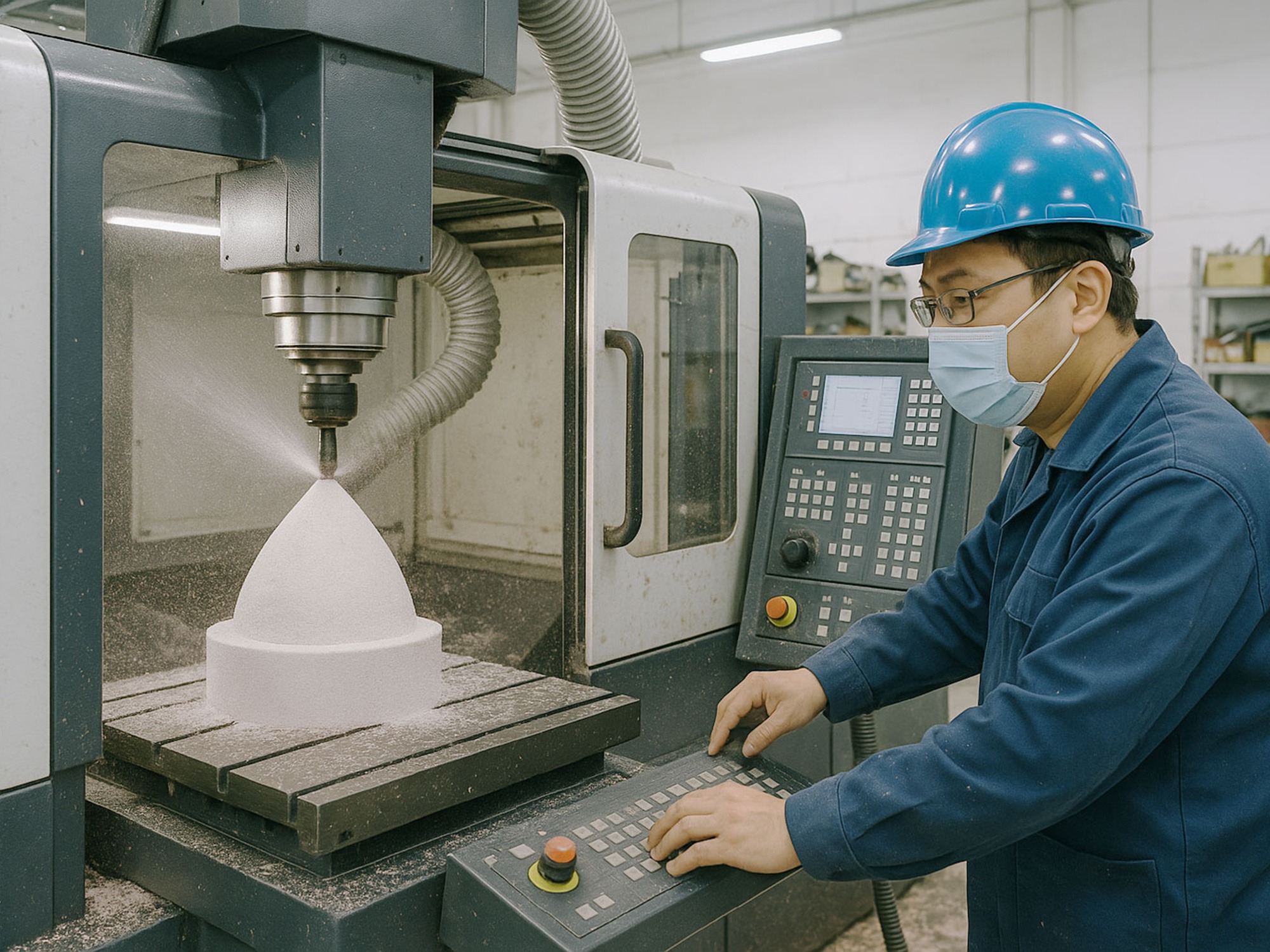
Describe tooling, temperature context, pressure or vacuum condition where relevant, machining sequence, laminate or bonding handoff and inspection need. The process route remains subject to the actual grade documentation and component validation.
Keep technical evidence within its stated boundary
Series-level values are user-provided reference-document typical values, not forming guarantees, process approvals or finished-part design data. Use them to request the right technical document and controlled project review.
Related questions
Questions that make the next engineering conversation more useful.
01Can a PMI series table approve a curved-core forming route?
No. Curvature, thickness, tooling, process and documentation must be reviewed for the actual component.
02What should a curved-core CAD package include?
Include controlling surfaces, radii, thickness, edge conditions, interfaces, tolerance notes and the intended manufacturing sequence.