
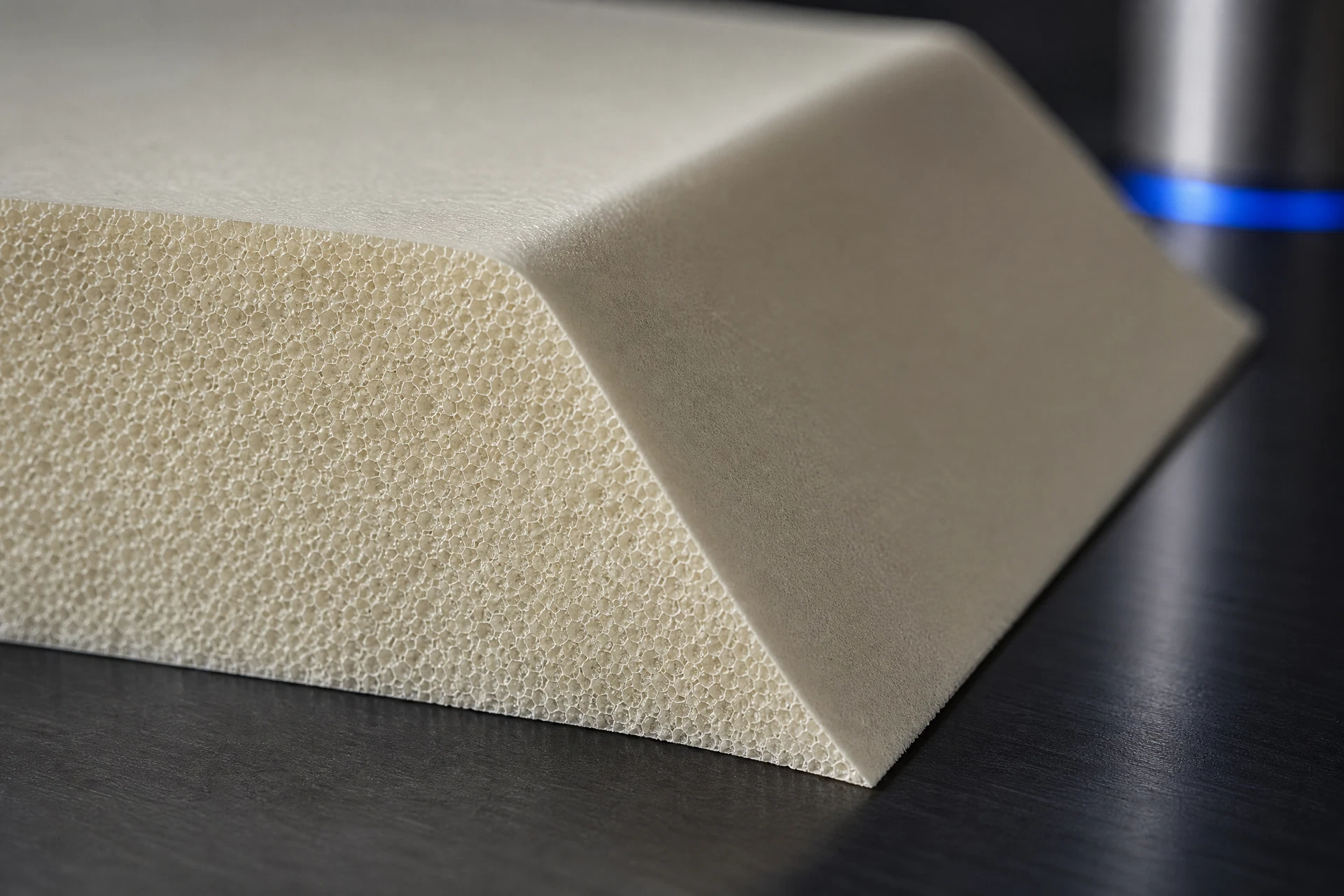
Specific engineering search intent
Drawing and geometry context
Process and handoff review
Controlled technical evidence
Engineering record
Component context
Core & geometry
Process & review

Define the engineering decision
The primary engineering decision is whether the requested sample can be defined clearly enough to support useful design or process learning. Reviewers compare the stated objective with material form, part architecture, datum strategy, feature access, edge conditions, inserts or interfaces, and any requested post-processing. Where information is incomplete, the handoff records assumptions and questions instead of inventing requirements. This creates a traceable basis for deciding what the sample should demonstrate and what remains subject to customer approval.
Translate the part into a controlled geometry brief
Geometry review centers on the controlled CAD model, drawing package, revision identifiers, units, coordinate system, and features that affect manufacture or inspection. Identify critical surfaces, thin regions, steps, radii, holes, cutouts, bond or interface areas, trim boundaries, and measurement access. If CAD and drawing information conflict, the discrepancy is documented for resolution before release. The sample definition should distinguish nominal design geometry from temporary features, inspection references, and any representative simplifications used for project validation.
Connect the material question to the process route
The process begins with RFQ or sample-request intake, package screening, and clarification of the sample objective. After the governing revision is confirmed, engineering maps geometry to a proposed manufacturing route, workholding or datum strategy, handling needs, and inspection plan. Review outputs may include marked-up questions, a controlled quote basis, sample documentation requirements, and a handoff package for production and quality teams. Changes after approval are managed through revision control so the physical sample and records remain aligned.
Keep technical evidence within its stated boundary
Evidence for the sample request is limited to the supplied design data, approved revisions, documented assumptions, inspection records, and project-specific validation results. No unverified performance value, fixed tolerance, equipment capability, certification, RF behavior, chemical conclusion, inventory position, delivery promise, or customer outcome is implied. Measurements and observations are interpreted against the agreed sample definition and acceptance criteria. If the sample is exploratory, the record states its validation boundary and identifies which future testing or qualification activities remain necessary.
Related questions
Questions that make the next engineering conversation more useful.
01What should I include with a PMI foam core sample request?
Provide the latest CAD and drawings, revision history, material or construction intent, sample purpose, key interfaces, target inspection points, and known acceptance criteria. Include related process notes or test plans where available; unresolved items can be logged for engineering review rather than assumed.
02How are drawing revisions and sample changes controlled?
The review identifies the governing CAD and drawing revisions before handoff. Questions, assumptions, marked-up documents, and approved changes are recorded against that baseline. A later design change is evaluated as a new revision so geometry, process planning, inspection records, and validation evidence remain traceable.