
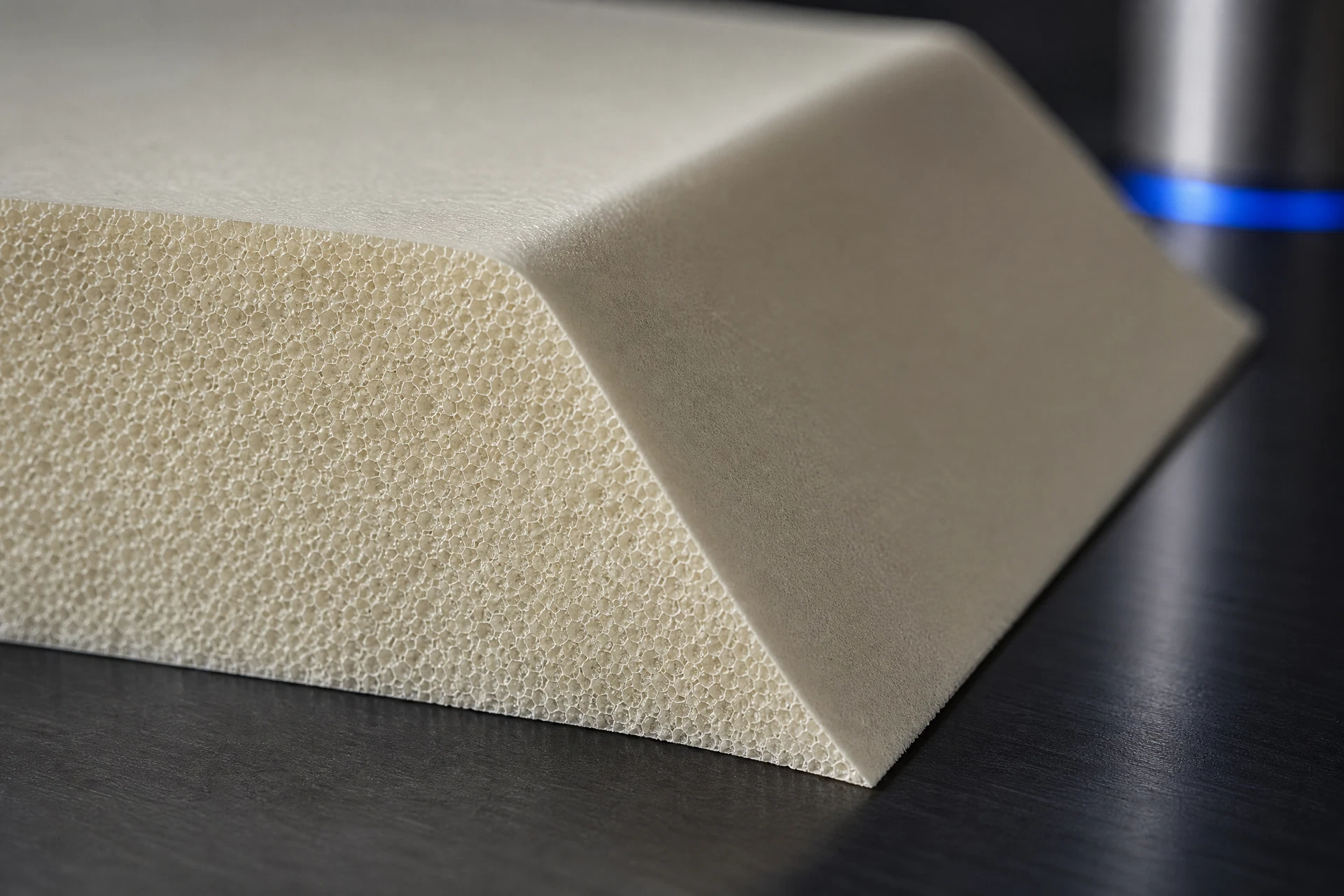
Specific engineering search intent
Drawing and geometry context
Process and handoff review
Controlled technical evidence
Engineering record
Component context
Core & geometry
Process & review
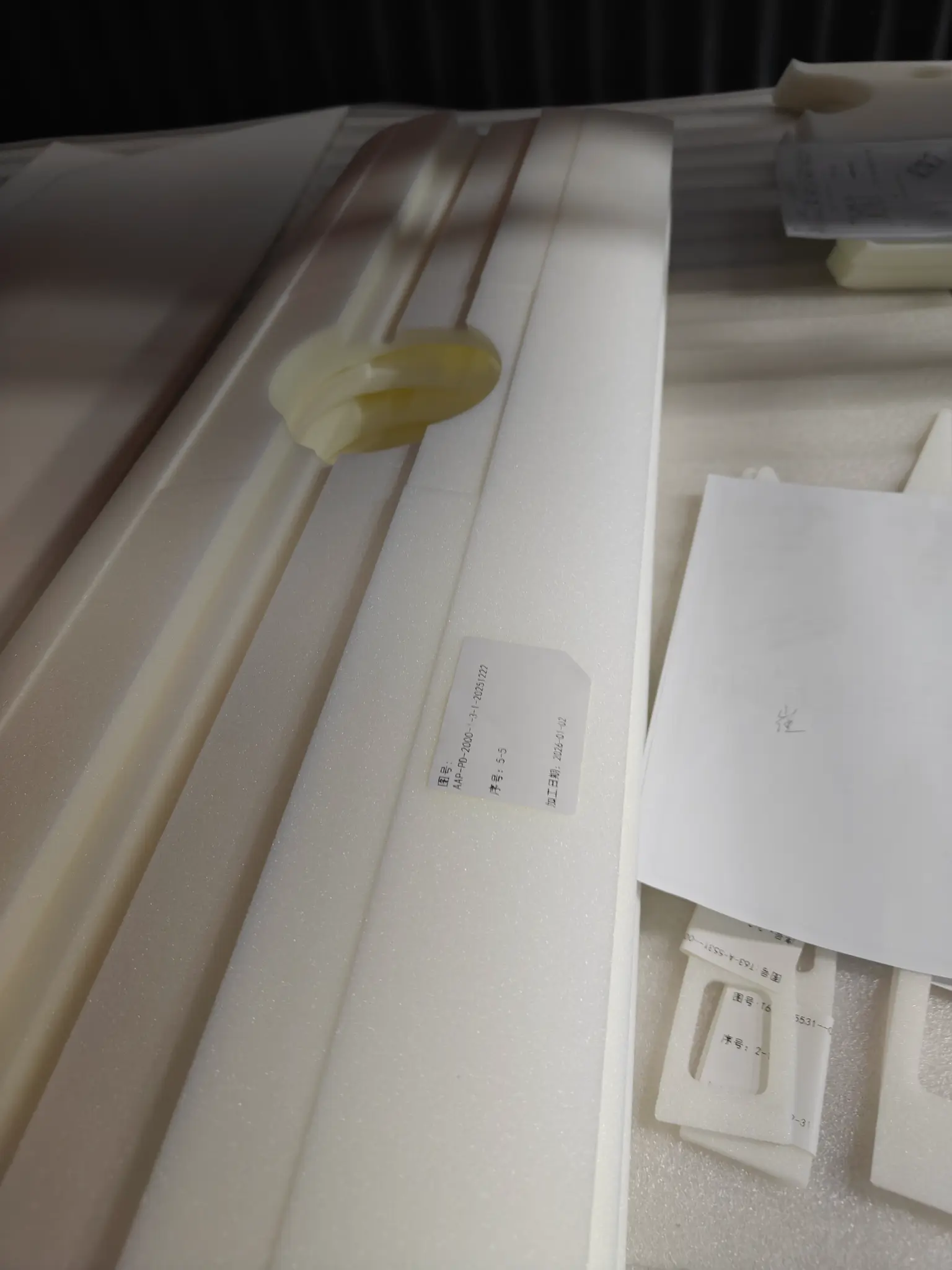
Define the engineering decision
The engineering decision is whether the prototype can be produced and evaluated against the current definition, or whether clarification is needed before release. Review attention may include thin features, pockets, edge conditions, access, datum strategy, machining allowances, and areas where the model and drawing differ. Any proposed adjustment remains subject to customer approval and revision control. The outcome is a documented basis for prototype manufacture, inspection, and the next learning cycle—not a guarantee of production readiness or end-use performance.
Translate the part into a controlled geometry brief
Geometry planning begins with the controlled CAD revision and applicable drawing, including units, coordinate references, datums, section views, notes, and explicitly identified critical features. The review records ambiguities such as incomplete edge treatment, undefined interfaces, conflicting dimensions, or geometry that requires interpretation. PMI foam behavior during handling and machining is considered as a process-planning input, while material-specific conclusions remain outside this page unless defined and verified for the project. Approved geometry changes are versioned before manufacture.
Connect the material question to the process route
The handoff links prototype brief, controlled files, review comments, process planning, and inspection requirements in a traceable sequence. After file and revision confirmation, the team aligns the machining approach with the accessible geometry and intended learning questions. Manufacturing records capture relevant process observations and any approved deviations. Inspection is planned against the supplied definition and agreed measurement method, with results linked to the part revision. Findings then return to the design team for a controlled update, repeat prototype, or verification decision.
Keep technical evidence within its stated boundary
Evidence may include file and revision identifiers, drawing-review notes, setup or process records, inspection outputs, photographs where useful, nonconformance or deviation records, and a comparison of observed conditions against the approved definition. These records establish what was reviewed and learned; they do not establish universal material properties, RF behavior, chemical resistance, certification status, fixed tolerances, or guaranteed service performance. Verification conclusions remain bounded by the agreed geometry, inspection method, prototype purpose, and available project data. This page does not establish a universal material property, process approval, commercial commitment, acceptance decision or customer outcome; the active controlled project record governs the decision.
Related questions
Questions that make the next engineering conversation more useful.
01What should be included in a CNC PMI foam prototype RFQ?
Provide the controlled CAD and drawing revision, material designation, quantities, reference datums, inspection expectations, prototype objective, and known interfaces or critical features. Include the learning questions the prototype should answer so review comments and evidence can be tied to the project decision.
02How are prototype findings carried into the next design revision?
Findings are linked to the manufactured revision through review notes, process observations, inspection results, and approved deviations. The project team can then decide whether to clarify the drawing, revise geometry, repeat the prototype, or proceed to a separate verification activity.