
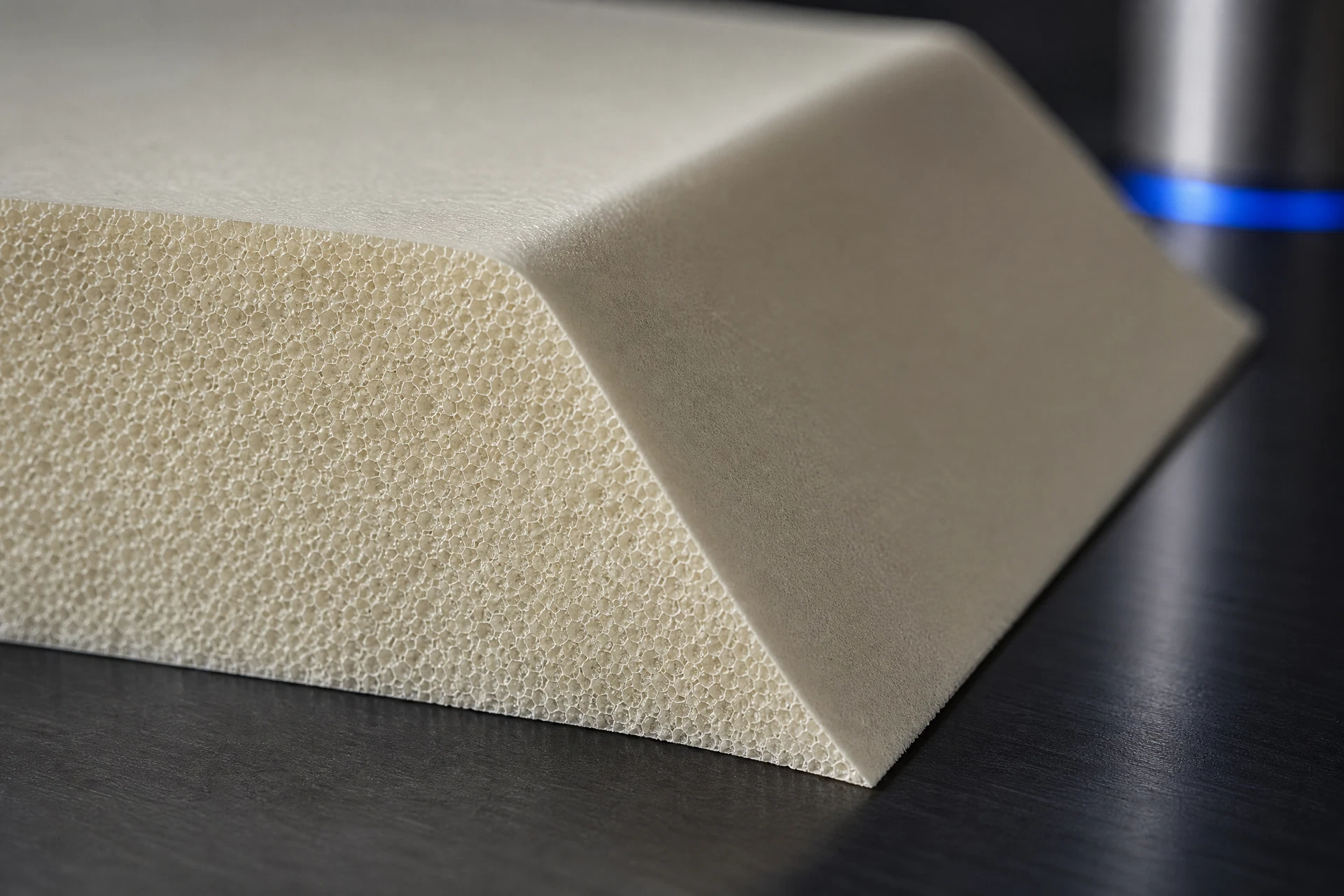
Specific engineering search intent
Drawing and geometry context
Process and handoff review
Controlled technical evidence
Engineering record
Component context
Core & geometry
Process & review
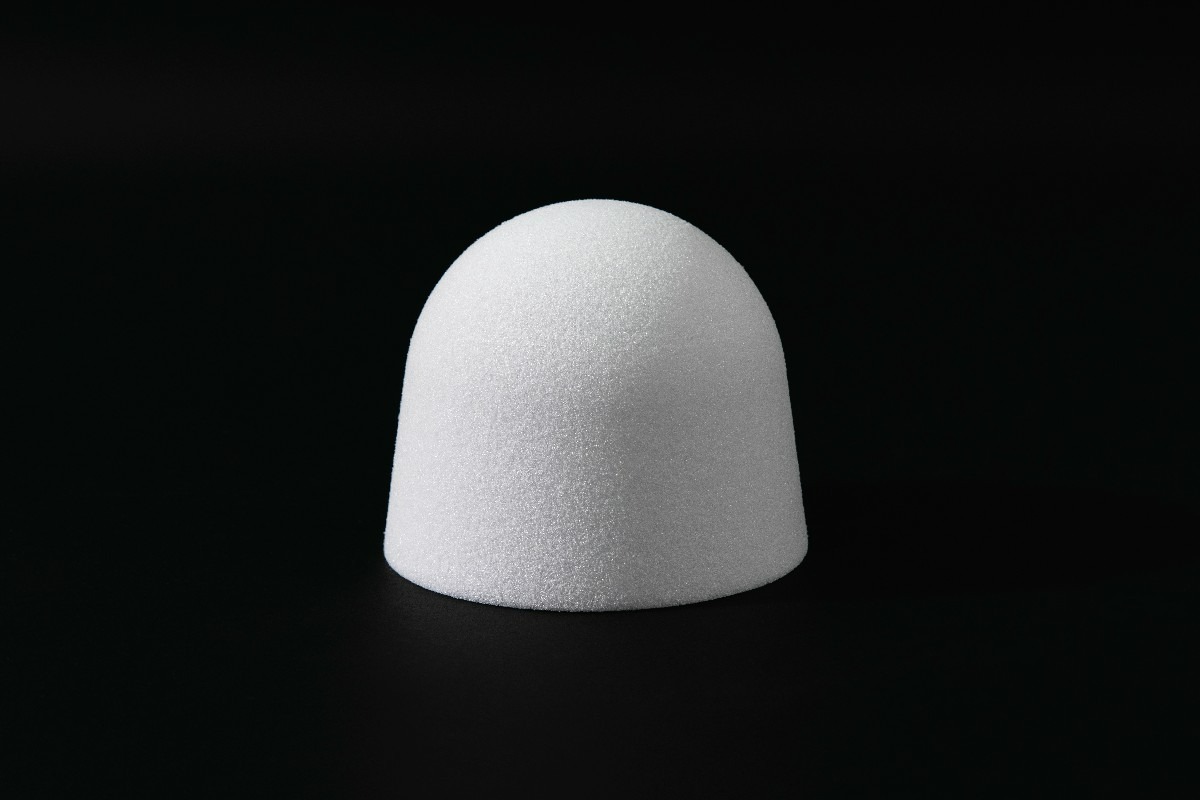
Define the engineering decision
Select a preparation route only after the design intent, laminate interface, joining method, and manufacturing sequence are understood. The engineering decision should distinguish required geometry from process-created features and identify which parameters need controlled work instructions. CoreMatrix Materials can help structure the review around part definition, surface condition, handling, inspection, and traceable documentation. A project decision remains conditional until the applicable PMI grade, released drawings, process records, and validation results have been reviewed by the responsible engineering and quality teams.
Translate the part into a controlled geometry brief
Geometry review should establish the finished core envelope, datum scheme, local contours, edge treatments, cutouts, steps, tapers, and any features that affect surface access or composite fit. Drawings should identify preparation zones and distinguish nominal design geometry from material-removal or masking requirements. Where digital models are used, the handoff should define revision status, coordinate references, feature naming, and inspection expectations. Any proposed geometry-dependent operation should be checked against the released drawing and confirmed on representative project parts before production use.
Connect the material question to the process route
A practical handoff begins with drawing and grade review, followed by a documented preparation plan and defined inspection points. The plan may cover incoming identification, fixturing or support, preparation sequence, cleaning or handling controls where specified by the project, visual checks, dimensional verification, and nonconformance escalation. Each operation should have an owner, revision-controlled instruction, and record format. Process acceptance should be demonstrated using project-relevant samples or parts, with changes routed through the agreed engineering review rather than treated as informal shop-floor adjustments.
Keep technical evidence within its stated boundary
Evidence should be requested according to the decision being made: released drawings and models, applicable PMI grade documentation, material traceability, preparation instructions, inspection records, sample or first-article observations, and project-specific validation results. This page does not establish universal surface, dimensional, or process limits. It also does not infer performance, certification, chemical compatibility, or suitability from a material name alone. Any conclusion about use should remain bounded by the supplied documentation, the approved process, and verification under the actual geometry and manufacturing conditions.
Related questions
Questions that make the next engineering conversation more useful.
01What information is needed to review PMI foam surface preparation?
Provide the released drawing or model, selected PMI grade, target surface condition, downstream assembly sequence, preparation constraints, inspection method, and available process records. The review can then separate confirmed requirements from items that require project-specific trials or engineering approval.
02How is a PMI foam preparation process validated for a project?
Validation should use representative geometry and the applicable material grade, with documented preparation steps, inspection results, and review of any deviations. Acceptance criteria must come from the project documentation and responsible engineering team, not from generic assumptions about foam preparation.