
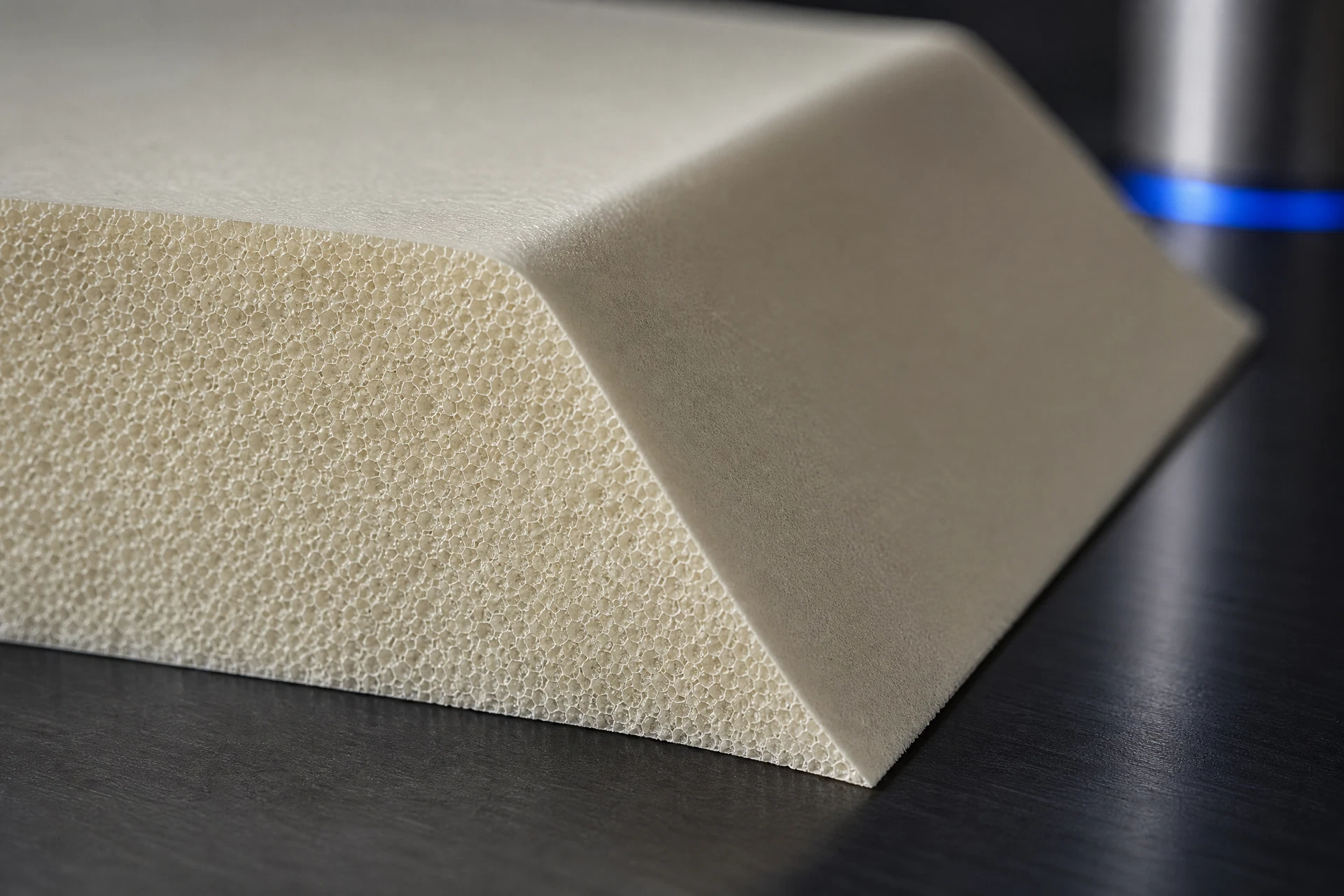
Specific engineering search intent
Drawing and geometry context
Process and handoff review
Controlled technical evidence
Engineering record
Component context
Core & geometry
Process & review
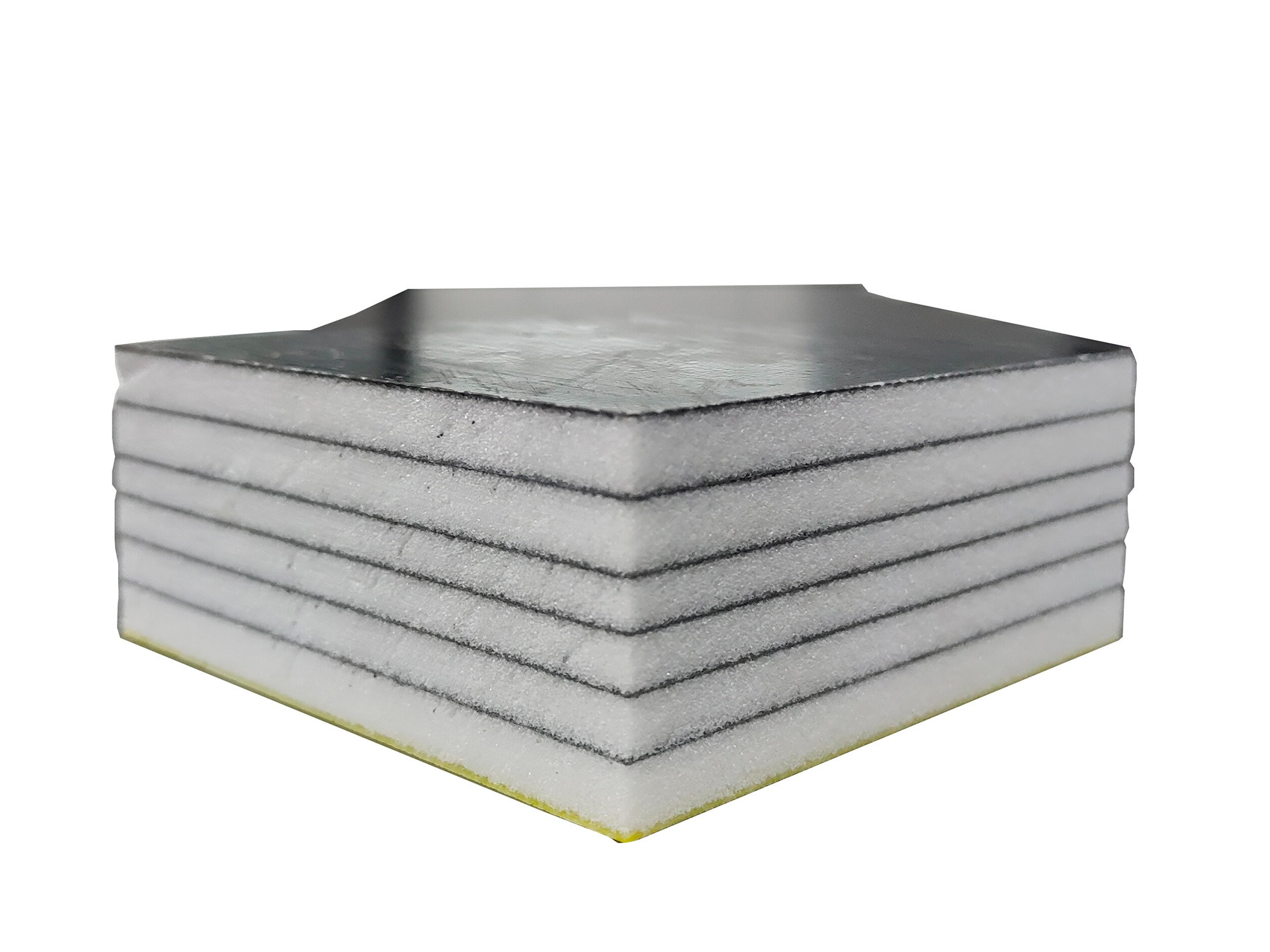
Define the engineering decision
The engineering decision is whether the proposed inspection plan can demonstrate conformity to the current PMI foam part definition. Review covers drawing status, model-to-drawing alignment, datum strategy, feature criticality, material and process notes, measurement access, and disposition rules for nonconforming observations. Acceptance criteria remain project-specific and are taken from the controlled customer data or agreed clarification record. If a requirement is ambiguous, the issue is surfaced for resolution rather than replaced with an assumed tolerance, material conclusion, or unverified capability claim.
Translate the part into a controlled geometry brief
Geometry review examines the PMI foam model and drawing as one controlled definition. The team checks revision identifiers, units, coordinate references, datum intent, section views, pockets, thin regions, radii, edge conditions, and inspection access. Features are grouped by functional or risk significance so the inspection sequence reflects how the part will be used and measured. Any mismatch between native CAD, neutral export, drawing dimensions, notes, or marked-up review files is recorded for clarification before acceptance planning proceeds.
Connect the material question to the process route
The workflow begins with receipt of the controlled CAD, drawing package, applicable process notes, and purchase requirements. Engineering then creates a characteristic-focused inspection plan, identifies measurement methods and setup references, and confirms the document revision used for manufacture and inspection. At handoff, the plan, review questions, inspection records, and disposition path are linked to the same part and revision. Procurement receives a clear evidence request for RFQ comparison without implying fixed lead time, capacity, equipment, certification, or standard acceptance outside the project definition.
Keep technical evidence within its stated boundary
Evidence may include the released drawing and CAD revision, inspection-plan worksheet, setup or datum references, measurement records, annotated results, deviation logs, and approval or disposition notes. The evidence boundary is explicit: records demonstrate comparison against defined project requirements, not universal PMI foam performance, fixed tolerances, certification status, chemical or RF conclusions, inventory, delivery, or production capacity. Additional validation, sampling, environmental review, or functional checks are included only when required by the controlled specification or agreed project verification plan.
Related questions
Questions that make the next engineering conversation more useful.
01What does a PMI foam machining inspection plan verify?
It verifies selected drawing and CAD characteristics against the current controlled revision, using documented datums, measurement methods, and acceptance criteria. The plan can also identify ambiguities, access limitations, and required project validation without assuming universal tolerances or material performance.
02Can the quality review support a PMI foam machining RFQ?
Yes. A controlled inspection and evidence request helps suppliers interpret the same geometry, revision, process notes, and acceptance intent. RFQ comparisons should remain tied to the supplied project definition and should not infer equipment, capacity, certification, inventory, or delivery commitments.