Specific engineering search intent
Drawing and geometry context
Process and handoff review
Controlled technical evidence
Engineering record
Component context
Core & geometry
Process & review
Define the engineering decision
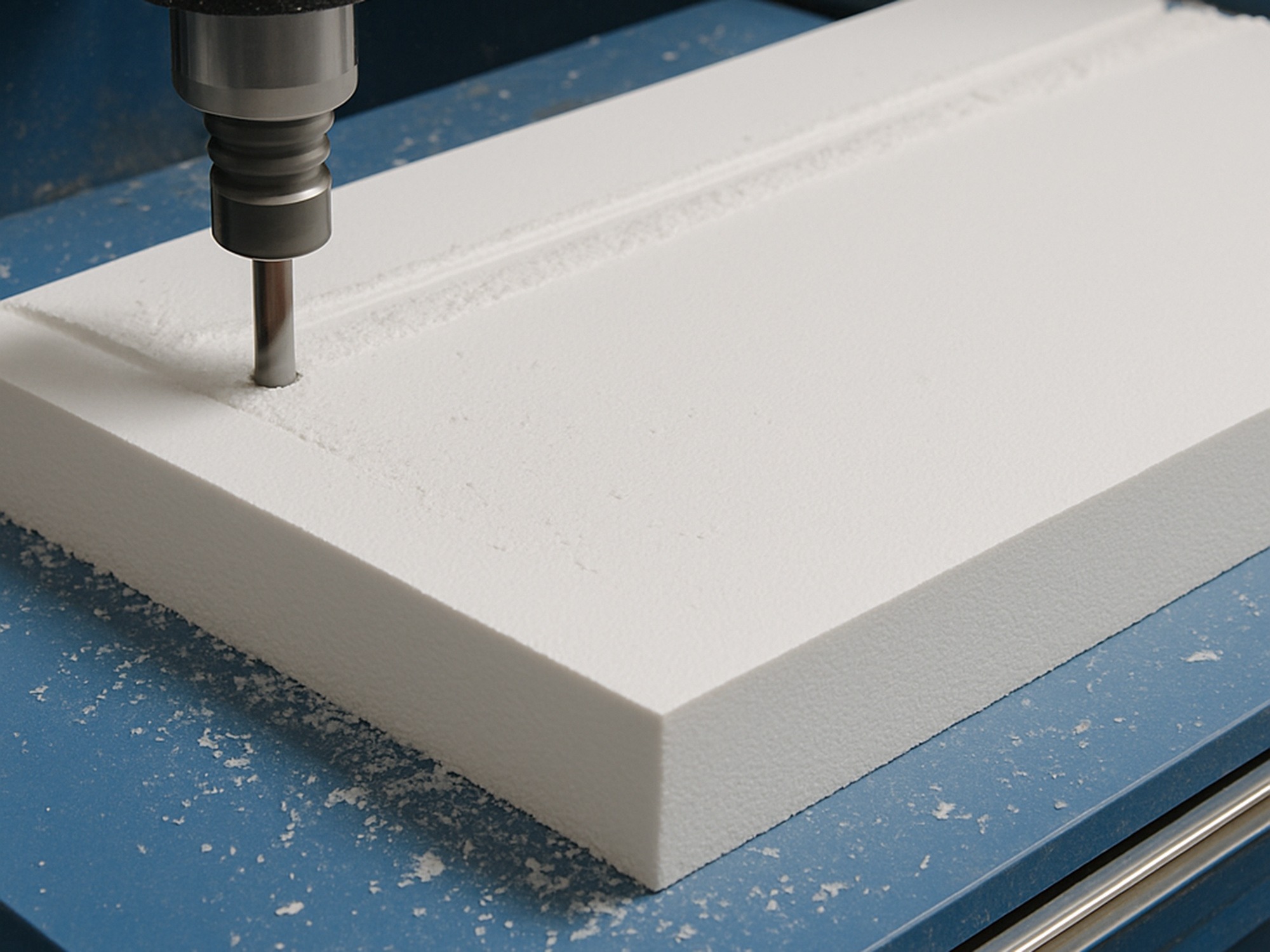
The engineering decision is whether the supplied definition supports a controlled CNC process review for PMI foam geometry and dust-extraction considerations. Review inputs may include part envelope, thin sections, pockets, access conditions, datum strategy, surface requirements, containment expectations, and downstream handling constraints. Any open point is recorded rather than filled with an assumption. The resulting decision identifies questions for drawing clarification, process planning, inspection, and RFQ comparison, while avoiding unsupported claims about dust capture, material behavior, regulatory status, or finished-part performance.
Translate the part into a controlled geometry brief
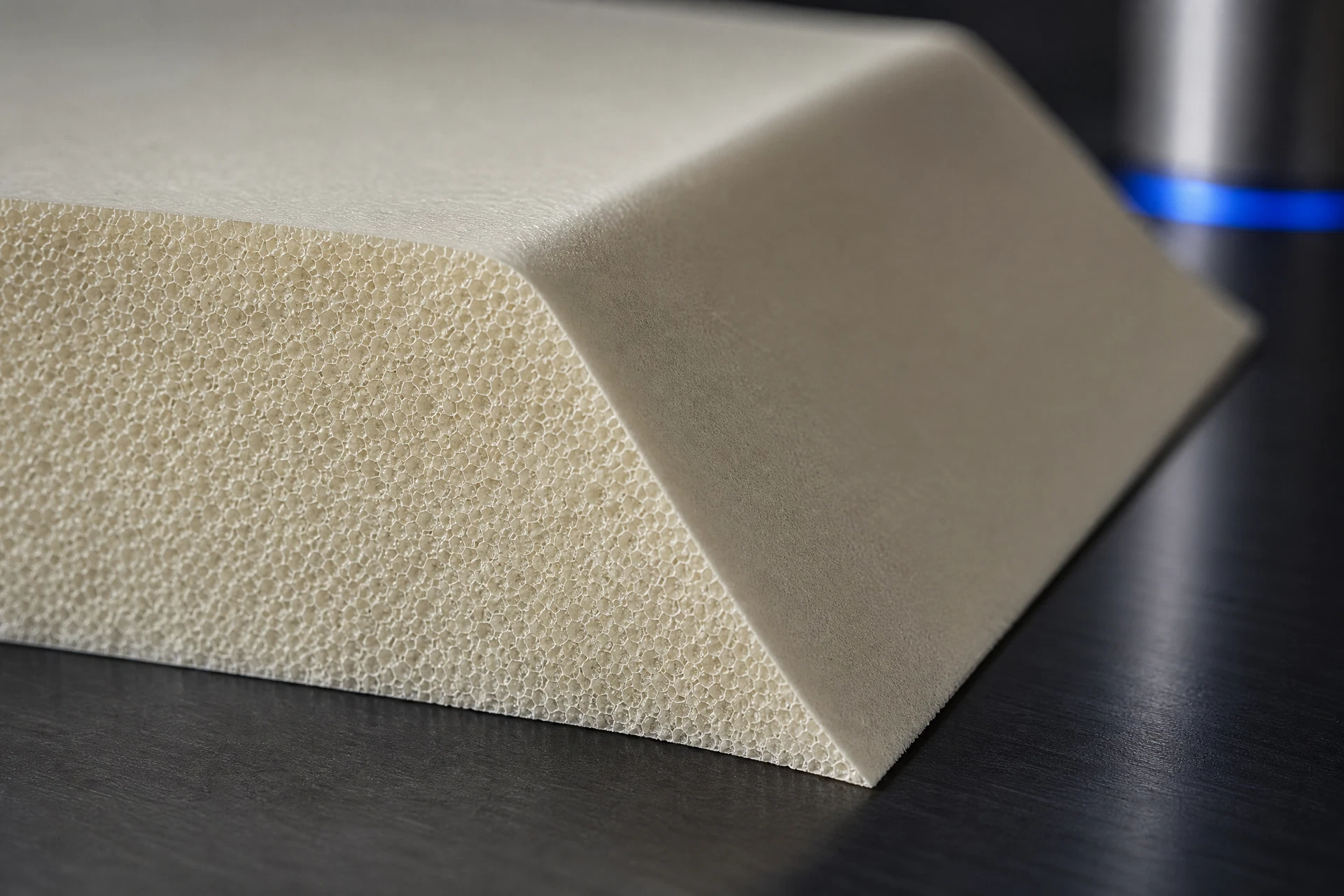
Geometry review covers the PMI foam model and the drawing characteristics that influence work-area control: enclosed or open features, deep pockets, narrow channels, edge conditions, tool access, orientation, datum references, and areas where dust could affect visibility or handling. CoreMatrix Materials checks that the model, drawing, and referenced files describe the same revision and manufacturing intent. Where a feature cannot be verified from the supplied definition, it remains a documented review item. No fixed dimensional tolerance or surface outcome is implied without controlled drawing requirements.
Connect the material question to the process route
The process begins with receipt and identification of the controlled CAD, drawings, material notes, revision history, and RFQ scope. Engineering then records the PMI foam machining context, work-area assumptions, dust-control discussion points, inspection characteristics, and required handoff artifacts. Clarifications are separated from confirmed requirements before a process route or quotation basis is prepared. Manufacturing documentation can be aligned to the approved revision, while inspection planning defines what evidence must be generated. Any prototype or first-article activity remains subject to project authorization and validation criteria.
Keep technical evidence within its stated boundary
Evidence is limited to the documents and observations authorized for the specific project. It may include revision-controlled CAD and drawings, requirement review records, marked-up clarification logs, process-planning notes, inspection records, photographs where permitted, and approved verification results. These artifacts do not establish universal PMI foam behavior, extraction efficiency, chemical compatibility, RF performance, certification, inventory, capacity, or delivery timing. Final acceptance depends on the agreed drawing, inspection method, sample or prototype plan, and documented project criteria.
Related questions
Questions that make the next engineering conversation more useful.
01What should be included when requesting a PMI foam dust extraction machining review?
Provide the controlled CAD model, current drawing revision, material and work-area notes, critical features, datum requirements, inspection expectations, and RFQ scope. If dust handling or containment is important, describe the requirement and its boundary; do not rely on an assumed performance value or undocumented process condition.
02How does CoreMatrix Materials validate a PMI foam CNC process before quotation or production?
The team reconciles CAD, drawings, revisions, geometry, material notes, process assumptions, and inspection needs, then records gaps for clarification. Quotation or production decisions remain tied to approved project documents and agreed verification activities, rather than generic tolerances, machine claims, certifications, or unverified customer outcomes.