
Specific engineering search intent
Drawing and geometry context
Process and handoff review
Controlled technical evidence
Engineering record
Component context
Core & geometry
Process & review
Define the engineering decision
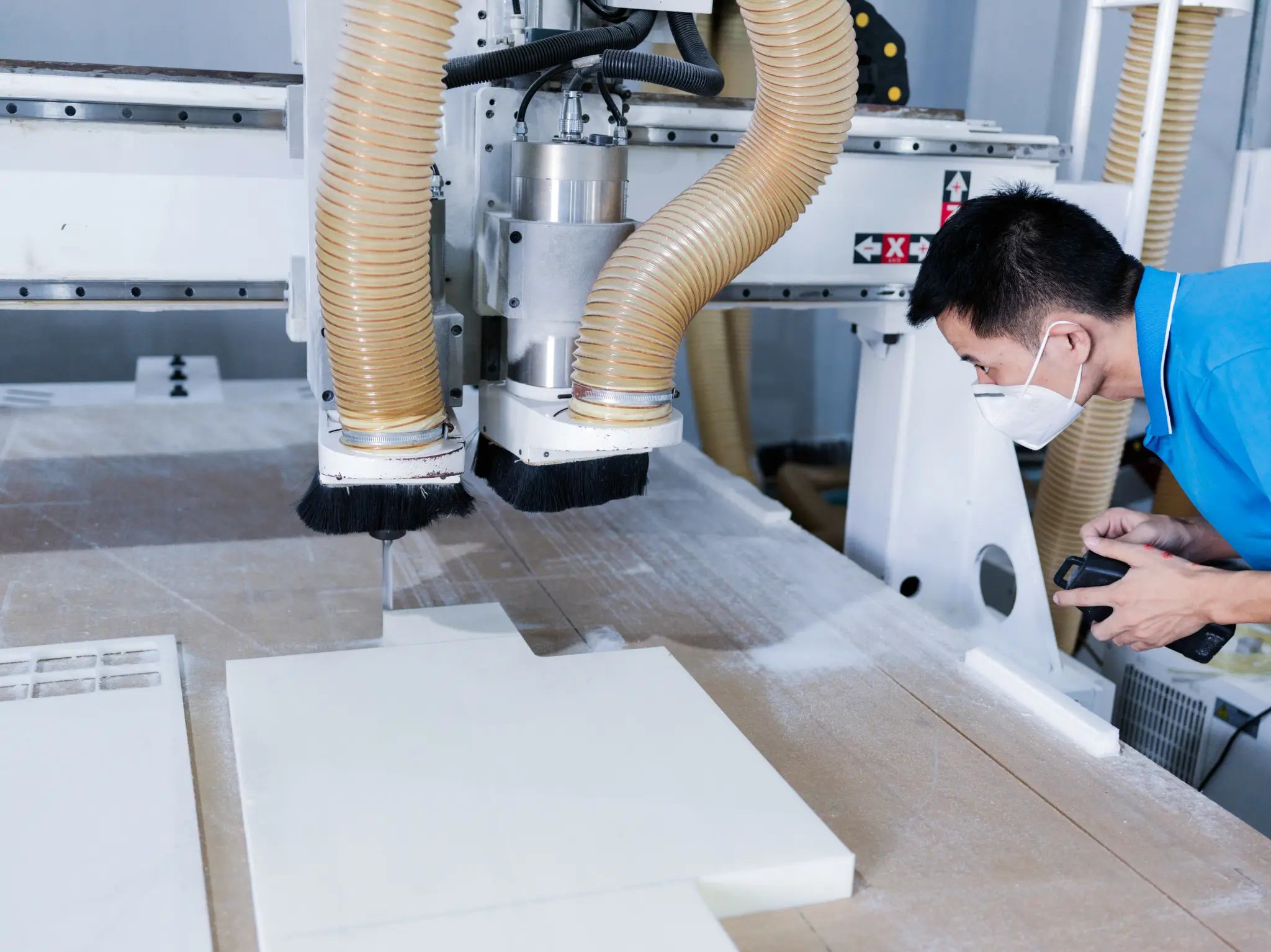
Tool selection is treated as an engineering decision tied to the part and its approved documentation. Review topics may include cutting approach, edge access, feature sequence, support strategy, workholding considerations, and how the selected process will be evaluated. CoreMatrix Materials compares alternatives against the controlled drawing, revision history, material specification, and required inspection evidence. Any unresolved condition—such as incomplete geometry, unclear datum structure, or an unapproved change—remains an explicit question rather than an unstated assumption in the RFQ.
Translate the part into a controlled geometry brief
The geometry review checks the controlled CAD file against the drawing and identifies thin sections, pockets, contours, radii, transitions, openings, trim boundaries, and areas where tool access may influence the process. Revision identifiers and file relationships are recorded so manufacturing review uses the intended dataset. Datum references, critical characteristics, surface requirements, and inspection locations are clarified before validation planning. The review does not invent tolerances or infer material, RF, or chemical conclusions from geometry alone; those boundaries remain subject to approved documentation and project-specific evidence.
Connect the material question to the process route
The process begins with RFQ intake, document control, and a structured review of CAD, drawings, material information, and requested quantities or validation scope. Engineering questions are logged before a tool path or cutting strategy is proposed. A validation plan can define sample geometry, setup assumptions, process observations, inspection methods, and acceptance criteria supplied or approved by the customer. Handoff records preserve revision status, decisions, deviations, and required deliverables so purchasing and quality teams can evaluate the same controlled information.
Keep technical evidence within its stated boundary
Validation evidence is limited to the data generated or approved for the specific project. Depending on scope, records may include reviewed file names and revisions, tool-selection rationale, process notes, inspection results, photographs or measurement references, and documented deviations. Results are not presented as universal performance claims, fixed tolerances, certification evidence, or guaranteed production outcomes. If the available information cannot support a conclusion, CoreMatrix Materials identifies the gap and requests clarification, revised files, or an agreed verification step before relying on it.
Related questions
Questions that make the next engineering conversation more useful.
01What information is needed to review PMI foam cutting tool options?
Provide the controlled CAD model, current drawing revision, material definition, feature requirements, inspection expectations, and intended validation scope. Useful context also includes access constraints, datum requirements, and any known process concerns. CoreMatrix Materials records missing information as review questions rather than making unsupported assumptions.
02How is PMI foam cutting process validation documented?
Validation is documented against the approved project dataset and agreed criteria. Records may connect tool-selection reasoning, process observations, inspected characteristics, measurement references, revisions, and deviations. The resulting evidence is project-specific and does not imply universal tolerances, equipment capability, certification, chemical performance, or production results.