
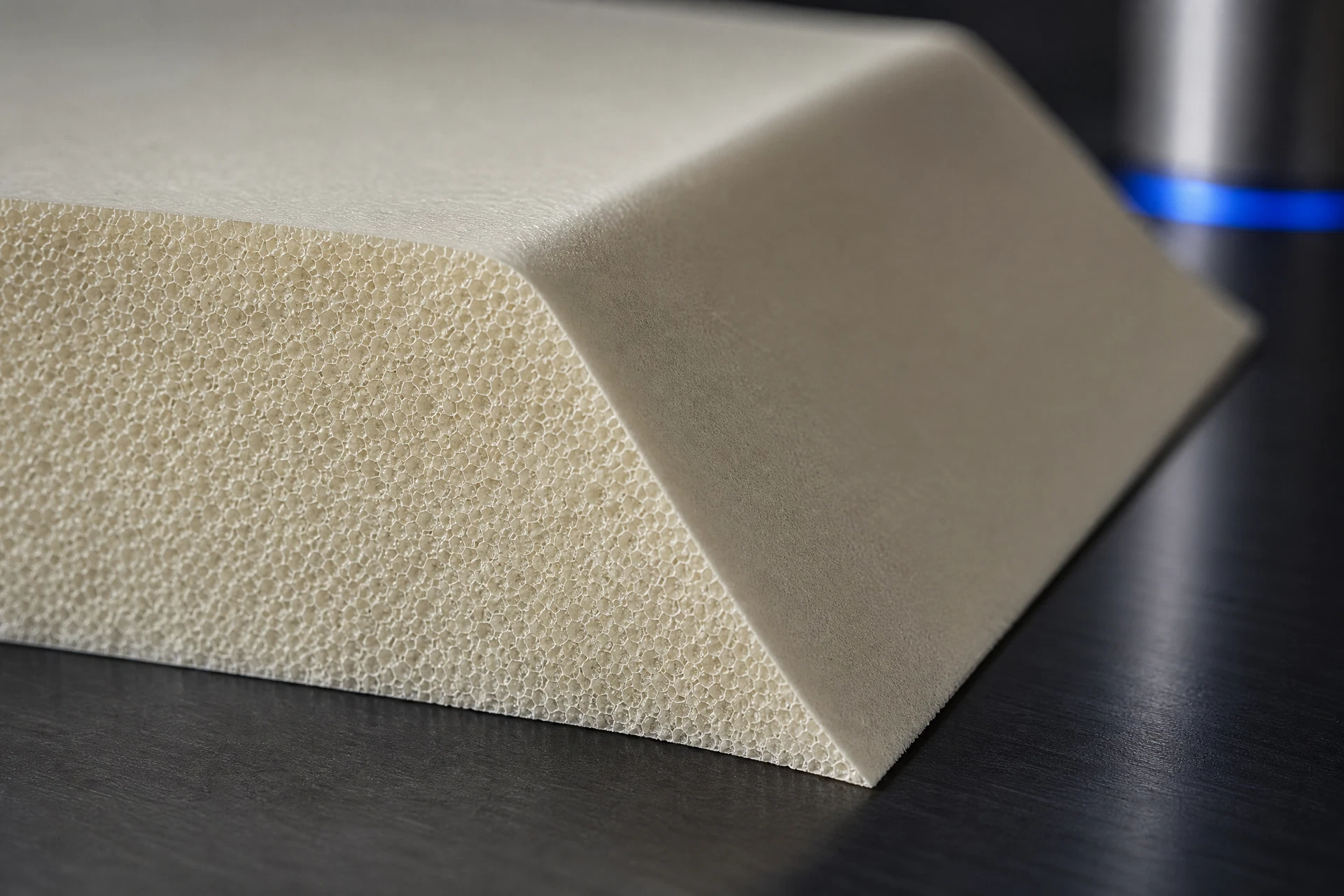
Specific engineering search intent
Drawing and geometry context
Process and handoff review
Controlled technical evidence
Engineering record
Component context
Core & geometry
Process & review
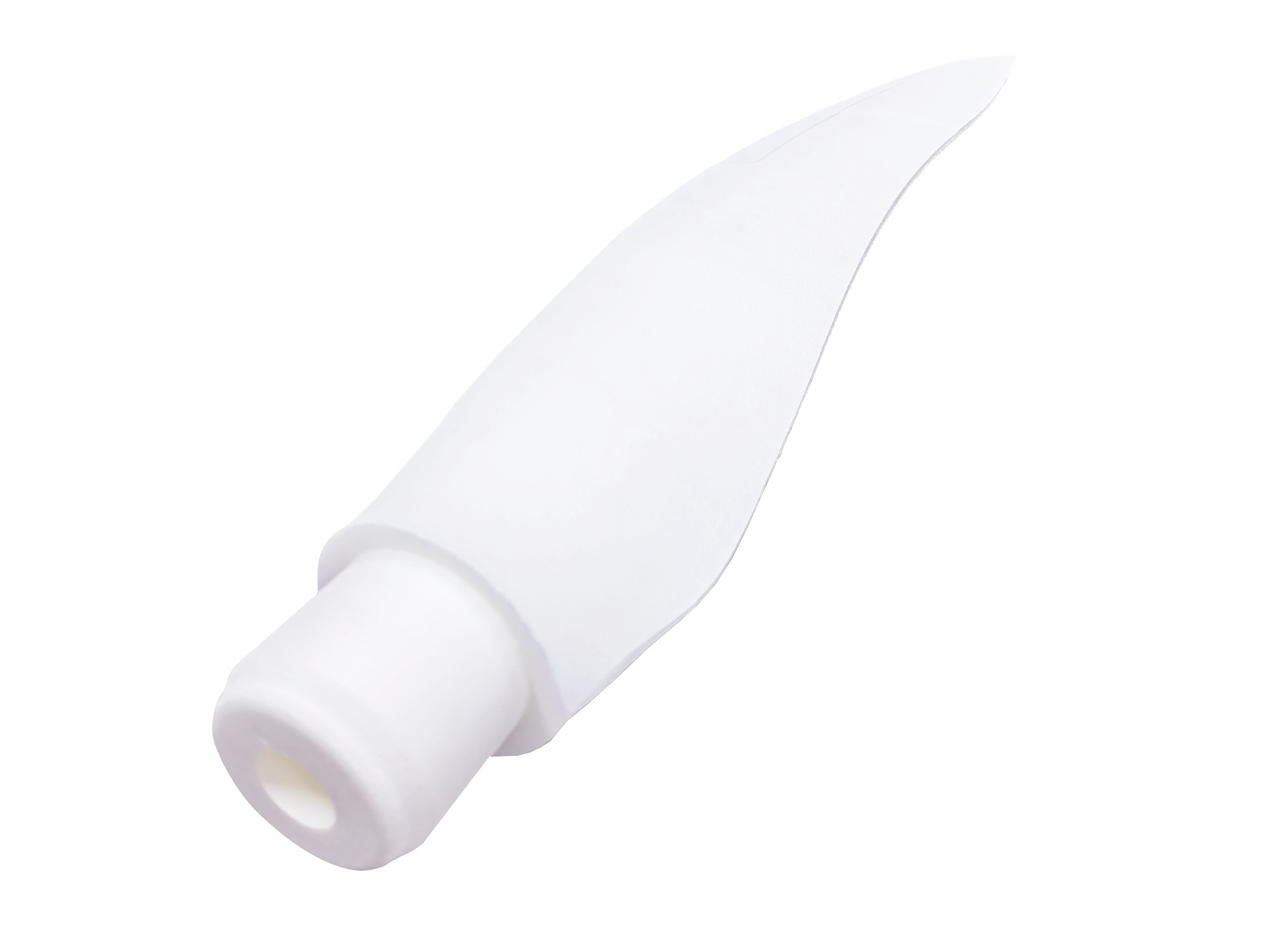
Define the engineering decision
The engineering decision is whether the STP model, supporting drawing, and project requirements define a sufficiently controlled basis for review and RFQ. Review can identify missing units, ambiguous coordinate systems, suppressed or broken features, thin sections, edge conditions, pockets, ramps, and areas where foam handling may affect the proposed process. Any assumption is logged for confirmation rather than silently converted into a machining requirement. The resulting decision record distinguishes design intent, manufacturing interpretation, inspection needs, and items requiring customer approval before release.
Translate the part into a controlled geometry brief
Geometry review compares the STP representation with the latest controlled drawing and related specifications. The check can cover overall form, section transitions, cutouts, recesses, radii, wall or web relationships, datum references, coordinate orientation, and revision consistency. PMI foam core features that appear visually complete in a neutral file may still lack definitional dimensions, surface ownership, or inspection references. A controlled markup or question list establishes which geometry is accepted, which is provisional, and which must be clarified before programming or quotation.
Connect the material question to the process route
After file intake, the team records the received STP file, drawing revision, material callout, and applicable instructions, then performs feature and manufacturability review. Clarifications are routed through a controlled question-and-response cycle, with revised files linked to their change history. Once the basis is accepted, the handoff can define setup orientation, workholding considerations, machining sequence assumptions, edge protection, and inspection checkpoints at an appropriate level. RFQ communication identifies exclusions and dependencies so procurement decisions reflect the approved data set rather than an untracked model.
Keep technical evidence within its stated boundary
Project evidence may include file manifests, revision status, review markups, clarification logs, programming or setup assumptions, inspection plans, measurement records, and final data-package references. These records demonstrate what was reviewed and what was validated for the defined project scope; they do not establish universal PMI foam properties, RF, chemical, structural, or environmental conclusions. Acceptance criteria remain tied to the customer’s controlled documentation and agreed verification method. Where evidence is unavailable or incomplete, the boundary is stated explicitly and the item remains open for project confirmation.
Related questions
Questions that make the next engineering conversation more useful.
01What should be included with a PMI foam core STP file for RFQ review?
Provide the latest STP file together with the controlled drawing, revision identifier, units, material designation, datum or coordinate intent, feature requirements, inspection expectations, and any handling constraints. If a requirement is not defined, it should be listed as an open clarification rather than inferred from the model.
02Can an STP file alone define acceptance for a machined PMI foam core?
Usually, a neutral STP file is a geometry exchange rather than a complete acceptance definition. Acceptance may require controlled dimensions, revision status, material and process instructions, datum references, and an agreed inspection method. CoreMatrix Materials can identify gaps and document the validation boundary before release.