
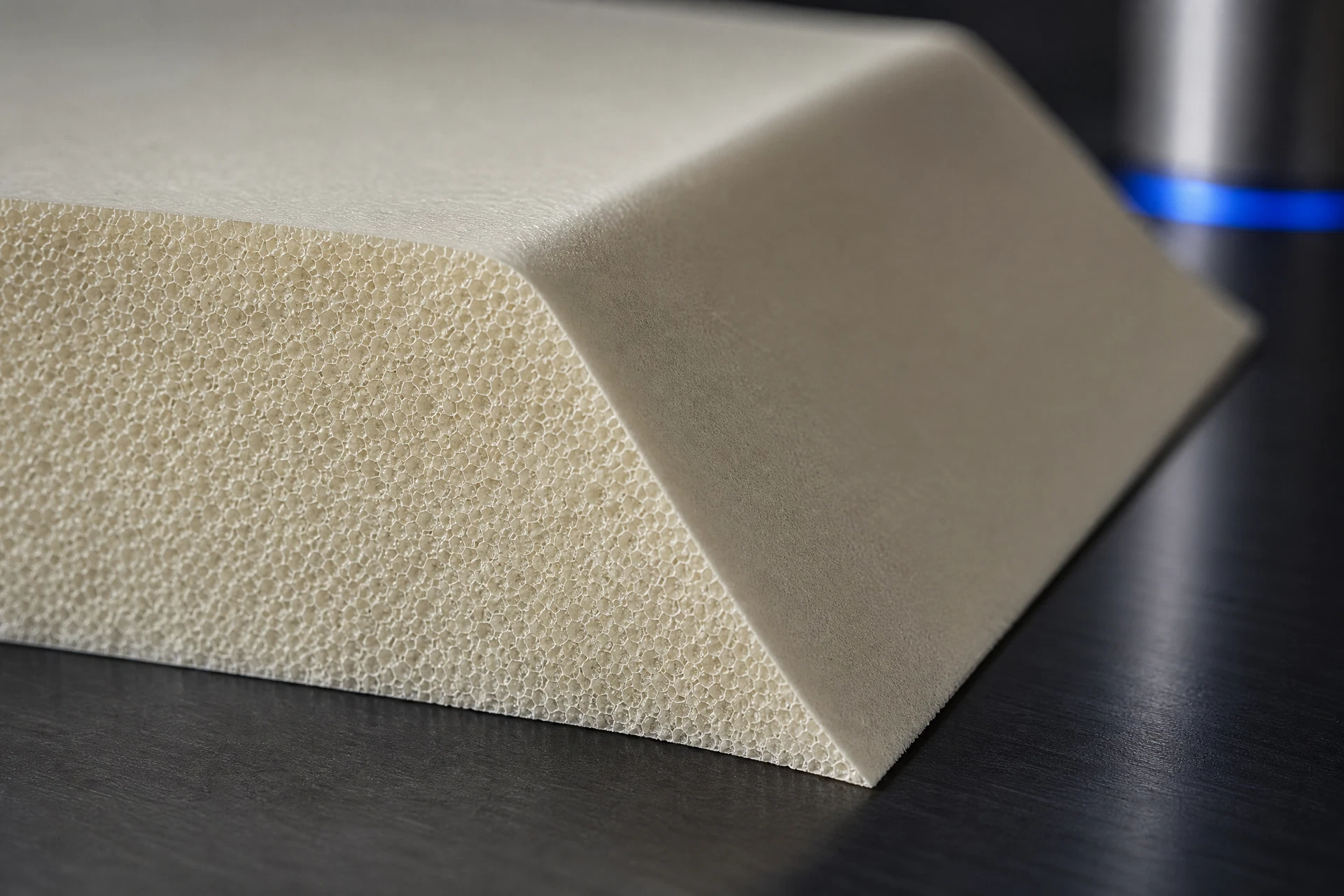
Specific engineering search intent
Drawing and geometry context
Process and handoff review
Controlled technical evidence
Engineering record
Component context
Core & geometry
Process & review
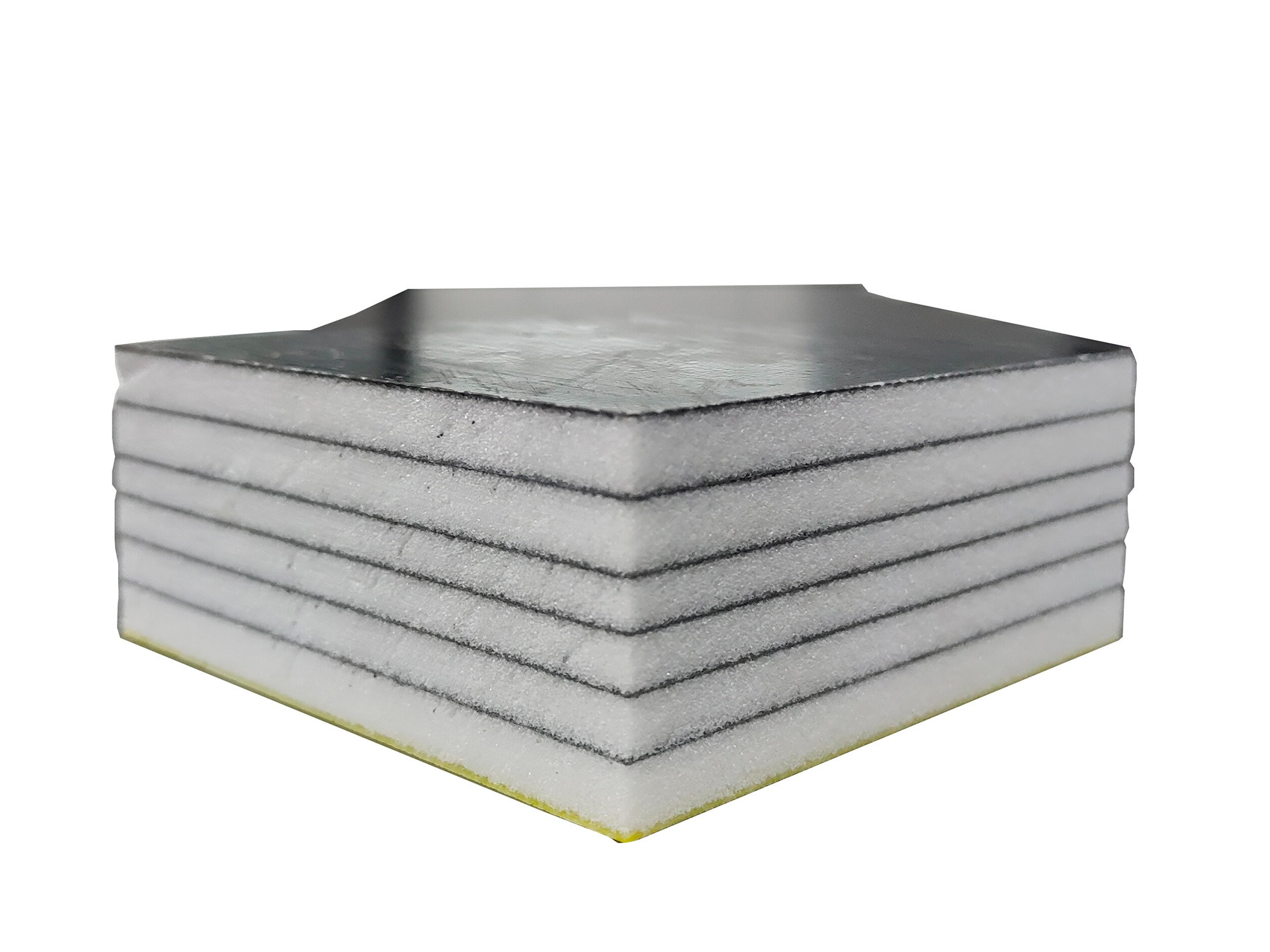
Define the engineering decision
The central decision is whether the DXF and accompanying documentation define a reviewable PMI foam core profile without unresolved ambiguity. The team checks unit interpretation, layer purpose, closed versus open contours, reference geometry, cutouts, edge conditions, and revision alignment. If clarification is needed, questions are separated from engineering assumptions and returned for disposition. Process considerations are then evaluated against the controlled geometry and material information provided. No fixed tolerance, machine capability, production rate, certification, chemical conclusion, or delivery commitment is inferred unless explicitly supported by the project record.
Translate the part into a controlled geometry brief
Geometry review focuses on the 2D profile as represented in the controlled DXF and related drawing files. Layers are assessed for manufacturing contours, construction lines, notes, centerlines, dimensions, and non-cut reference content. The review also checks units, scale, duplicate entities, gaps, overlaps, open paths, internal features, radii, and revision consistency. Where the DXF conflicts with a drawing or specification, the discrepancy is documented rather than silently corrected. Final geometry acceptance depends on an identified source of truth and written resolution of material, feature, and inspection requirements.
Connect the material question to the process route
After intake, the file set is logged by project and revision, then screened for readability, unit definition, layer intent, and geometry completeness. Engineering prepares a review record identifying questions, assumptions, and proposed controls for the PMI foam core profile. Once the source package is clarified, the approved geometry can support process planning, inspection checkpoints, and a structured RFQ handoff. Updated files are not treated as interchangeable: each revision is compared, traceable, and released only within the agreed document set and scope.
Keep technical evidence within its stated boundary
The evidence boundary is the supplied DXF, associated drawings, material information, revision history, notes, and any project-specific inspection or validation requirements. Review outputs may include a controlled geometry interpretation, clarification log, feature checklist, and RFQ assumptions register. These records show what was reviewed and what remains open; they do not establish unprovided material performance, RF or chemical behavior, guaranteed tolerances, equipment suitability, certification status, inventory, capacity, lead time, or customer-specific results. Validation is planned against approved requirements and available project evidence.
Related questions
Questions that make the next engineering conversation more useful.
01What should be included with a PMI foam core DXF for review?
Provide the DXF together with its revision, declared units, layer conventions, material designation, related drawings, notes, and applicable inspection requirements. If multiple files exist, identify the governing source and explain any known differences so geometry and RFQ assumptions can be controlled.
02Will CoreMatrix Materials assign tolerances or confirm PMI foam performance from the DXF?
No. A DXF review can identify geometry and documentation questions, but it does not create unprovided tolerances or confirm material, RF, chemical, or performance conclusions. Such items require applicable project specifications, supplier data, testing, or written engineering approval.