Specific engineering search intent
Drawing and geometry context
Process and handoff review
Controlled technical evidence
Engineering record
Component context
Core & geometry
Process & review
Define the engineering decision
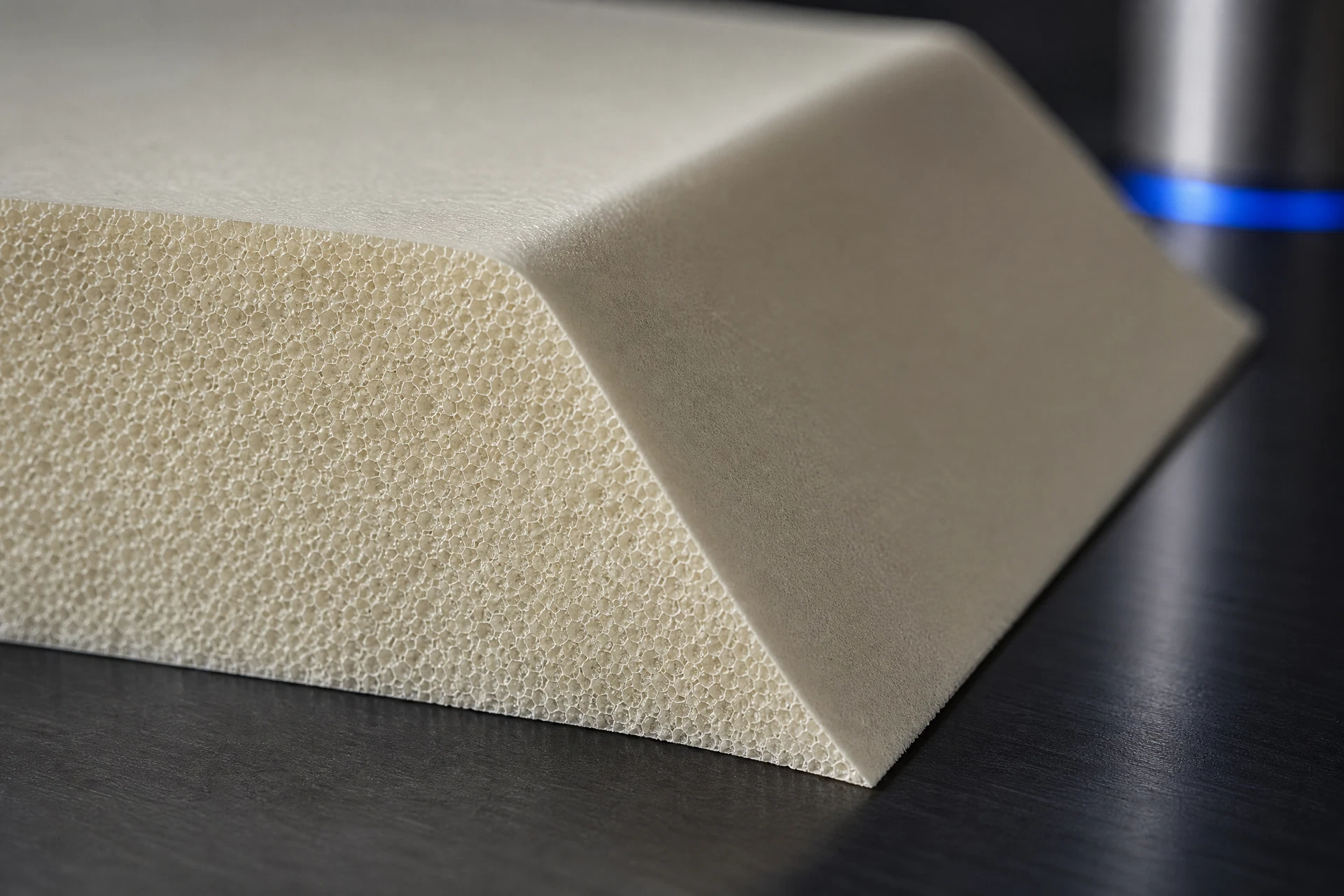
The engineering decision is whether the supplied foam-core geometry and documentation can be translated into a controlled machining and verification plan. Review considers feature depth, thin walls, pockets, contours, datum strategy, tool access, edge protection, support surfaces, and any areas vulnerable to deformation or handling damage. Recommendations are recorded against the applicable drawing and revision, with open questions separated from confirmed requirements. No fixed tolerance, machine capability, performance claim, or material conclusion is assumed without supporting project data.
Translate the part into a controlled geometry brief
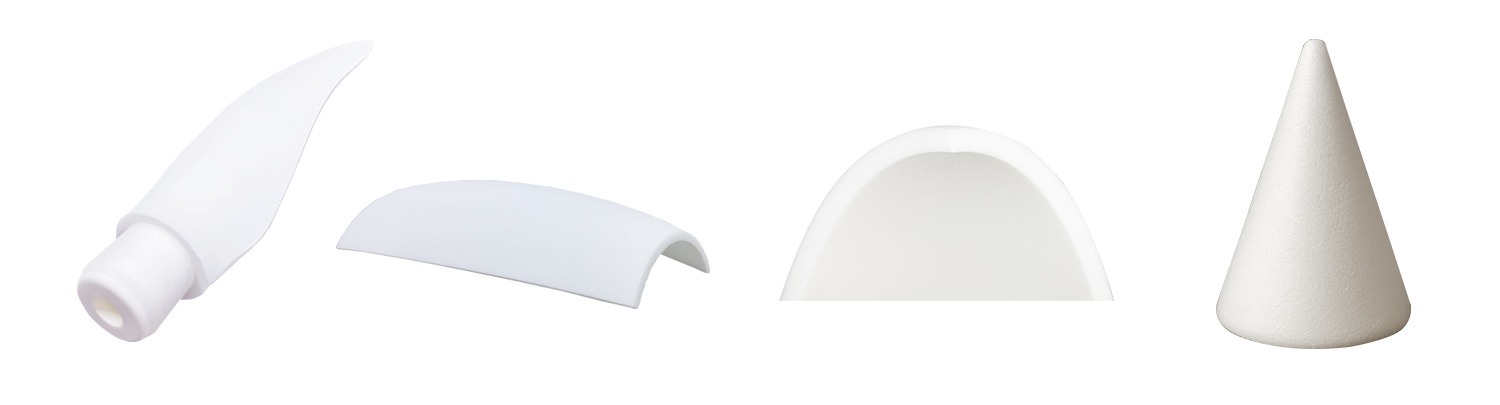
Geometry review compares the native CAD model, drawing views, section details, units, coordinate system, and revision identifiers for consistency. Particular attention is given to complex contours, stepped regions, cutouts, blended transitions, thin sections, closed or difficult-to-access features, and surfaces that require protection during machining or inspection. Critical characteristics should be identified by the customer through dimensions, datums, notes, or inspection instructions. Where geometry or callouts conflict, the RFQ remains subject to clarification before a manufacturing definition is released.
Connect the material question to the process route
After RFQ submission, CoreMatrix Materials organizes the available files and records the review basis, including filenames, revisions, material information, quantity context, and requested deliverables. DFM feedback can address sequencing, workholding, machining access, edge treatment, inspection approach, and drawing completeness without substituting for customer approval. The handoff proceeds through clarified requirements, an agreed manufacturing definition, and documented inspection expectations. Changes are controlled by revision so later communication can be traced to the correct CAD and drawing package.
Keep technical evidence within its stated boundary
Project evidence is limited to the information needed to support the defined machining and validation workflow: controlled CAD and drawings, revision history, clarified requirements, DFM observations, process notes, inspection records, and any customer-approved acceptance criteria. These records do not establish universal material performance, chemical compatibility, RF behavior, certification status, fixed tolerances, capacity, or delivery timing. If prototype or first-article validation is requested, its scope, samples, measurements, and acceptance basis should be agreed before results are interpreted.
Related questions
Questions that make the next engineering conversation more useful.
01What should I include in a custom CNC foam core machining RFQ?
Provide the current CAD model, drawing, revision identifier, material description, quantity context, intended inspection requirements, and any critical features or surfaces. Include applicable notes and acceptance criteria so DFM questions can be tied to a controlled definition rather than assumptions.
02How does DFM review support foam core CNC machining?
DFM review examines geometry, access, fixturing, support, sequencing, edge protection, and inspection planning against the submitted files. It identifies clarification points and practical risks for customer approval; it does not create unverified tolerances, material-performance claims, or guaranteed production outcomes.