
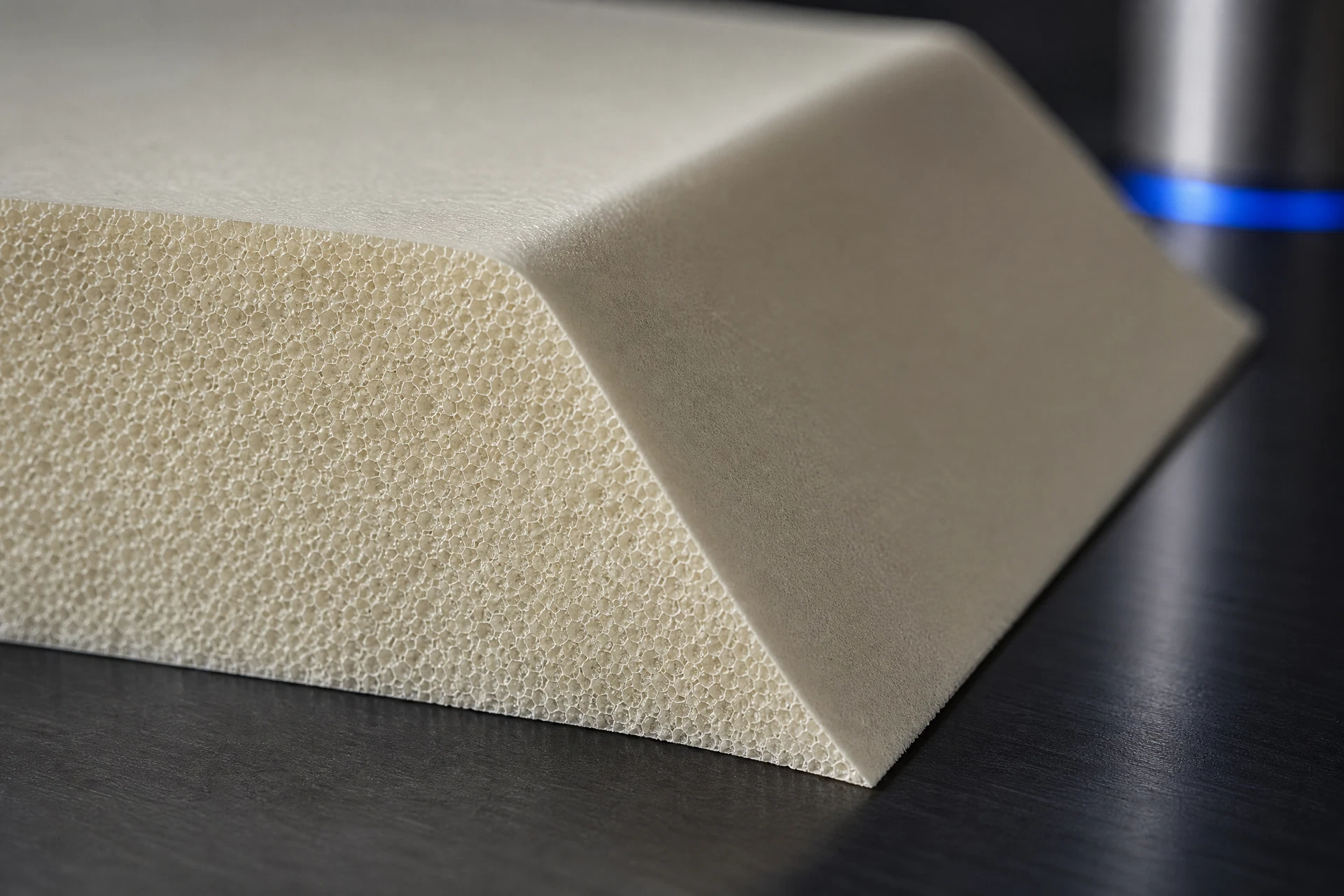
Specific engineering search intent
Drawing and geometry context
Process and handoff review
Controlled technical evidence
Engineering record
Component context
Core & geometry
Process & review

Define the engineering decision
The engineering decision centers on whether the supplied definition adequately controls the profile and its edge conditions for the intended use. Review may address open contours, internal corners, transitions, edge break language, local supports, datum references, and areas vulnerable to handling or machining effects. Any unresolved interpretation is recorded as a clarification rather than silently converted into a fixed tolerance or process promise. Purchasing receives a defined basis for comparison, including revision identity, assumptions, inspection requirements, and items requiring customer approval before release.
Translate the part into a controlled geometry brief
Profile-path review examines the relationship between the CAD boundary, drawing dimensions, section views, and feature callouts. Engineers check whether the model and drawing agree on contour ownership, corner intent, thickness references, cutouts, ramps, and edge treatments. PMI foam geometry can require explicit attention to unsupported regions, thin returns, non-normal access, and transitions between machined and unmachined surfaces. The review documents governing references and flags missing or conflicting information so downstream programming, inspection, and approval use the same geometric definition.
Connect the material question to the process route
After intake, CoreMatrix Materials establishes the applicable file set, confirms the current revision, and maps the requested profile to a controlled manufacturing and inspection review. Questions are consolidated before quote assumptions are finalized. If the project advances, programming inputs, setup references, process notes, inspection points, and sample or prototype requirements are coordinated against the approved definition. Handoff records preserve decision history and identify customer-supplied information, internal review outputs, and approval gates without implying a standard machine, capacity, delivery date, or certification.
Keep technical evidence within its stated boundary
Evidence is limited to the information generated or approved for the specific project. It may include revision-controlled CAD and drawings, clarification logs, profile review notes, inspection plans, marked-up references, dimensional records, photographs where useful, and prototype or first-article observations when requested. These records demonstrate what was reviewed and how acceptance was defined; they do not establish universal material behavior, fixed machining capability, RF or chemical performance, certification status, inventory, or delivery commitments. Final validation remains tied to the approved project requirements.
Related questions
Questions that make the next engineering conversation more useful.
01What does a PMI foam CNC profiling review examine?
The review examines controlled CAD and drawing alignment, profile paths, edge conditions, datums, access, transitions, and inspection intent. It records assumptions and clarification needs so programming, quotation, purchasing, and approval decisions reference the same released definition rather than an informal interpretation.
02What information should be included with an RFQ for CNC-profiled PMI foam?
Provide the current CAD and drawing revisions, material definition, intended quantity or stage, critical profile and edge requirements, datum or inspection references, and any prototype or validation expectations. CoreMatrix Materials can identify gaps, document assumptions, and separate confirmed requirements from items needing customer approval.