
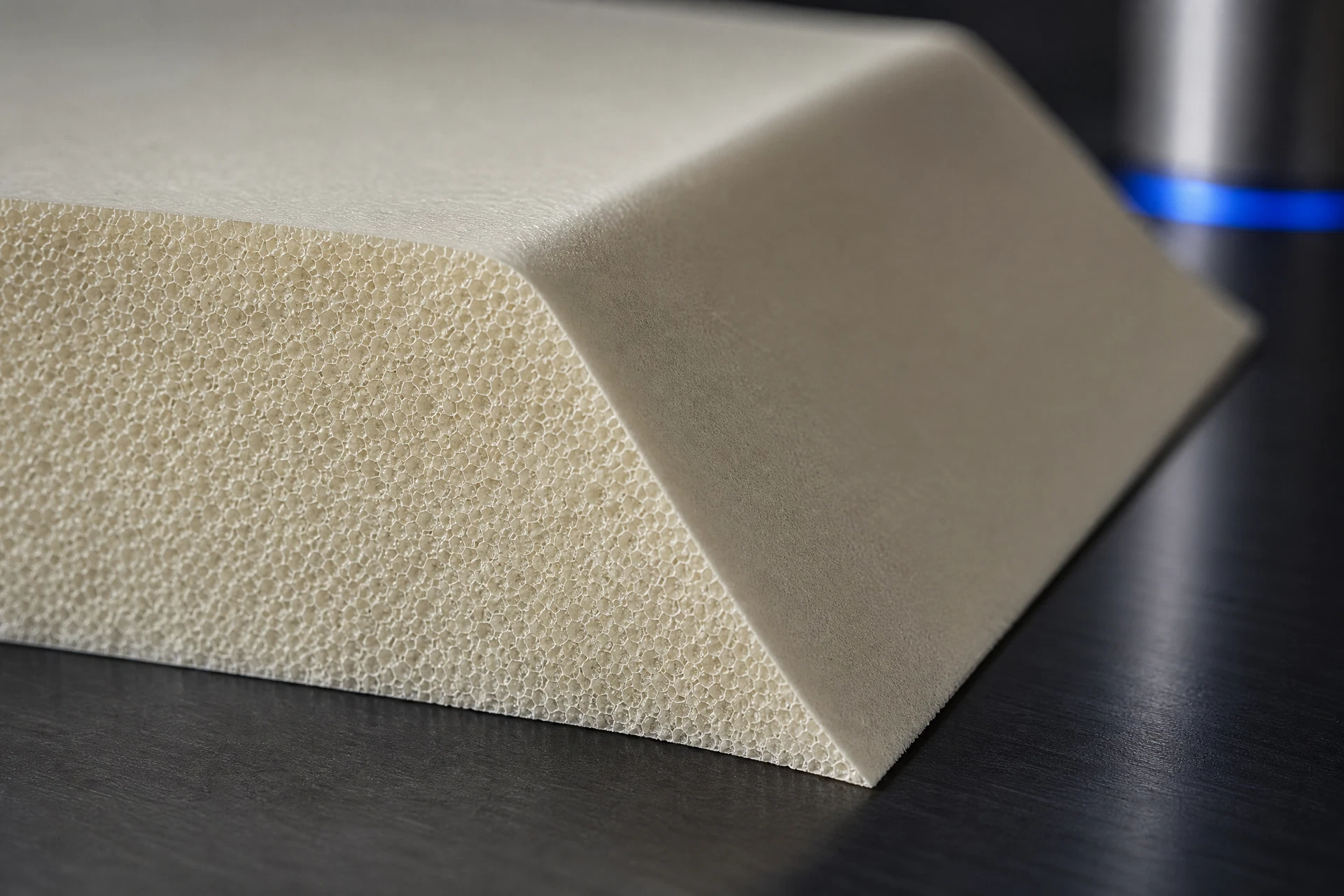
Specific engineering search intent
Drawing and geometry context
Process and handoff review
Controlled technical evidence
Engineering record
Component context
Core & geometry
Process & review
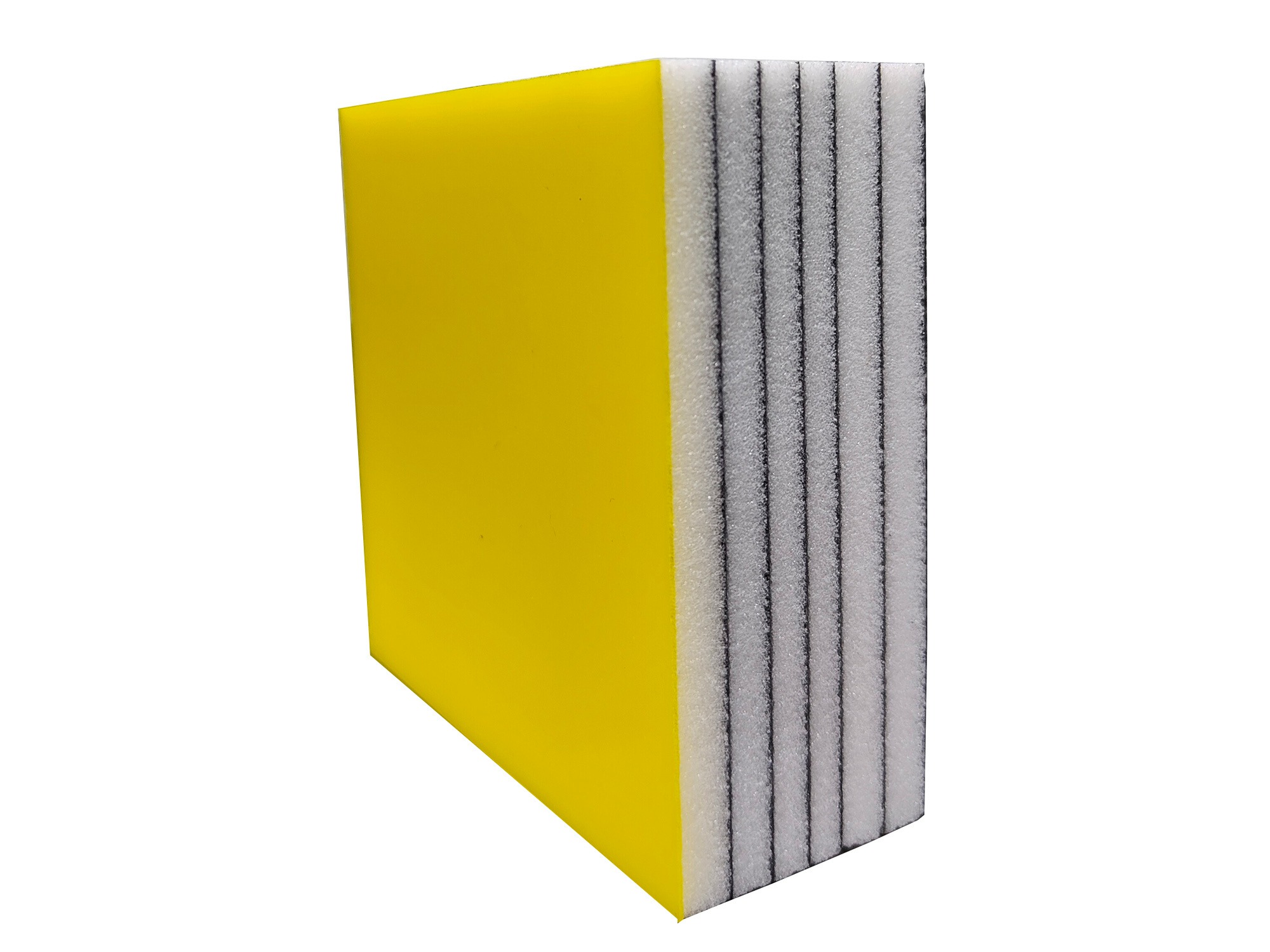
Define the engineering decision
The engineering decision is whether the supplied sandwich-core design can be translated into a controlled machining and inspection plan while preserving the intended facesheet interface. Review focuses on bonding lands, steps, recesses, edge conditions, local thickness transitions, datum references, and any features vulnerable to handling or machining distortion. Open questions are recorded against the drawing revision, material definition, and acceptance criteria. Any proposed process route remains subject to package review, manufacturability agreement, and project-specific verification rather than a generic capability claim.
Translate the part into a controlled geometry brief
Geometry review begins with the authoritative CAD model, drawing, revision identifier, and applicable interface definition. Analysts compare facesheet contact regions, core pockets, cutouts, ramps, corner radii, edge breaks, and access constraints against the stated datums and inspection intent. Particular attention is given to features that affect fit-up, adhesive preparation, masking, or downstream assembly without inferring unlisted bond, chemical, or environmental requirements. Marked-up questions distinguish design requirements from manufacturing suggestions, helping purchasing teams obtain comparable quotations against the same controlled geometry.
Connect the material question to the process route
After receiving the controlled package, CoreMatrix Materials establishes a review record linking files, revisions, material information, interface notes, and requested quantities or prototype status. The team identifies machining considerations, workholding and handling concerns, inspection access, and evidence needed for release. Clarifications are returned through the agreed document channel before scope is finalized. Handoff can include a quotation basis, revision-controlled manufacturing notes, inspection checkpoints, and a verification plan tailored to the project, without implying reserved capacity or a committed delivery schedule.
Keep technical evidence within its stated boundary
Evidence is limited to the documents and project data available for review: released CAD and drawings, revision history, material and process requirements supplied by the customer, inspection characteristics, and agreed verification records. Dimensional results, sample inspections, first-article activities, or prototype findings are applicable only when specifically planned and completed for the project. CoreMatrix Materials does not substitute generic tolerances, machine specifications, certifications, RF behavior, chemical compatibility, inventory status, or historical outcomes for missing evidence. Acceptance remains tied to the approved requirements and validation plan.
Related questions
Questions that make the next engineering conversation more useful.
01What should be included when requesting a CNC-machined sandwich core review?
Provide the controlled CAD model, drawing and revision, facesheet-interface definition, material and process notes, inspection expectations, quantity or prototype context, and any required verification records. CoreMatrix Materials uses these inputs to define questions and quotation scope without filling gaps with assumptions.
02How are facesheet-interface requirements validated before release?
Interface features are mapped to the current drawing and CAD revision, then linked to datums, inspection methods, and agreed acceptance criteria. Any unresolved fit-up, geometry, process, or evidence question is documented and closed through project review before manufacturing release or verification activity.